
Last updated October 15, 2026
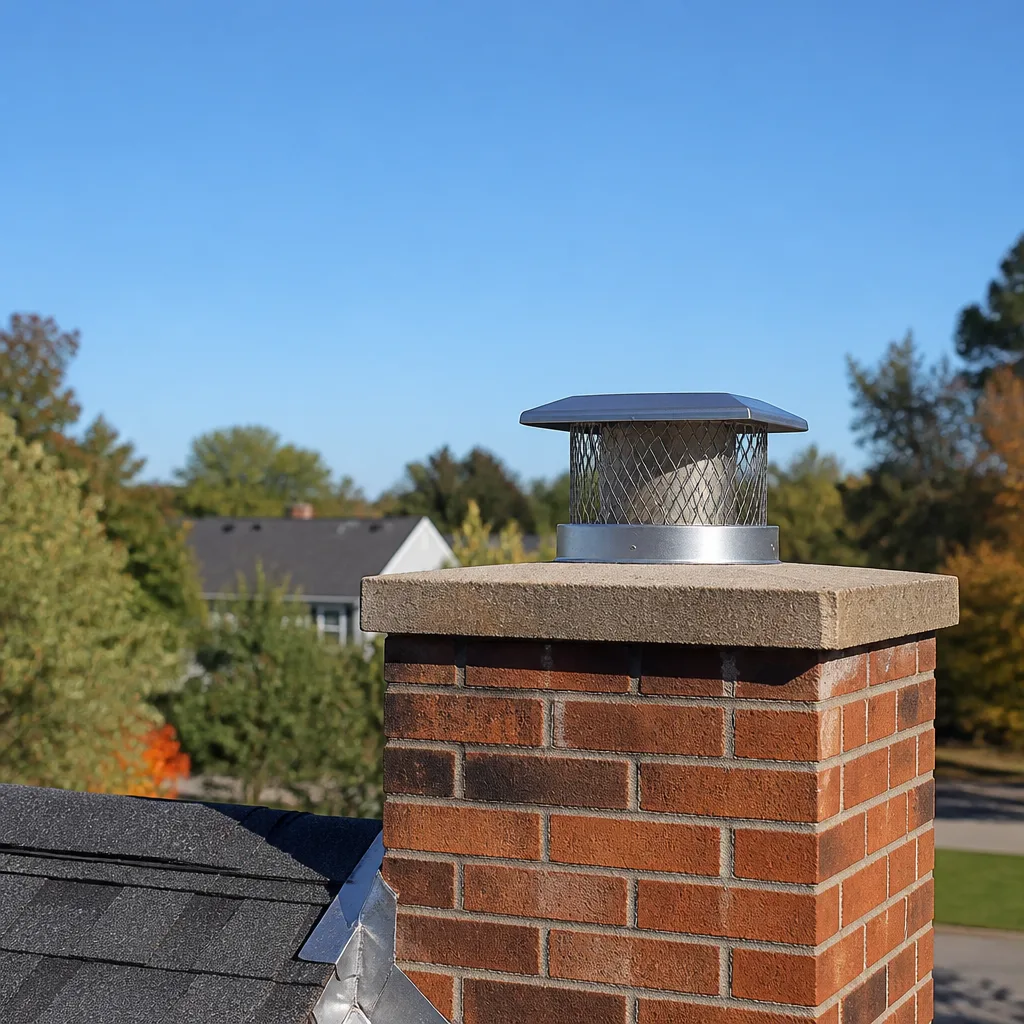 Sweep & inspection
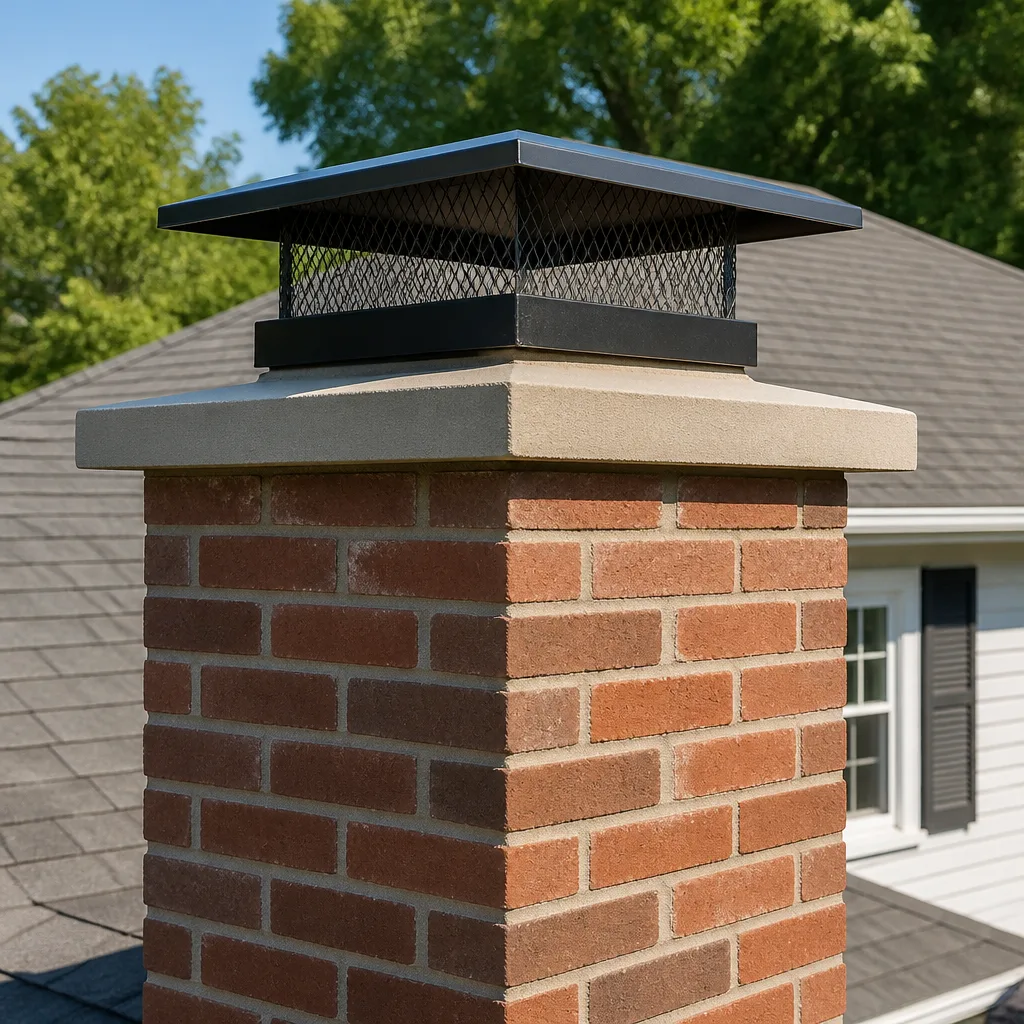 Caps & crowns
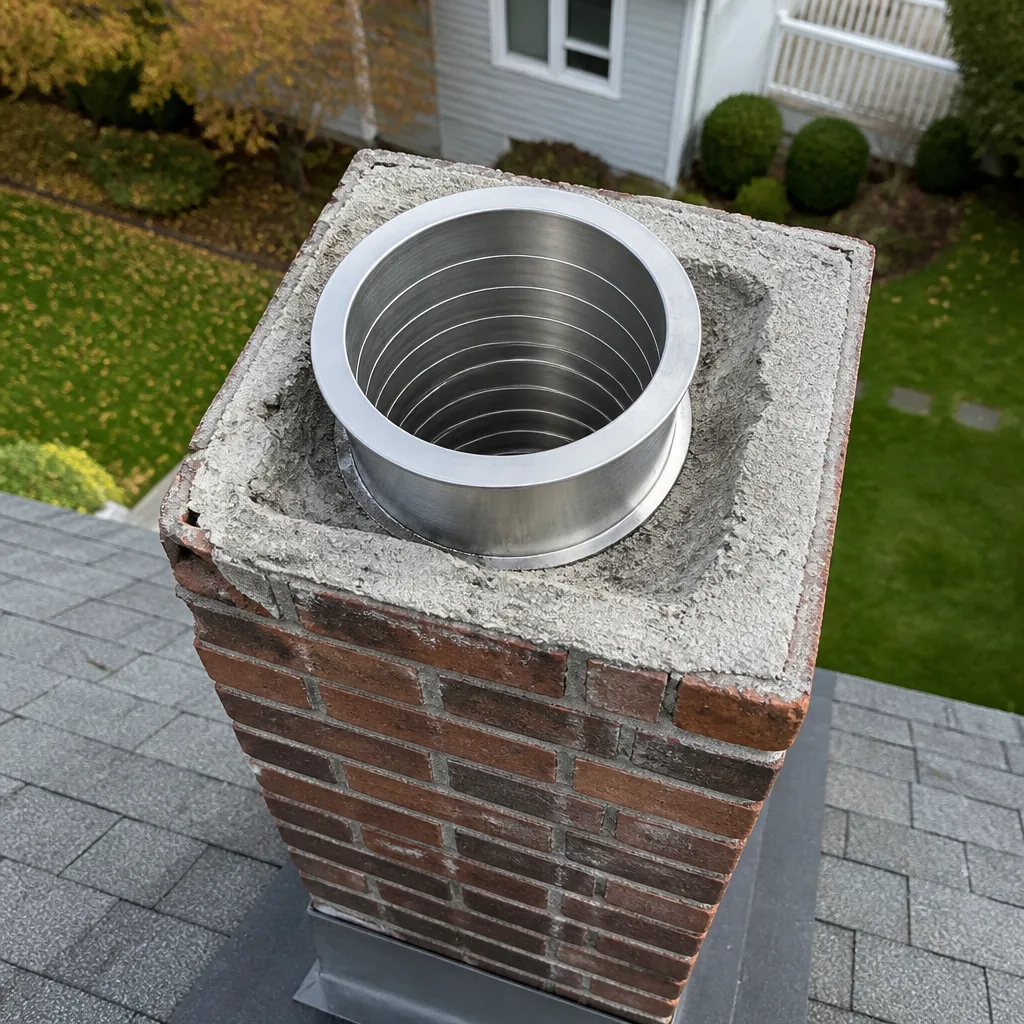 Flue relining
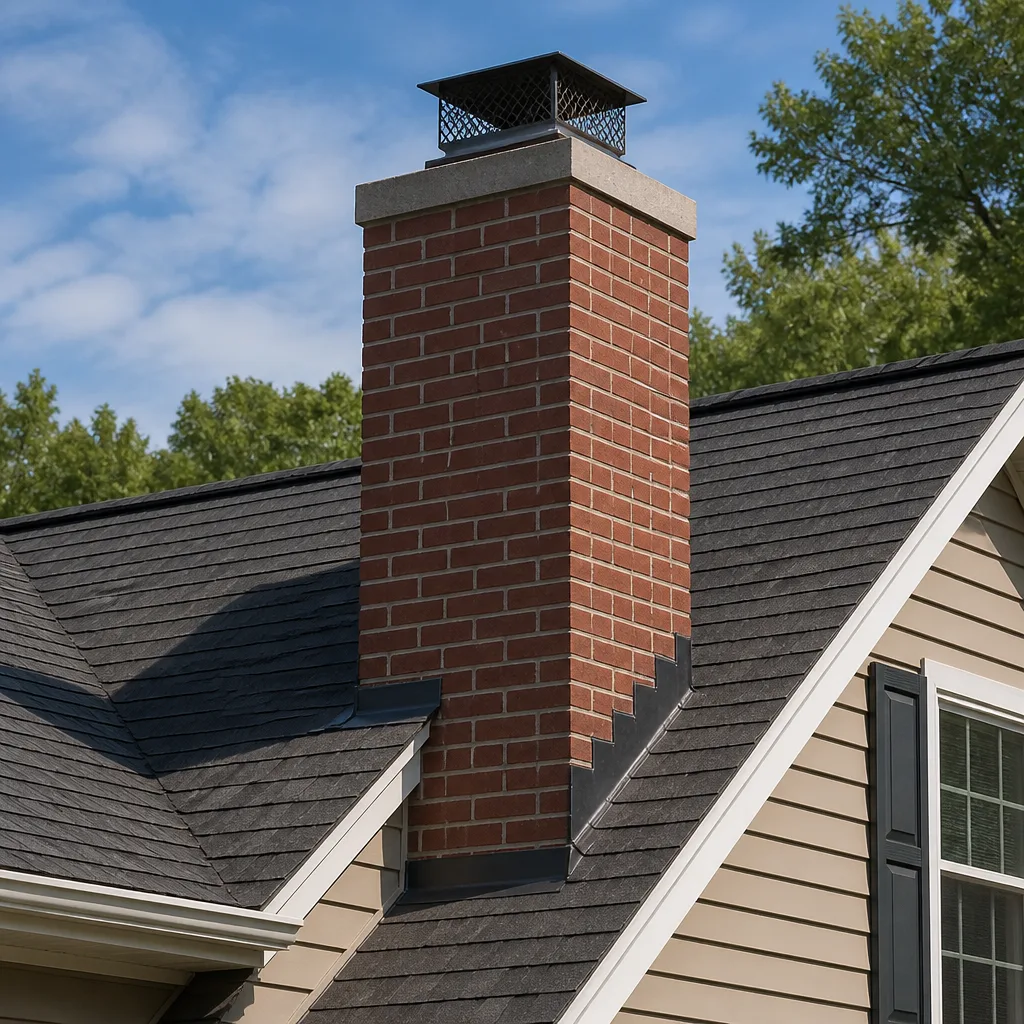 Masonry repair
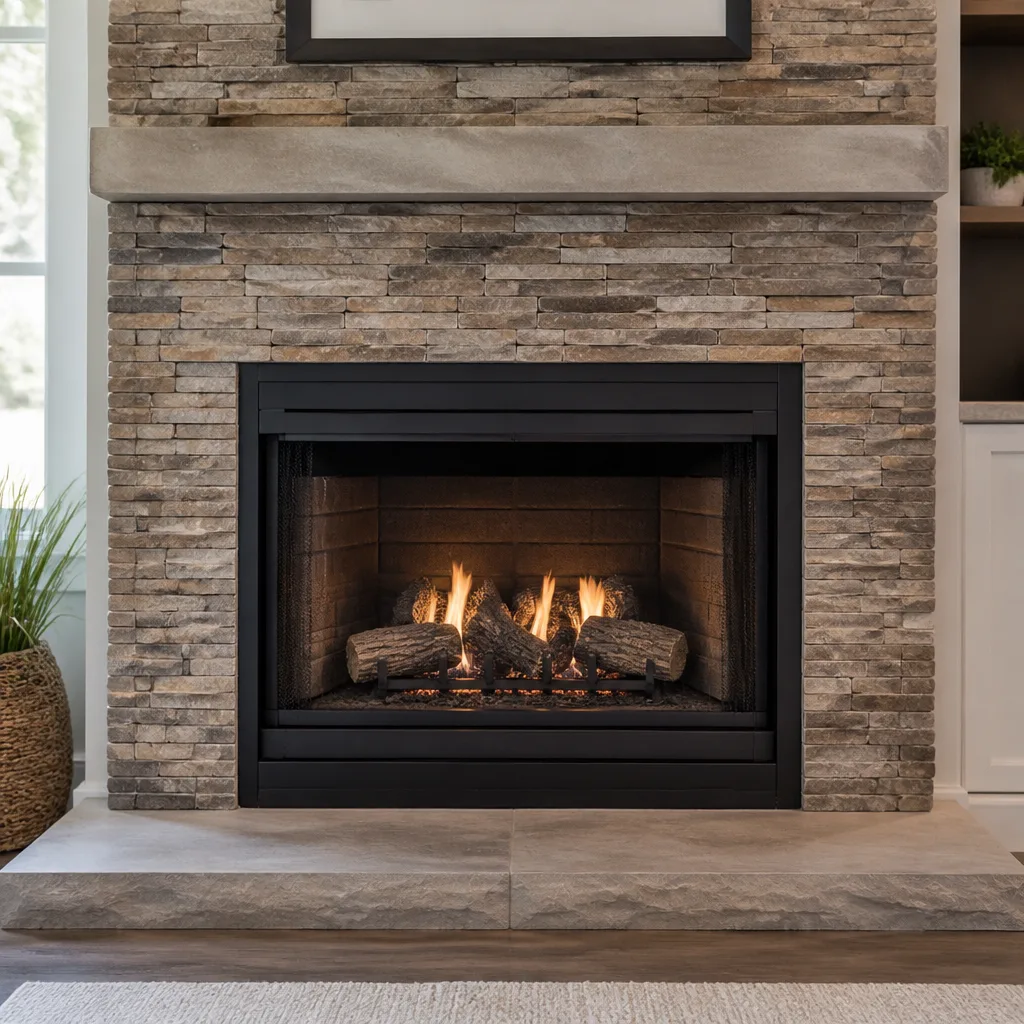 Gas fireplace service
Level 1 sweep and inspection to the NFPA 211 annual standard - flue, crown, cap, and flashing checked and photographed
Chimney sweep logs do not sweep chimneys. They loosen some creosote - which then falls where a brush and vacuum still have to collect it.
Chimney Cleaning Warning Signs: A Miami Homeowner’s Reference Guide
The white staining on the outside of your firebox isn’t decorative. It’s efflorescence, and it means water has been moving through your masonry long enough to carry dissolved salts to the surface. In Miami’s humidity, that process can be well underway within one wet season of a failed crown or cap seal. This guide covers the Miami-specific warning signs that show up months or years before a chimney becomes a fire hazard or a structural problem, so you can catch the cheap fix before it becomes an expensive rebuild. For a deeper dive, see our Complete Guide to Chimney Cleaning in Miami.
Styles & brands we work with
Quick Answer
The most reliable chimney cleaning warning signs in Miami are white mineral staining on masonry, a musty odor from the firebox during humid months, rust streaking on the damper, spalling brick faces inside the firebox, and evidence of animals nesting in the flue. Any one of these means water or biological material is inside the chimney system, and that condition does not resolve on its own. Homeowners who wait until smoke backs up into the living room have usually missed the cheaper intervention by two to three years. Our Chimney Sweep Maintenance Checklist for Miami Homeowners can help you stay ahead of these issues.
Table of Contents
- Efflorescence: The White Staining That Means Water Is Moving
- The Musty Odor That Isn’t ‘Just Miami Humidity’
- Spalling vs. Normal Mortar Aging: How to Tell the Difference
- Damper Warning Signs Specific to Miami’s Climate
- Animal Evidence: What Miami Species Leave Behind
- Five Visual Cues Inside the Firebox: Active Intrusion vs. Old Staining
- What It Costs to Ignore These Signs in Miami
- Common Mistakes to Avoid
- When to Call a Professional
- Frequently Asked Questions
- The Bottom Line
Efflorescence: The White Staining That Means Water Is Moving
Efflorescence is the technical term for the white, chalky, or crystalline deposit that appears on masonry surfaces. It forms when water penetrates brick, mortar, or concrete, dissolves naturally occurring salts within the material, and then evaporates at the surface, leaving the salt behind. In a chimney context, it means water has entered the masonry system and is being pushed out through evaporation. That water got in through a failed chimney crown (the concrete slab on top), a cracked cap, deteriorated mortar joints, or a damaged flashing where the chimney meets the roof.
Miami amplifies this problem because the humidity slows evaporation, which means water stays inside the masonry longer. A chimney in a dry climate might show efflorescence only after heavy rain. In Miami, the combination of afternoon thunderstorms, salt air, and sustained humidity means masonry can stay damp for weeks at a time. Salt air is a specific aggravator because it introduces additional chlorides that accelerate mortar deterioration once water gains entry, and those chlorides can also contribute to visible staining patterns that differ from inland climates.
What to look for:
- White or grayish powder on exterior brick faces, especially near the top of the chimney
- White staining inside the firebox on brick faces or the smoke shelf
- Crystal-like buildup that reappears after you brush it off
- Staining concentrated below the flue tile joints, suggesting water is traveling down the liner
Active efflorescence feels powdery or crystalline to the touch and brushes away easily. What remains after brushing is the real signal. If you clean it off and it returns within a few weeks, water is actively moving through the masonry right now. Old staining from a resolved issue typically looks faded, feels smooth, and does not reappear. The distinction matters because active efflorescence means the water entry point still exists and the damage is ongoing. A full Chimney Inspection in Miami identifies where the water is entering and what repair is actually required, documented with photos so you can verify the recommendation yourself.
The Musty Odor That Isn’t ‘Just Miami Humidity’
A fireplace that smells musty in the summer is not normal, even in Miami. The two most common sources are creosote that has absorbed moisture from humid air and biological growth inside the flue. Both are measurable, findable, and fixable, but neither goes away on its own.
Creosote is the black or brown residue that condenses on flue walls when wood burns. In its early stages it is sooty and flaky. In later stages it is tar-like and glazed. In Miami’s prolonged humidity, even stage-one creosote absorbs moisture and releases a smell that most homeowners describe as a mix of asphalt, campfire, and damp basement. That odor is strongest on humid days and often gets worse when the air conditioning pulls air down the chimney and into the living space. Most importantly, the presence of that odor means the collection rate on the flue walls is beyond what a dry climate would produce, because moisture accelerates creosote accumulation and makes it harder to remove.
The second source is biological growth: mold, mildew, or algae inside the flue. Chimneys in Miami are particularly vulnerable because relative humidity above 70% for extended periods creates conditions where organic material – leaves, twigs, dead insects, animal nesting debris – decomposes and supports fungal growth. The smell is distinct: more sour or fungal than smoky. This is a cleaning problem first and a repair problem second. The challenge with a biological growth situation is that the flue must be properly assessed to confirm whether growth has penetrated porous clay liner surfaces or is limited to surface debris. We have seen liners in older Miami homes where a superficial mold issue masked deeper deterioration, and the only way to know is to get eyes on the liner with a camera. A standard Chimney Sweep in Miami removes the biological material and the odor-causing creosote, and the technician can flag whether anything else is happening behind it.
The takeaway: a musty fireplace is evidence of material inside the chimney that should not be there. Treat it as a warning sign, not a seasonal annoyance.
Spalling vs. Normal Mortar Aging: How to Tell the Difference
Spalling is what happens when water trapped inside masonry expands and contracts with temperature changes, causing the surface of the brick or mortar to flake, crumble, or break away. The term comes from the way pieces spall off, like stone chipping under stress. In Miami, the cycle works like this: water enters through a crack, sits in the masonry, and when a rare cold front moves through in January, the moisture expands slightly as it cools. Over hundreds of cycles with occasional temperature fluctuations, the bond between brick and mortar weakens. Salt air accelerates the process by corroding the internal structure of older mortar mixes.
Normal mortar aging looks different from spalling. Here are the signs that distinguish them:
- Normal aging: hairline cracks in mortar joints (under 1/16 inch), uniform color fade, shallow erosion in mortar joints that appears even across the surface, and no brick face breakage.
- Active spalling: brick faces have flaked away leaving exposed inner material, you find small brick or mortar fragments at the base of the chimney, mortar joints crumble when touched with a screwdriver or key, and the surface of the brick looks lumpy or blistered rather than flat.
The practical distinction is that normal aging can wait, and spalling cannot. Spalling means the masonry is losing structural mass, and in a chimney that already handles wind loads, thermal stress, and the weight of the upper structure, that loss eventually compromises the whole assembly. We’ve seen chimneys in communities like Kendall and Coral Gables where spalling had progressed far enough that the crown was loose and moving, creating an entry point for rain during every summer thunderstorm. The fix at that stage is not a repoint job. It’s a rebuild of the damaged course, which costs considerably more than addressing the water entry point would have a year earlier.
If you’re finding brick fragments on the roof, on the ground near the chimney, or in the fireplace itself, that’s not cosmetic. Call for a professional assessment. A Chimney Repair in Miami technician can determine whether repointing, partial rebuild, or full flue relining (replacing the inner liner that channels smoke safely out of the house) is the appropriate fix, and the recommendation should be supported by photographic evidence you can examine yourself.
Damper Warning Signs Specific to Miami’s Climate
The damper is the metal plate inside the throat of the fireplace that opens to let smoke out when you burn and closes to keep conditioned air in and outdoor air out when you don’t. Miami homeowners rarely think about dampers because fireplaces get used maybe twenty nights a year. But the damper is one of the first places Miami’s climate shows up, and it’s a good canary in the coal mine for the rest of the system.
Rust streaking: If you see reddish-brown streaks running down from the damper plate, water is getting past the chimney cap and running down the flue. The rust itself may not be urgent, but the water path is. A damper that is rusting means water has been inside the flue long enough to oxidize the metal, which in Miami’s salt air happens faster than in drier climates. Salt air corrodes metal components at roughly twice the rate of non-coastal environments, which is why we recommend checking damper hardware annually in Miami, even with a chimney that gets minimal use.
Warped plate: A damper plate that no longer sits flush, resists opening, or hangs crooked has experienced thermal distortion or moisture-related distortion. A warped plate cannot seal the flue, which means the chimney is effectively an open hole between your living room and the Miami sky for eleven months of the year. That drives up cooling costs and pulls humid outdoor air directly into the house, which makes the air conditioner work harder and increases indoor humidity. We see this in roughly one in five Miami homes we inspect, and homeowners almost universally report their fireplace ‘has always been like that’ without realizing what it’s costing them.
The cold-air indicator: Stand near the fireplace on a hot, humid afternoon with the AC running. If you feel cool air moving past your hand held over the fireplace opening, the damper is not sealing. That air is chimney air being pulled down into the house by the negative pressure your AC system creates. It smells faintly of ash, rust, or whatever is decomposing in the flue. That moving air confirms the seal is gone. Fixing the damper might be a cleaning and adjustment, or the damper assembly may need replacement if the plate is warped or the frame is rusted through. Either way, the repair is relatively straightforward compared to what happens if water and humidity keep getting a free path into the flue.
Animal Evidence: What Miami Species Leave Behind
Miami chimneys attract a specific roster of animals, and the evidence each one leaves is distinct enough to identify the culprit and whether it’s still there.
Raccoons are the most damaging chimney residents in Miami-Dade. A female raccoon will climb down the flue and give birth on the smoke shelf in spring, and she will tear at the interior masonry and liner to build her nest. Evidence includes: large dark droppings (larger than a house cat’s), torn insulation or shredded material in the firebox, deep scratch marks on the flue walls, and vocal sounds (chittering, growling) at night. A raccoon that has taken up residence is not a cleaning problem. It’s an exclusion problem that has to be resolved before cleaning can happen safely.
Squirrels enter chimneys through damaged caps or gaps in the crown. Evidence includes: small oval droppings concentrated in one area, nests of twigs and leaves that look loosely assembled, and scratching sounds in the morning and evening rather than at night. Squirrels often enter and leave repeatedly, which means the damage accumulates over time.
Birds are the most common historical occupants in Miami chimneys, particularly chimney swifts and starlings. Evidence includes: fine twig nests stuck to the flue wall with saliva, large amounts of white droppings, feathers, and a musty-sweet smell that comes from accumulated guano. Bird nests are a significant fire hazard because dry twigs positioned directly above the firebox are essentially kindling waiting for an ember.
Active vs. historical infestation: Active infestation means droppings are soft, glossy, or fresh-looking; nesting material is green or recently collected; you hear movement; or you see animals coming and going at dusk or dawn. Historical means droppings are dry, cracked, and faded; nesting material is brown and brittle; and there are no sounds or visual activity. Historical evidence still needs addressing because the material blocks the flue and creates a fire hazard, but it’s a cleaning job, not an exclusion problem. Either way, the camera inspection tells you what’s actually inside, and in Miami we recommend a cap with a screen that keeps birds and squirrels out while still allowing proper draft. We’ve pulled everything from iguana carcasses to Cuban tree frog colonies out of Miami chimneys, but raccoons, squirrels, and chimney swifts are the big three.
Five Visual Cues Inside the Firebox: Active Intrusion vs. Old Staining
Not every stain in a firebox is an emergency. Some are historical, meaning the water problem was fixed years ago and the discoloration remains. Others mean water is entering the chimney system right now. Here are the five cues we check on every inspection in Miami, and how to read them from inside the firebox.
- White streaks that reappear after cleaning: Active efflorescence. Water is entering the chimney and pulling salts to the surface. The streak pattern often traces the path from the flue tile joint to the firebox floor. If you brush it off and it’s back in three weeks, the leak is ongoing.
- Dark, damp-looking brick in one concentrated area: If one section of the firebox wall looks darker even when the rest is dry, touch it with a bare hand. If it feels cooler and slightly damp, that’s active water wicking through the masonry at that spot. In Miami, this often points to a flashing failure where roof meets chimney, because wind-driven rain gets funneled down that path during storms.
- Light brown or yellow staining with smooth edges: This is typically old staining from a leak that has since been resolved. The edges fade gradually into the surrounding brick, and the surface texture matches the rest of the firebox. Document it during the next inspection, but it’s not a current problem.
- Flaking brick faces inside the firebox: When the firebrick surface begins to flake off in thin layers or you find small brick chips on the firebox floor, that’s the interior version of spalling. It means the brick has absorbed water, and in Miami the cycle of humid air followed by the heat of even occasional burns causes the surface to delaminate. This is active deterioration, not old staining.
- Rust drips from the damper area or throat: Already covered in the damper section, but inside the firebox the cue is rust-colored drip lines running down the back wall. They indicate water entering from above and running down the inside of the flue. In a home near the coast or along the bay, this can be exacerbated by salt-laden air accelerating corrosion of the damper frame, and what starts as a small drip can turn into a damper replacement.
Here’s the simple decision rule for Miami homeowners: if the stain is dry, faded, and unchanged between viewings, it’s historical. If it’s damp, reappearing, or flaking, it’s active. We apply that rule on every inspection because the appropriate next step depends entirely on which category you’re dealing with. An active water intrusion situation calls for repair documented with photos. A historical stain just gets noted so you have a baseline for comparison next year.
What It Costs to Ignore These Signs in Miami
Chimney problems do not self-correct, and in Miami’s climate, small water entry points become large ones quickly. The cost curve is not linear. It jumps at predictable points, and understanding those jumps is how you make a rational decision about when to act.
A standard chimney sweep in Miami typically runs $180 to $300 depending on flue size, accessibility, and the amount of creosote or debris present. That’s the baseline maintenance cost, and it’s what most homeowners pay when they catch issues early and keep the flue clear. A chimney inspection with camera typically runs $150 to $350 in the Miami market, and it’s the step where the technician identifies what’s actually happening and documents it. Those two numbers are the cheap interventions.
The cost curve jumps when neglect turns into repair:
- Damper replacement: $300 to $800 installed, depending on style and flue dimensions. Higher if rust has damaged the frame and requires masonry work.
- Chimney crown repair or reseal: $800 to $2,500 depending on the extent of cracking and whether the old crown must be removed and repoured.
- Flashing replacement: $600 to $1,800 depending on roof accessibility, number of flashing pieces, and whether roof tiles or shingles must be removed and reinstalled.
- Repointing (tuckpointing) of deteriorated mortar joints: $1,200 to $3,500 depending on access and the area of the chimney involved.
- Partial chimney rebuild (top courses): $3,000 to $8,000 in Miami, where skilled masonry labor is in shorter supply than in less densely developed Florida markets.
- Flue relining with a product like HeatShield or a rigid system from Olympia Chimney: $2,500 to $6,500 depending on lineal feet and whether the existing liner must be removed.
What Miami homeowners should know about these numbers is that they often prompt a second opinion, because the homeowner cannot see inside the flue and has no way to verify the recommendation. We believe that’s a fair reaction. That is why we put every finding in writing with camera documentation. If a technician tells you the flue liner needs replacement, ask to see the video or the stills. Ask for the measurement. Ask where the crack is. If the answer is vague, get a second opinion. A legitimate Flint Chimney Co Miami home inspection will show you exactly what we’re seeing and explain why the repair scope is what it is.
The biggest cost jump in Miami is not the masonry. It’s the liner. Once a clay liner has cracked enough that heat or gas can transfer to surrounding combustible material, the chimney is no longer safe to use, and the repair is not optional if you plan to keep burning. In our experience, homes within five miles of Biscayne Bay show accelerated liner deterioration because the salt air works on the mortar joints between flue tile sections, and those joints are the first failure point. It’s a Miami-specific condition that inspection reports from inland technicians often miss.
Common Mistakes to Avoid
- Chalking off a musty odor to ‘Miami humidity’ without checking. Humidity amplifies a smell that already exists. It doesn’t create a chimney smell in a clean, dry flue. If you smell it, something is in there.
- Painting over efflorescence. Paint traps moisture inside the masonry and accelerates spalling from the inside. The white stain is a symptom. You have to fix the water entry, not cover the evidence.
- Ignoring a damper that won’t seal because ‘we don’t use the fireplace.’ That unsealed damper is letting humid Miami air into your home all year, raising your cooling costs and encouraging rust and biological growth inside the flue. The damage compounds even when you never light a fire.
- Assuming a chimney cap is optional. In Miami, a cap with a proper screen is the difference between a clean flue and a raccoon nursery. Many older homes around Coral Gables and Coconut Grove have open flues because caps rusted out decades ago and were never replaced.
- Waiting for smoke backup before calling. Smoke backup means the flue is already blocked or severely restricted. By that point, the condition has been building for months or years. The earlier warnings in this guide are cheaper to address and less disruptive to your home.
- Accepting a diagnosis without seeing the proof. Any chimney company that tells you the liner is cracked or the flue needs major work should be prepared to show you the camera footage. You cannot make a $4,000 decision on an assertion. At Flint Chimney Co Miami, the photos are part of the price, not an upsell.
- Hiring on price alone for masonry work. Miami masonry crews vary widely in experience with chimney-specific work. A general mason who mostly does patios and walkways may not understand draft dynamics, clearance requirements, or the function of a wash crown. The cheapest bid on a crown rebuild is frequently the most expensive over two years.
When to Call a Professional
Call when you see active efflorescence that reappears after cleaning, when a musty odor persists through the summer, when brick faces are flaking inside the firebox, when the damper shows rust streaking or fails to seal, or when animal evidence indicates a current occupant. These conditions all require tools, training, and documentation beyond what a homeowner can reasonably accomplish safely. A chimney inspection with camera is the diagnostic step that answers the question definitively. Flint Chimney Co Miami offers free estimates in Miami, and we put the price in writing before any work starts. Call (786) 305-7861 to schedule an inspection.
Frequently Asked Questions
A standard chimney sweep in Miami typically runs $180 to $300 depending on flue size, accessibility, and how much creosote or debris has accumulated. If the chimney hasn’t been cleaned in years or has animal nesting material, the price can run higher because of the extra labor. Call (786) 305-7861 for an exact quote, the estimate is free and the price is in writing before any work begins.
Maybe, maybe not, but you should insist on seeing the camera footage that supports the recommendation. A cracked clay liner is a legitimate safety issue, and in Miami, salt air and humidity accelerate the deterioration of mortar joints between flue tile sections. HeatShield and other relining products provide a documented solution. What we tell Miami homeowners is simple: if the camera shows a crack that runs through the flue wall, the liner needs addressing. If the technician can’t show you the crack, you are within your rights to get a second opinion.
The National Fire Protection Association recommends an annual inspection and a sweep when creosote accumulation reaches 1/8 inch or more. In Miami, where fireplaces see light seasonal use, most homes do well with a professional cleaning every one to two years, provided the chimney is properly capped and no water intrusion is present. Homes that burn frequently or burn unseasoned wood should be cleaned annually. We recommend scheduling the inspection before the winter season so any needed repairs are done before you want to burn.
Creosote builds up on the flue walls and becomes a fuel source for chimney fires. Even small chimney fires can crack clay liners, damage masonry, and send embers onto the roof. In Miami’s climate, skipping the cleaning also means you’re skipping the inspection that would catch water intrusion, animal nesting, and damper deterioration. The flue becomes a pathway for humid air into the house, biological material decomposes inside the chimney, and the cost to correct all of it climbs well past the cost of the sweep you skipped. If you’re not sure when your chimney was last cleaned, call (786) 305-7861 and have it inspected before the season starts.
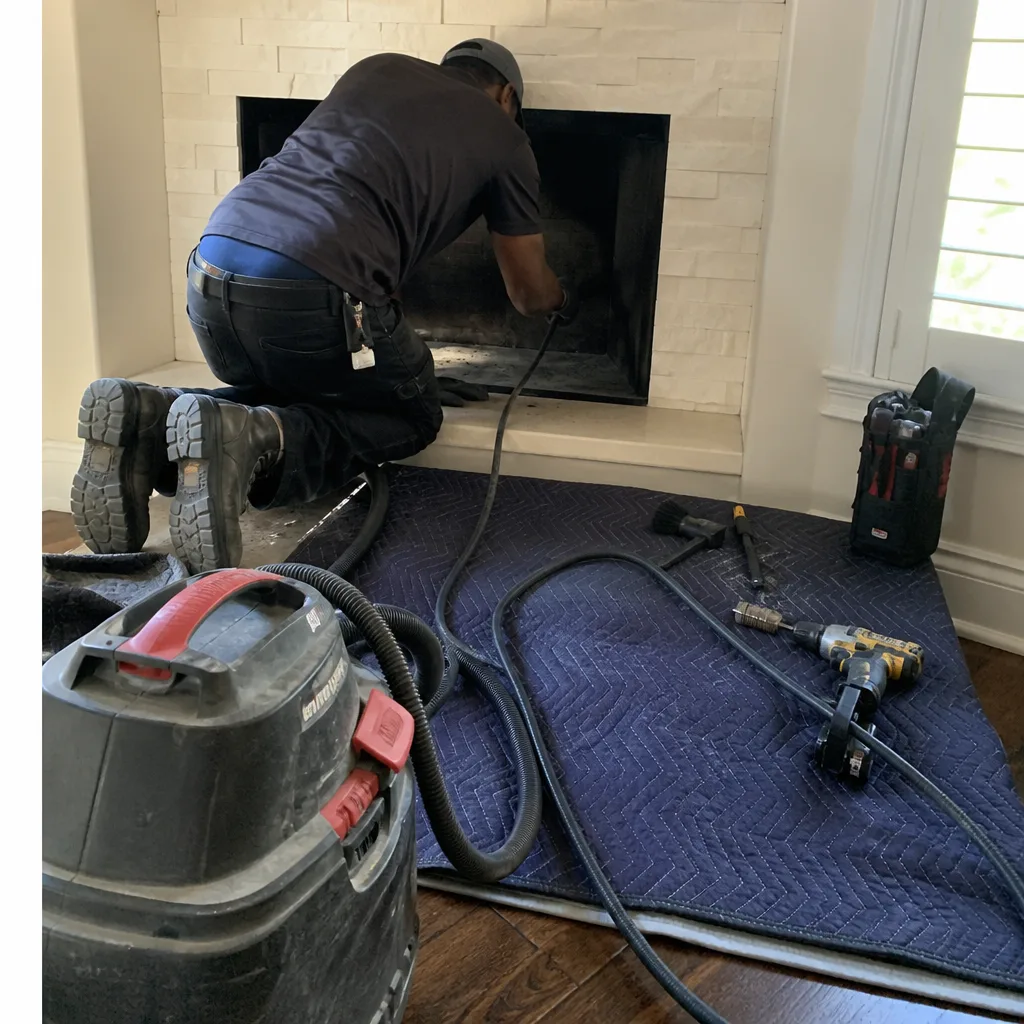
Most homeowners cannot do a complete job safely without the right brushes, rods, and containment equipment. Creosote removal from flue walls requires matching the brush to the flue dimensions and working with proper protection. Glazed creosote and animal nesting material present exposure and fire hazards best handled by a professional with proper disposal methods. A DIY sweep also misses the inspection component, which is where the real value lies in Miami.
Warm, humid air pulls moisture into the flue, and that moisture activates creosote and biological material that has collected on the flue walls. The smell rises as the material absorbs water and releases odor compounds. In an uncapped or undampered chimney, the AC system pulls that air directly into the living space on hot days. The fix is a professional cleaning to remove the source material, followed by correcting any cap or damper issues so the flue stays dry.
The Bottom Line
Miami chimney problems announce themselves in stages, and the earliest stages are cheap to fix. Efflorescence, musty odors, rusting dampers, light spalling, and animal evidence are all visible before smoke backs up or a chimney fire happens. The annual inspection with camera documentation is the single best tool for catching these issues early and verifying any repair recommendation. You can find more guides & resources on our blog to help maintain your chimney year-round. What we try to do at Flint Chimney Co Miami, as part of the Garrison Partners family founded in 2002, is put every finding in writing with the price before work starts, so you can make the decision with the facts in hand. The chimney is a system, and in Miami’s climate, the system needs eyes on it at least once a year.
Written by Hank Delano, Owner at Flint Chimney Co Miami, serving Miami since 2002.
See the difference
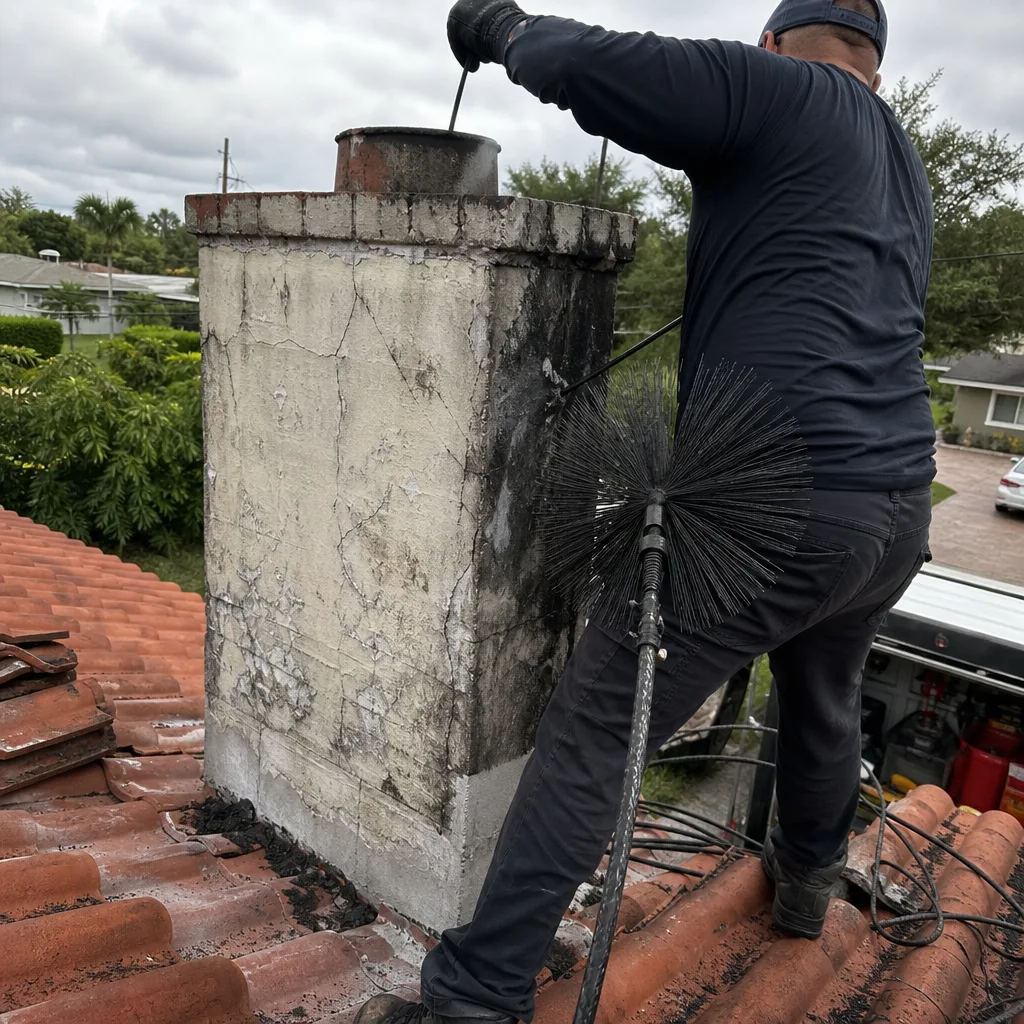 Before
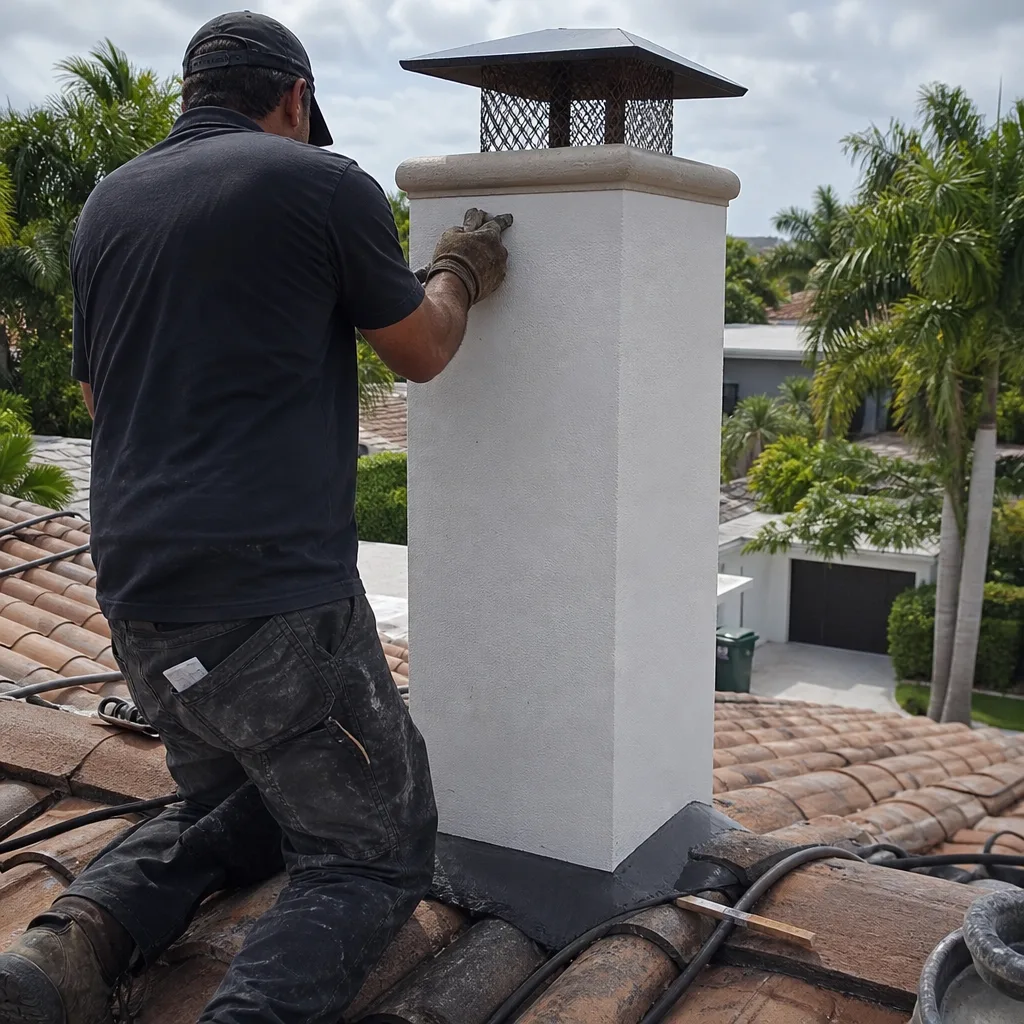 After
After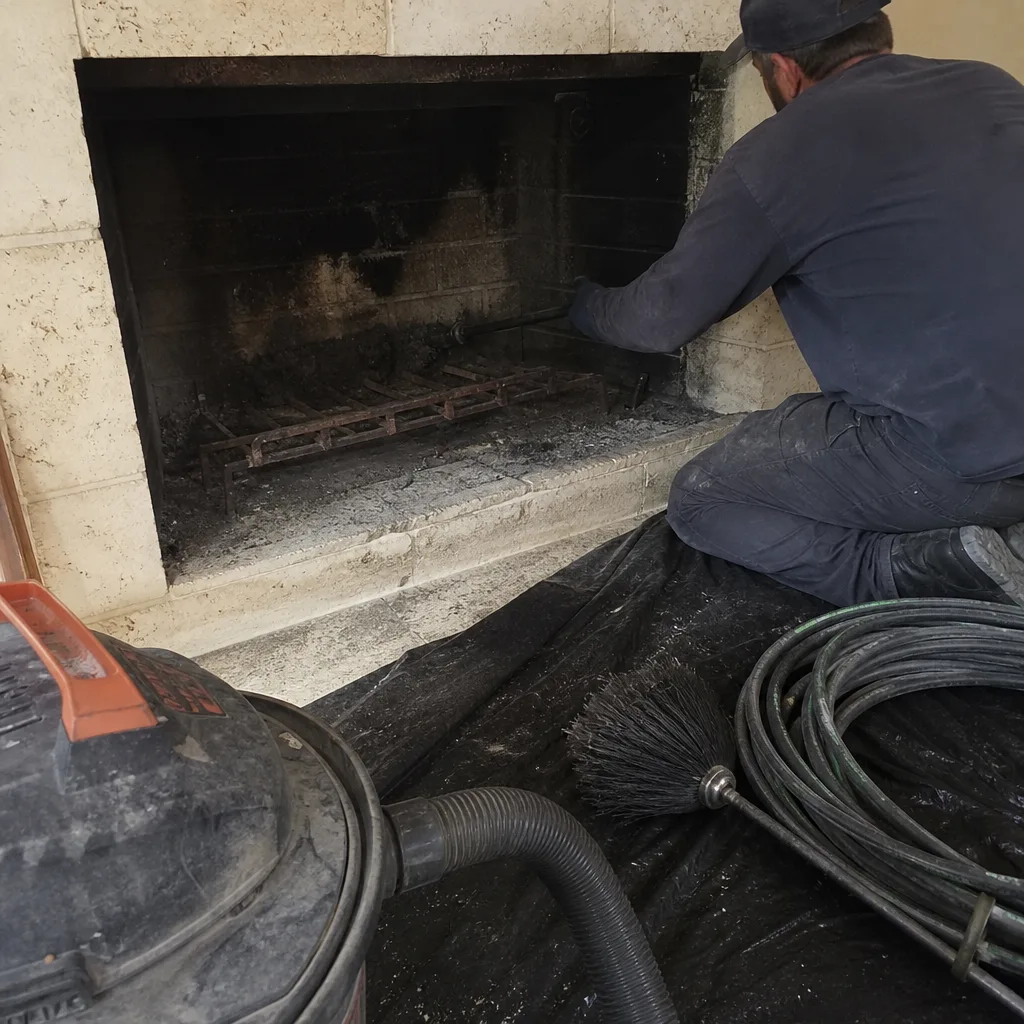 Before
 After
After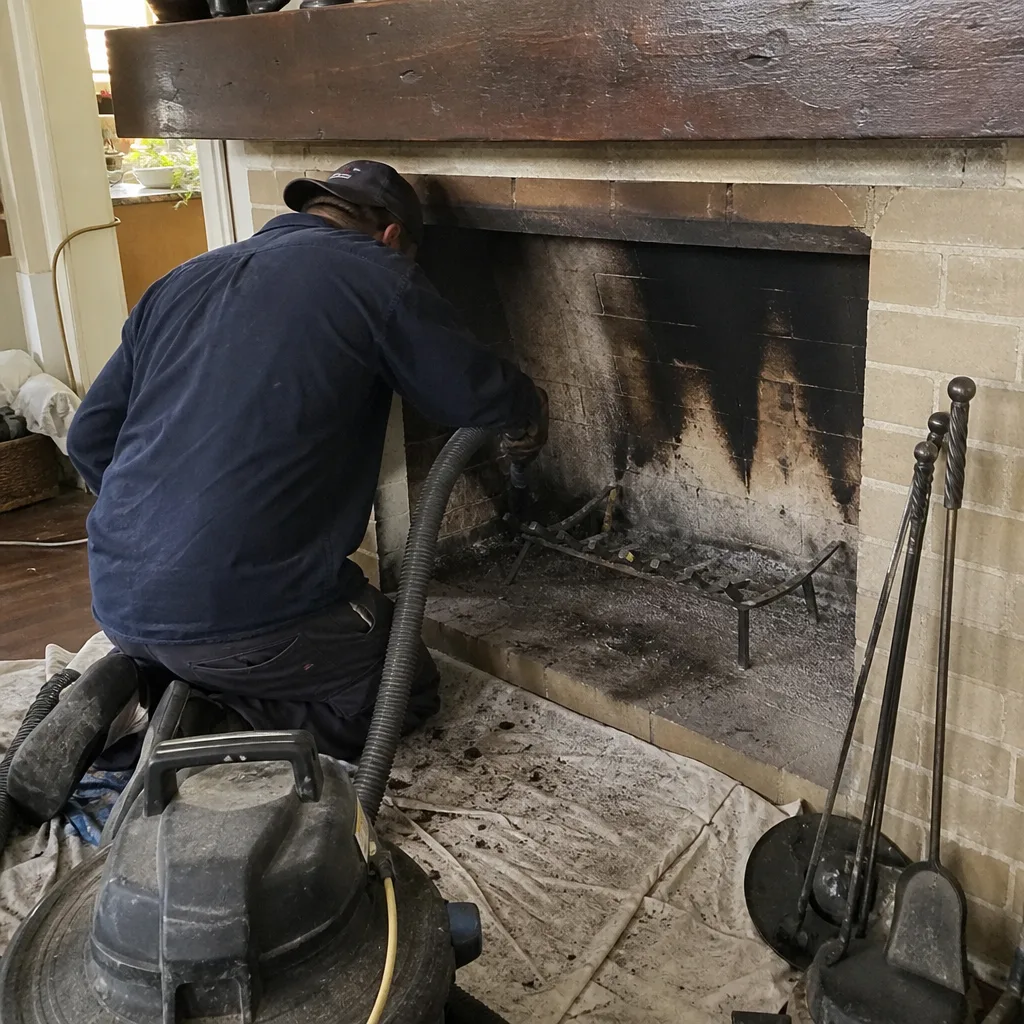 Before
 After
After