
Last updated October 15, 2026
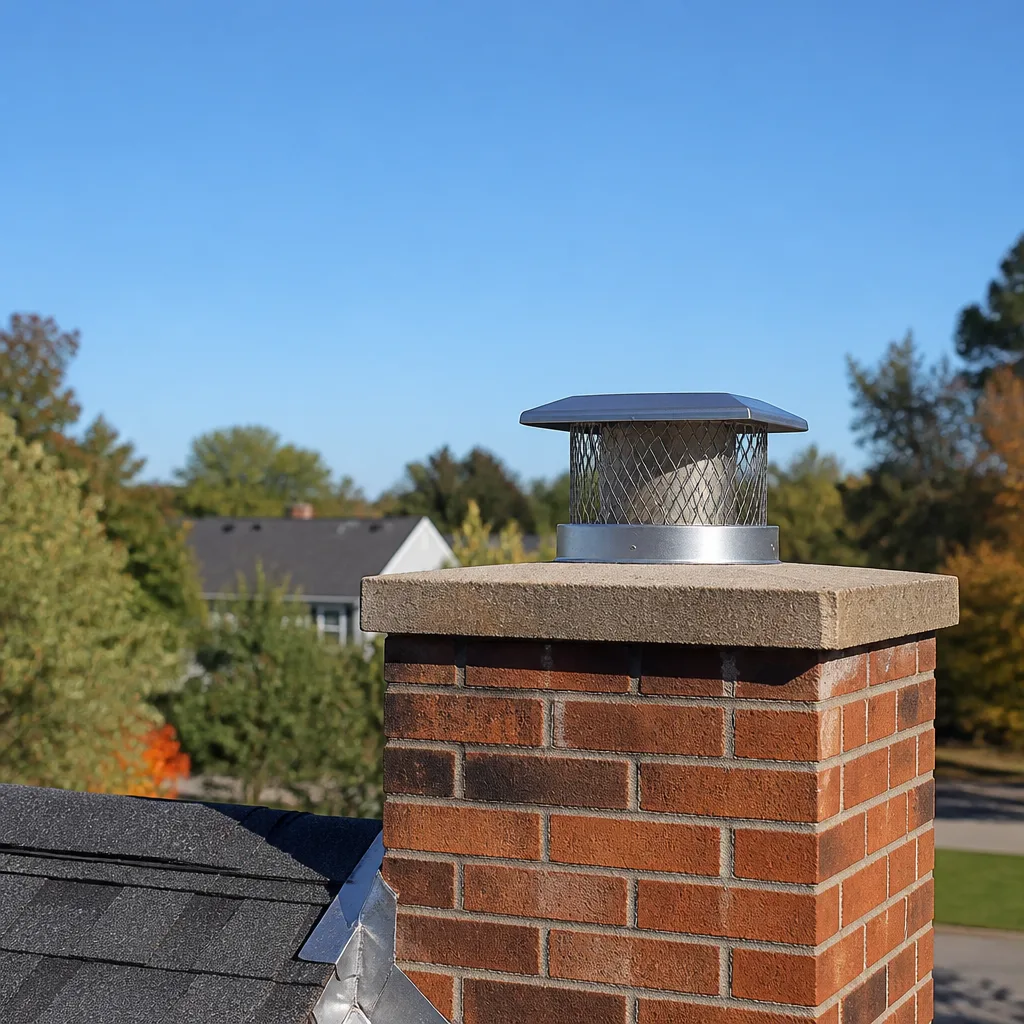 Sweep & inspection
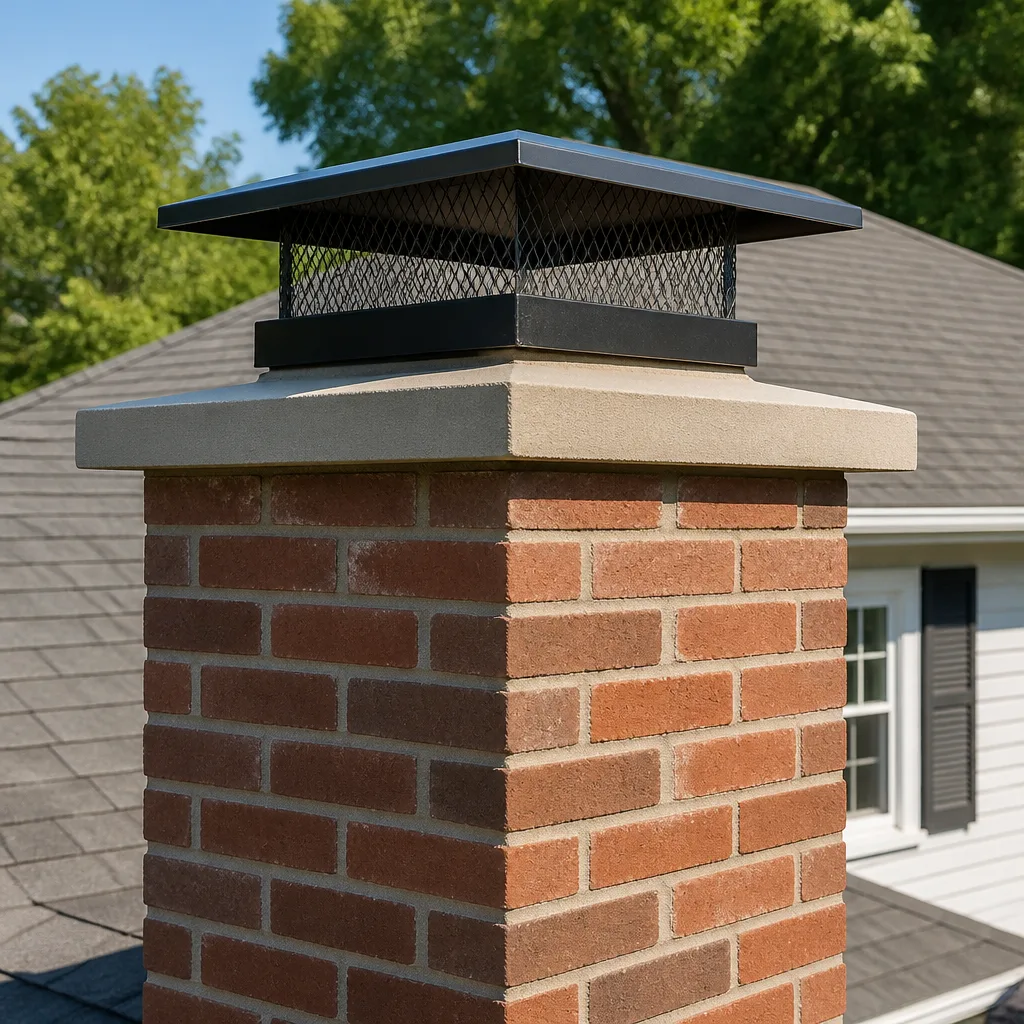 Caps & crowns
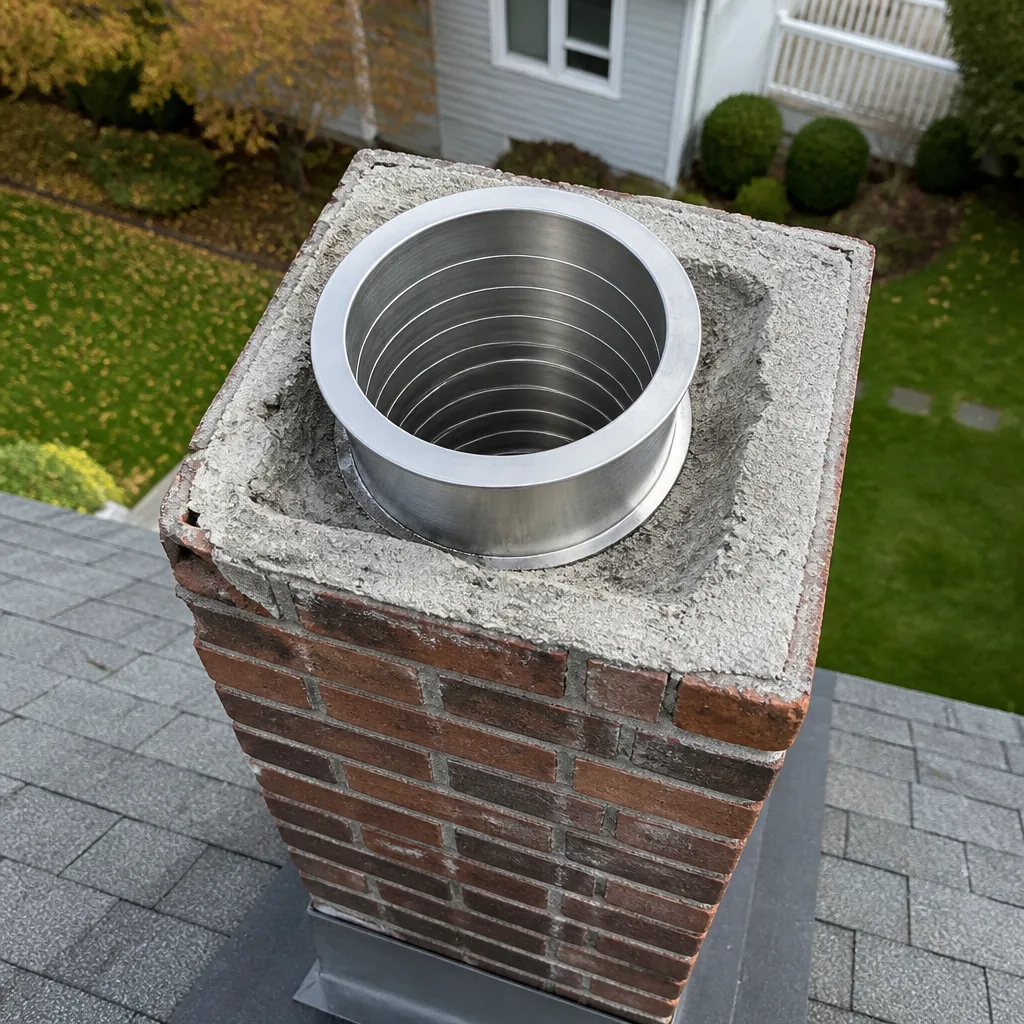 Flue relining
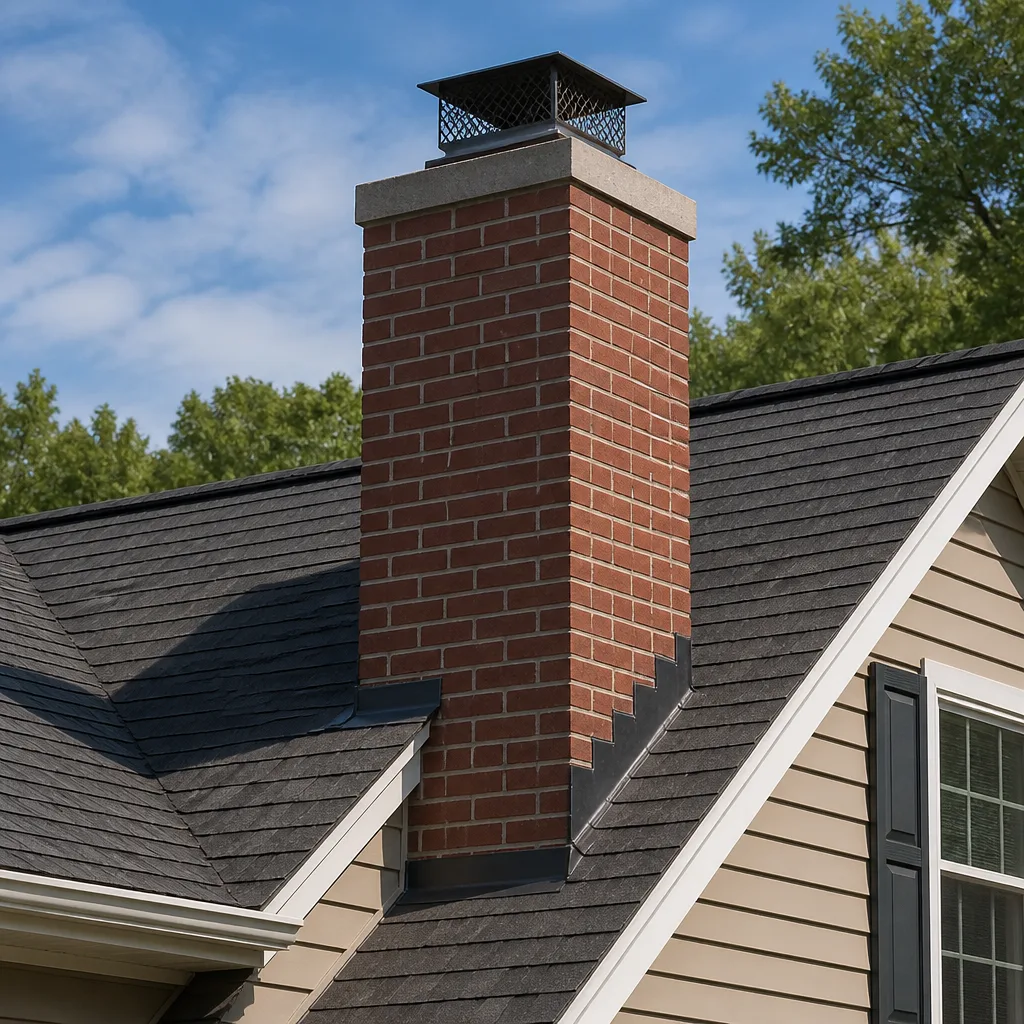 Masonry repair
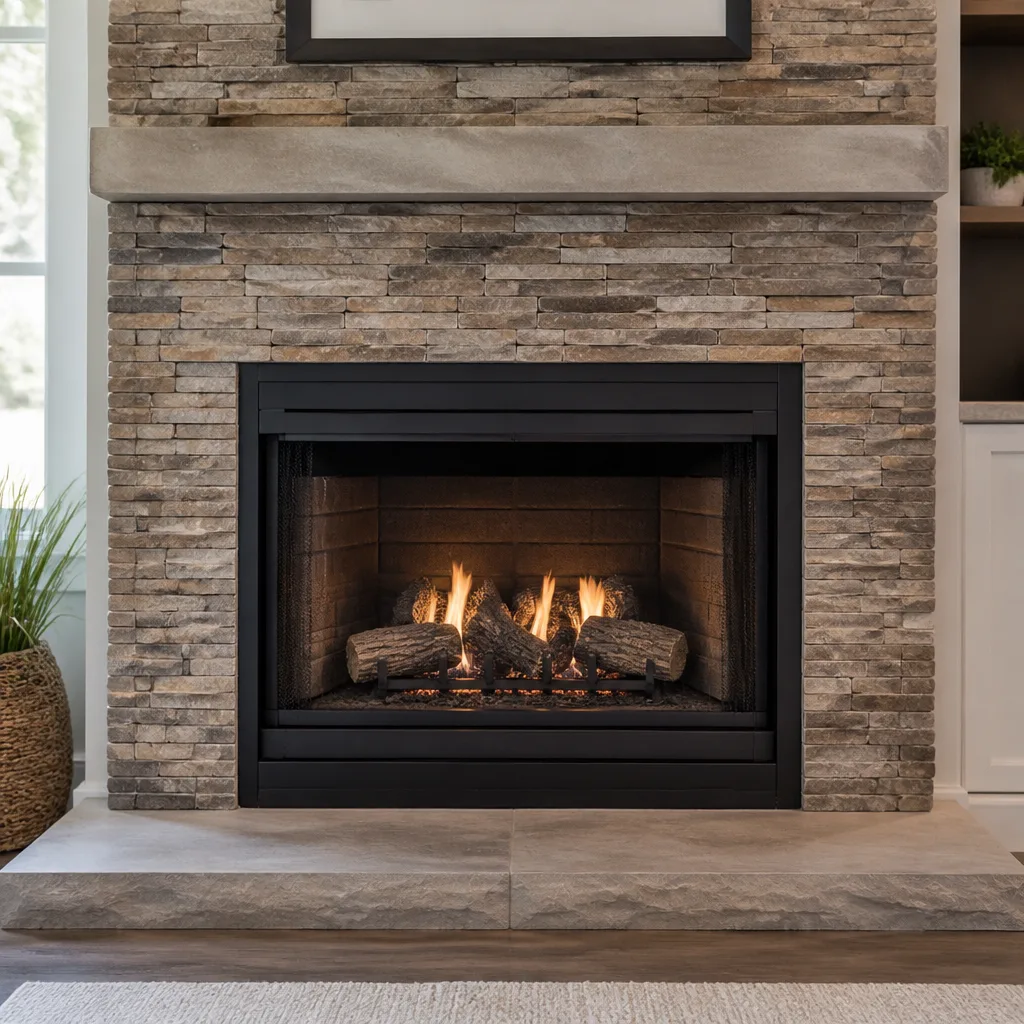 Gas fireplace service
Level 1 sweep and inspection to the NFPA 211 annual standard - flue, crown, cap, and flashing checked and photographed
Chimney sweep logs do not sweep chimneys. They loosen some creosote - which then falls where a brush and vacuum still have to collect it.
DIY vs Professional Chimney Cleaning: The Miami Homeowner’s Decision Guide
A $40 brush kit from Amazon will clean the part of your chimney you can already see from the firebox. What it won’t tell you is whether last season’s hurricane pressure swings cracked your flue liner, whether biological growth has taken hold in the humid dead air above your damper, or whether your crown sealant failed sometime in the last three years. This guide lays out exactly which chimney tasks a Miami homeowner can handle without documentation, and which ones quietly create a liability gap the day you need your insurance company to take your call. For How to Hire a Chimney Cleaning Contractor in Miami: A Step-by-Step Guide, see our detailed breakdown. We’ve spent more than two decades looking at South Florida chimneys from the inside, and the difference between a clean chimney and a safe one is almost never visible from the hearth.
Styles & brands we work with
Quick Answer
DIY chimney cleaning in Miami can handle one narrow job: removing loose surface soot from the firebox floor and the smoke shelf you can reach. It cannot document liner condition, measure draft, or produce the signed inspection report your insurance carrier may request after a chimney fire or water intrusion claim. A professional sweep in Miami typically runs $189 to $325 for a standard single-flue cleaning, and that price includes the documentation that a brush kit physically cannot create.
Table of Contents
- What DIY Chimney Cleaning Can Actually Do in Miami
- What DIY Cleaning Cannot Do: The Documentation Gap
- The Humidity Problem: Why Miami DIY Sweeping Often Backfires
- Flue Liner Cracks and Hurricane Pressure: A South Florida Specific
- The Real Cost Comparison: Brush Kit vs. Professional Sweep
- What a Professional Written Report Documents That DIY Never Can
- Maintenance Tasks a Miami Homeowner Can Legitimately Handle
- Common Mistakes to Avoid
- When to Call a Professional
- Frequently Asked Questions
- The Bottom Line
What DIY Chimney Cleaning Can Actually Do in Miami
A homeowner with a basic brush kit, a drop cloth, and a pair of safety glasses can remove loose creosote and soot from three specific areas: the firebox floor, the damper assembly, and the lower portion of the smoke shelf that sits directly above the damper opening. That’s it. The smoke shelf is the flat ledge inside the chimney that catches falling debris and redirects airflow, and in a typical Miami masonry chimney, it collects a fine black dust that brushes off easily. If your chimney sees light seasonal use, maybe fifteen or twenty fires between December and February, the amount of buildup on those surfaces is usually modest. Removing it yourself is low-risk and requires no special training.
You can also perform a visual inspection of the exterior from ground level. Look for cracked or missing crown sealant, which in Miami breaks down faster than in drier climates because the concrete crown expands and contracts through our wet season and dry season cycle. You can check whether the chimney cap is rusted, whether the spark arrestor mesh shows holes, and whether any bricks have spalled, meaning the face of the brick has popped off and left a recess. These are all legitimate homeowner checks, and they cost nothing. They do not, however, constitute an inspection in any sense that matters to an insurance adjuster or a building code officer in Miami-Dade County.
One more task you can do: operate the damper and listen to how it moves. A damper that grinds or sticks is telling you something, and you can note that for whichever professional you eventually call. None of these DIY tasks will hurt your chimney, and they won’t hurt your insurance standing either, because none of them involve altering the system. They’re surface-level observations and surface-level cleaning, and that’s the honest boundary.
What DIY Cleaning Cannot Do: The Documentation Gap
Here’s the part most DIY chimney cleaning articles in Miami gloss over. When you clean your own chimney, you produce exactly zero paper. No report. No dated record of system condition. No signed statement from a trained technician that describes what the flue looked like on a specific date. In most cases, that’s fine, right up until the moment it isn’t.
If your Miami home experiences a chimney fire, your homeowner’s insurance carrier will open a file and start asking questions. One of the first questions is whether the chimney had been cleaned and inspected by a qualified professional, and if so, when. A receipt from Amazon for a brush kit does not answer that question. A signed service report from a licensed chimney company, dated within the last twelve months, does. The same applies to water intrusion claims. If water enters through a failed crown or a cracked flue liner and damages ceilings or drywall, the adjuster will want to know whether the chimney was maintained. A professional Chimney Inspection in Miami creates a paper trail that documents the condition of the crown, the liner, the flashing, and the damper on a specific date. Self-inspection creates none of that.
There’s a liability angle too. If you sell your Miami home and the buyer’s inspector flags the chimney as questionable, a recent professional report gives you something to hand over. A homeowner’s memory of having swept it themselves does not. The documentation gap is real, it’s specific, and it’s the single strongest argument for hiring a professional at least once every year or two even if you do light surface cleaning yourself in between.
The Humidity Problem: Why Miami DIY Sweeping Often Backfires
Miami’s average relative humidity hovers around 73 percent year-round. In the summer months it climbs higher. That number matters for chimney maintenance in a way it doesn’t in Phoenix or Denver. Chimneys in South Florida don’t get the dry, powdery creosote that builds up in cold-climate chimneys that burn wood all winter. Instead, Miami chimneys develop a sticky, tar-like creosote when they’re used, and that substance absorbs moisture from the air. It also traps biological growth. Mold, mildew, and in some cases fungal colonies grow inside damp, shaded flue liners, particularly in chimneys that go unused between March and November.
When a homeowner runs a DIY brush up the flue and pulls it back down, they’re doing more than knocking soot loose. In a humid Miami chimney, they’re often aerosolizing mold spores and redistributing them inside the firebox. If the damper is open and the home’s HVAC return is nearby, which it often is in Miami floor plans where the fireplace shares a wall with the air handler closet, those spores get pulled into the duct system and distributed through the house. In our experience, we’ve walked into Miami homes where a well-meaning DIY sweep made an indoor air quality issue noticeably worse. The homeowner knew the chimney needed cleaning, they grabbed a brush, and two days later the whole upstairs smelled musty.
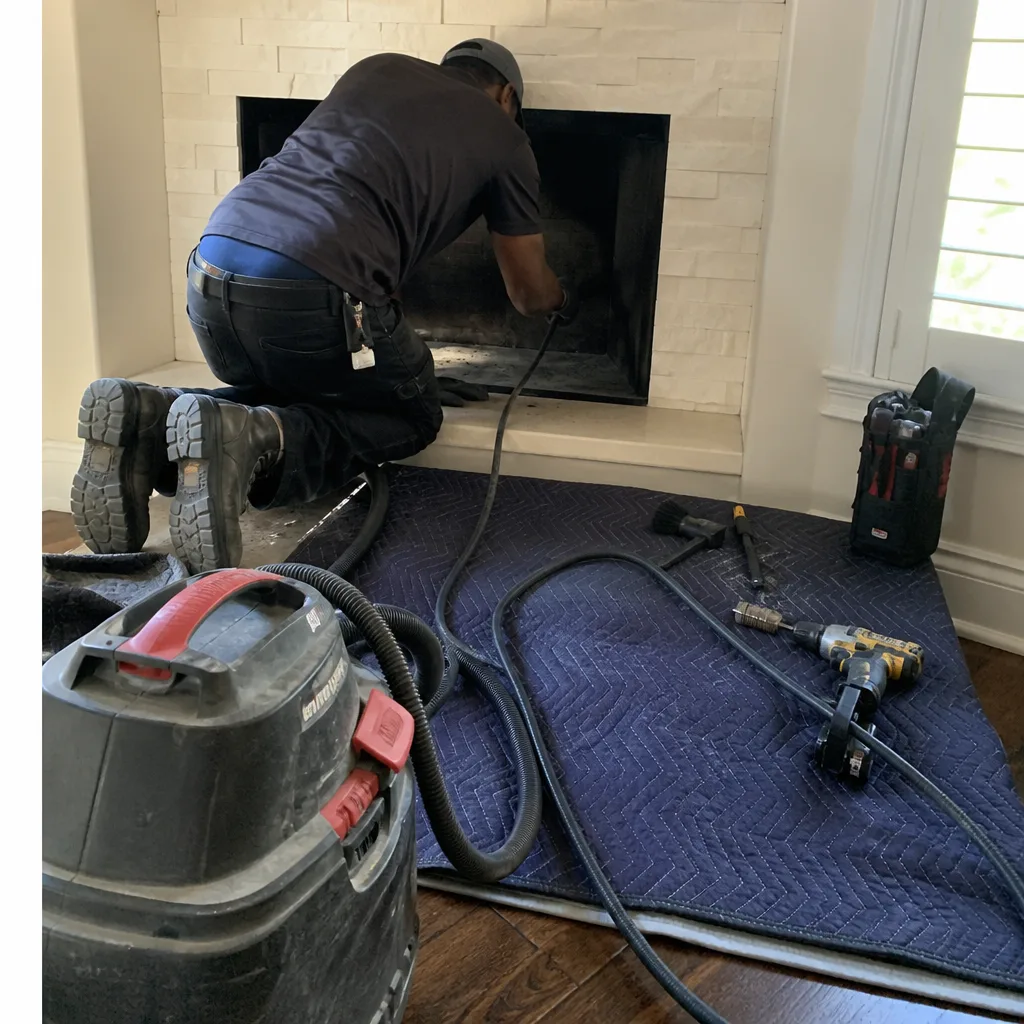
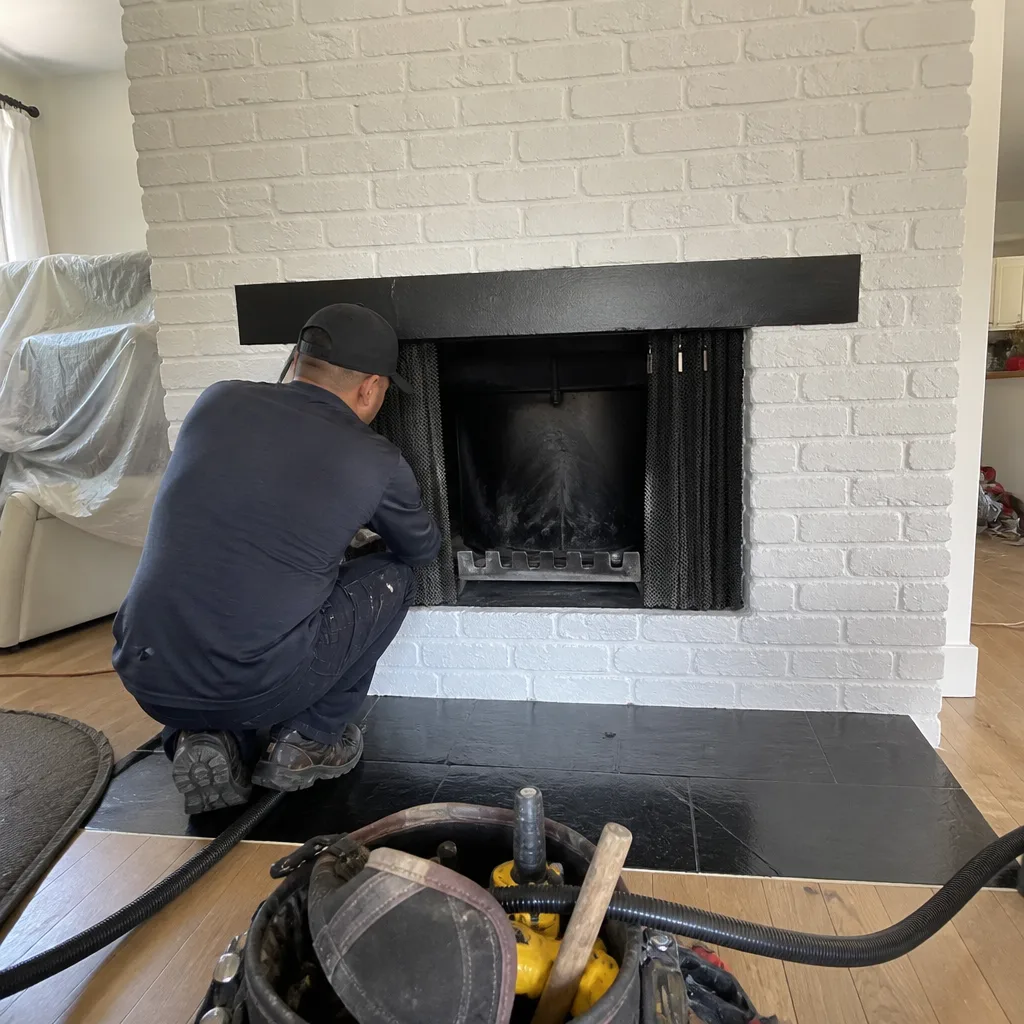
A professional sweep in Miami is done with a vacuum system that maintains negative pressure at the firebox opening. The dust and spores go into a HEPA-filtered vacuum, not into your living room. That’s not a luxury feature. In South Florida’s humidity, it’s the difference between cleaning the chimney and relocating the chimney’s contents into your furniture and lungs. The mold spore issue alone is reason enough for most Miami homeowners to skip the DIY sweep and hire a Chimney Sweep in Miami who runs proper extraction equipment.
Flue Liner Cracks and Hurricane Pressure: A South Florida Specific
Chimney flue liners crack for the same reason Miami swimming pools get hairline fractures: pressure differentials and thermal cycling. When a hurricane passes through South Florida, barometric pressure drops sharply, then rebounds. The inside of a chimney flue is an enclosed air column that responds to those pressure shifts. Over years, the repeated expansion and contraction stresses the clay tile liner sections, which are mortared together in a vertical stack. Add Miami’s seasonal temperature swings, mild as they are, and you get a slow accumulation of stress fractures in the tile joints.
Some of those cracks are harmless. Many are not. A cracked flue liner allows heat and combustion gases to reach the brick or wood framing that surrounds the flue, and in a worst-case scenario, that’s how chimney fires start and how carbon monoxide enters living spaces. The problem from a homeowner’s perspective is that flue liner cracks are almost never visible from the firebox. They sit twenty or thirty feet up the flue, behind creosote staining, and the only reliable way to find them is with a chimney camera. A brush kit sees nothing. A flashlight from below sees nothing. A $300 professional chimney inspection with video scanning sees exactly what’s there, and it documents it.
This is the core argument for professional cleaning in Miami that almost no one talks about. The sweep itself is mostly about removing flammable deposits. The inspection that accompanies a professional sweep is what actually protects your house. A brush kit cleans. A camera sees. Those are not the same service, and in a climate where hurricane pressure cycles actively stress chimney systems, the camera matters more in Miami than it does almost anywhere else in the country.
The Real Cost Comparison: Brush Kit vs. Professional Sweep
A basic chimney brush kit with rods runs $40 to $80 on Amazon. A shop vacuum you may already own runs $60 to $150 if you don’t. Disposal of the creosote and soot you collect, in Miami, means bagging it and putting it in your regular trash, assuming your hauler accepts it, which Miami-Dade curbside service generally does in small quantities. So the hard out-of-pocket cost of a DIY sweep is somewhere between $40 and $230, depending on whether you need a vacuum and whether you already own safety gear.
A professional chimney sweep in Miami typically costs between $189 and $325 for a standard single-flue residential chimney with normal buildup, and our Chimney Cleaning Cost Breakdown: The Miami Homeowner’s Reference for 2026 explains exactly what drives those numbers. That price includes the sweep itself, the HEPA vacuum extraction, a visual inspection of the accessible system, and the written report. If the flue requires heavy creosote removal because the chimney hasn’t been cleaned in several years, the price can run higher, usually in the $350 to $500 range. If video scanning is added to the inspection, which we recommend for any Miami chimney that hasn’t been inspected in more than two years, that’s typically an additional $79 to $150.
Here’s the math most homeowner cost comparisons leave out. A DIY sweep has no labor cost, but it also has no diagnostic capability. It cannot find a cracked flue liner. It cannot measure draft. It cannot check chimney clearance compliance against Miami building codes. If your chimney has a structural issue and you don’t know it because you cleaned it yourself, the cost of that missed defect is potentially thousands of dollars in repair work and an insurance claim that may be denied for lack of maintenance documentation. The true cost of DIY chimney cleaning is the probability of missing a defect multiplied by the cost of that defect going unrepaired. For a Miami chimney exposed to hurricane pressure cycles and year-round humidity, that probability is not trivial.
| Cost Item | DIY Range | Professional Range (Miami) |
|---|---|---|
| Brush kit and rods | $40 – $80 | Included in service |
| HEPA vacuum (if needed) | $60 – $150 | Included in service |
| Standard sweep, single flue | N/A (labor only) | $189 – $325 |
| Heavy creosote removal | N/A | $350 – $500 |
| Video inspection scan | N/A | $79 – $150 |
| Written report for insurance | Not possible | Included |
| Liner defect detection | Not possible | Included with inspection |
If you’re deciding purely on sticker price, the brush kit wins. If you’re deciding on whether the job actually got done, meaning the chimney is clean, the system is documented, and the hidden parts were examined, the professional service is the only option that completes the assignment. For a full breakdown of what a professional sweep includes in the Miami market, see our Chimney Sweep in Miami service page.
What a Professional Written Report Documents That DIY Never Can
A professional chimney sweep produces a written report after every service call, and that report is not a formality. It’s a dated snapshot of the condition of your chimney system on a specific day, and it’s the document your insurance carrier, your home inspector, and your future buyer all treat as evidence of maintenance. Here’s what that report actually covers.
- Liner condition. Whether the flue liner is intact, cracked, spalled, or showing signs of separation at the joints. If a video scan is performed, the report references the footage and describes specific defects by location. This is the single most important piece of documentation for an insurance claim involving fire or water damage.
- Draft measurement. The technician measures the chimney’s draft, meaning the airflow that pulls smoke and combustion gases upward and out of the house. A weak draft is a safety issue, and a measured draft reading is something no brush kit can produce.
- Clearance compliance. The distance between the chimney and combustible materials like wood framing, insulation, and drywall. Miami building codes require specific minimum clearances, and a professional report states whether the system meets them.
- Creosote accumulation level. The report notes how much creosote was present and where, which tells you whether your burning habits or fuel type need adjusting. In Miami’s humidity, this matters more than homeowners expect because moisture accelerates creosote bonding to the liner walls.
- Crown and cap condition. The condition of the concrete crown, the mortar wash, the chimney cap, and the spark arrestor. These are the components most exposed to Miami’s rain, sun, and salt air, and their failure is the leading cause of chimney water intrusion in South Florida.
- Damper operation. Whether the damper opens, closes, and seals properly. A damper that doesn’t seal lets air-conditioned air escape up the chimney all summer, which in Miami translates to real money on your electric bill.
None of these items can be self-documented. A homeowner can look at a chimney and see soot. They cannot see inside a flue liner, cannot measure draft, cannot know whether the clearance meets code. The difference between a cleaning and an inspection is the difference between wiping down a surface and taking the system apart. Both have value, but only one creates a record you can use.
Maintenance Tasks a Miami Homeowner Can Legitimately Handle
Before we close the door on DIY entirely, let’s be specific about what you can do without touching the flue, without voiding anything, and without creating a documentation gap. These tasks are safe, useful, and free.
- Exterior cap visual inspection. From the ground, look at the top of the chimney. Is the cap still there? Is the mesh screen intact? A missing or damaged cap in Miami means rain gets into the flue every afternoon thunderstorm season, and that’s the fastest way to destroy a liner. Spotting it early costs nothing, and you can call for cap replacement before the damage spreads.
- Damper operation check. Open and close the damper a few times. It should move smoothly and seat firmly. If it’s rusted open, your air-conditioned air is flowing out of the house. If it’s rusted shut, you can’t use the fireplace safely. Either condition is worth a professional call.
- Firebox floor debris removal. After the fireplace is fully cold, remove ash and debris with a metal scoop and place it in a metal container with a lid. Do not vacuum fireplace ash with a household vacuum unless it’s rated for ash, and even then, wait at least three days after the last fire. Live embers can survive overnight in ash and will destroy a shop vacuum or start a fire in your trash can.
- Spalled brick and cracked mortar monitoring. Take photos of the exterior chimney face every spring and every fall. Compare them. If a brick face has popped off, or if mortar joints are crumbling, the chimney is absorbing water and needs repointing or partial rebuild. Early detection here saves thousands of dollars in Miami, where water intrusion is the primary killer of masonry chimneys.
- Interior wall check near the chimney. Look for staining, bubbling paint, or musty smells on the walls and ceiling adjacent to the chimney chase. These are early signs of water penetration, and catching them before the drywall fails is the difference between a crown repair and a full interior remediation.
None of these tasks replace a professional chimney sweep. They’re maintenance habits that make the professional visits more effective, because you can tell the technician exactly what you’ve observed. In Miami’s climate, where chimneys deteriorate during the long months they sit unused, homeowner monitoring between professional visits is genuinely valuable. But it’s monitoring, not cleaning, and it’s not inspection in the technical sense.
Common Mistakes to Avoid
- Using a household vacuum for ash removal. Ash that looks cold can hold live embers for days. We’ve seen melted vacuum canisters and more than one garage fire in Miami that started with a well-meaning Saturday morning ash cleanout. Use a metal scoop and a metal container, and wait at least 72 hours after the last fire before you even do that.
- Assuming a brush through the flue equals a clean chimney. A brush removes loose surface deposits. It does not remove tar-like creosote that has bonded to the liner, it does not clear blockages in the smoke shelf, and it does not inspect anything. If the brush comes out clean, that tells you the liner is smooth, not that the system is safe.
- Skipping the inspection because the chimney “hasn’t been used in years.” In Miami, an unused chimney is often a worse candidate than a used one. Moisture, biological growth, and nesting debris accumulate in dormant flues. We’ve pulled dead birds, wasp nests, and enough mold to fill a contractor bag out of chimneys that hadn’t seen a fire in five years.
- Spraying over mold or musty smells with household cleaners. If your fireplace smells musty during Miami’s wet season, that’s a moisture problem, not a cleaning problem. Masking the odor with spray cleaners does nothing to address the water intrusion, and it may drive spores deeper into the masonry. The chimney needs a moisture diagnosis from a pro, not a scented candle under the damper.
- Forgetting that chimneys are a documentable system, not just a hole in the roof. When claims and inspections happen, the homeowner with a dated professional report wins. The homeowner who swept their own chimney has no paper, and in a dispute with an insurer, no paper usually means no coverage.
- Waiting until winter to think about the chimney. Miami’s fireplace season is short, and every chimney company in the area gets busy in November and December. The best time to have your chimney swept and inspected in Miami is actually the summer, when the system is idle, the schedule is open, and any repairs can be completed before the first cold front drops the temperature below 60.
When to Call a Professional
Call a chimney professional if you see any of these conditions: cracking or spalling on the exterior masonry, water staining on ceilings or walls near the chimney, a damper that won’t open or close, a strong musty odor coming from the firebox, visible creosote accumulation thicker than a nickel, or a chimney that hasn’t been inspected in more than two years. For more guides & resources on keeping your system safe, explore our blog. Also call if you’ve just purchased a Miami home with an existing fireplace and have no documentation from the seller showing a recent chimney inspection. The first cold front of the season is not the time to discover that your chimney has a problem. Flint Chimney Co Miami offers free estimates throughout the Miami area. Call (786) 305-7861 and a live person answers, day or night, no phone tree and no callback form.
If you need repairs, we write the price down before any work starts, and every repair is covered by our 365-Day Done Right Promise: a written guarantee valid for one full year from the service date. If a covered repair fails within that year, we return at no charge. That’s the Chimney Repair in Miami standard we’ve operated under since 2002, and it applies to every job we take in this city.
Frequently Asked Questions
A standard chimney sweep in Miami typically costs between $189 and $325 for a single-flue residential chimney with normal creosote buildup. Heavy creosote removal can push the price to $350 to $500, and adding a video inspection scan typically adds $79 to $150. Every professional sweep in Miami should include a written report, and at Flint Chimney Co Miami, the written price comes before the work starts, so the number on the invoice matches the number you approved. Call (786) 305-7861 for an exact quote based on your chimney’s condition.
The National Fire Protection Association standard, NFPA 211, says chimneys should be inspected at least once a year and cleaned as needed based on use and accumulation. In Miami, where fireplace use is seasonal and humidity affects creosote buildup, we recommend an annual inspection and a cleaning every one to two years for most homes. If you burn more than a cord of wood per season or burn unseasoned wood, plan on a sweep every year. A professional inspection is what actually determines whether cleaning is needed, and that’s a call a camera makes, not a guess.
Skipped cleaning allows creosote, moisture, and biological growth to accumulate in the flue liner. In Miami’s humid climate, that combination accelerates liner deterioration. The most common outcomes we see are restricted draft, persistent musty odors, and flue liner cracks that go undetected until a chimney fire or water intrusion makes them impossible to ignore. The repair cost for a deteriorated liner that could have been caught early is far higher than the cost of a maintenance sweep, and the insurance documentation gap compounds the problem. If it’s been more than two years, call (786) 305-7861 for a free estimate and get a current report on file.
Yes, and summer is actually the best time to have your chimney swept in Miami. The system is idle, moisture readings are stable, the schedule is open, and any repairs the sweep uncovers can be completed before fireplace season begins. We recommend booking between June and September, which gives you documentation in hand before the first cold front and means you’re not competing for an appointment when every other chimney in South Florida fires up for the season.
DIY chimney cleaning doesn’t void a Miami homeowner’s policy by itself, but it creates a documentation gap that can become a coverage problem if a claim involves the chimney. An insurer reviewing a fire or water damage claim will typically ask for maintenance records, and a homeowner with no professional inspection or cleaning documentation has nothing to show. Having a dated professional report from a licensed chimney sweep demonstrates that the system was maintained to the standard the insurer expects. It’s not that DIY cleaning is automatically a coverage denial; it’s that you’ve removed your ability to prove you took care of the system.
Yes. Miami’s high humidity means creosote forms differently than in dry climates. Instead of flaky, powdery deposits that brush away easily, Miami creosote tends to be sticky and tar-like because it absorbs moisture from the air. That sticky residue bonds more tightly to the flue liner and is harder to remove without professional equipment. It also provides a substrate for mold and mildew growth in dormant chimneys, which is why a Miami chimney that sits unused for six months can develop an odor problem that a chimney in Arizona never would. This is precisely why professional extraction with a HEPA vacuum matters more here than in drier parts of the country.
The Bottom Line
The question isn’t whether DIY chimney cleaning can remove soot. It can, on the surfaces you can reach. The question is whether removing soot is the same as maintaining a chimney, and in Miami it isn’t. A chimney is a documented system, not just a vertical passage, and the things that actually destroy South Florida chimneys, flue liner cracks from pressure cycling, biological growth in humid dormant flues, crown sealant failure from constant rain and sun, are invisible to a brush kit and a flashlight. A professional sweep gives you a clean chimney, a dated report, and a set of eyes on the parts that matter. A brush kit gives you a cleaner-looking smoke shelf and nothing else. If you’d like the full Flint Chimney Co Miami home level of service, call (786) 305-7861 for a free estimate, and we’ll put the price in writing before we ever pick up a tool.
Written by Hank Delano, Owner at Flint Chimney Co Miami, serving Miami since 2002.
See the difference
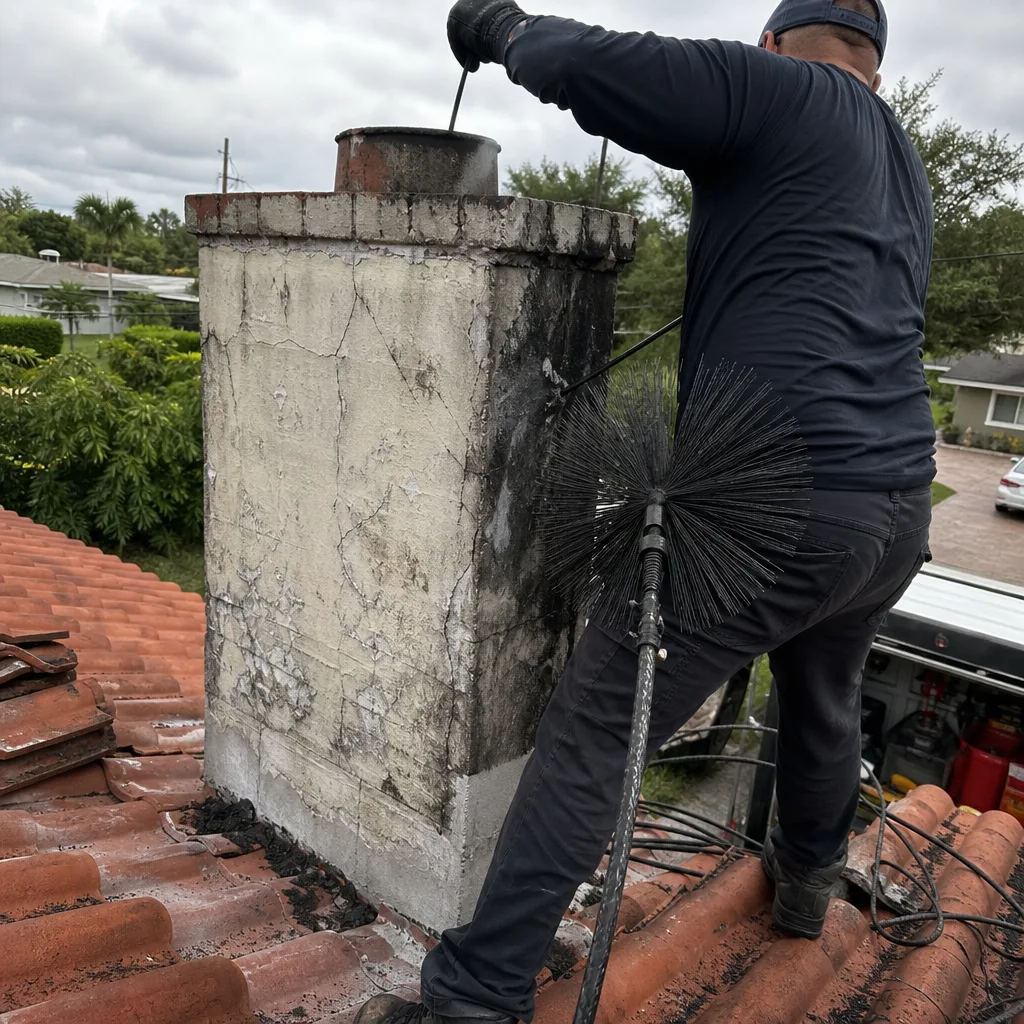 Before
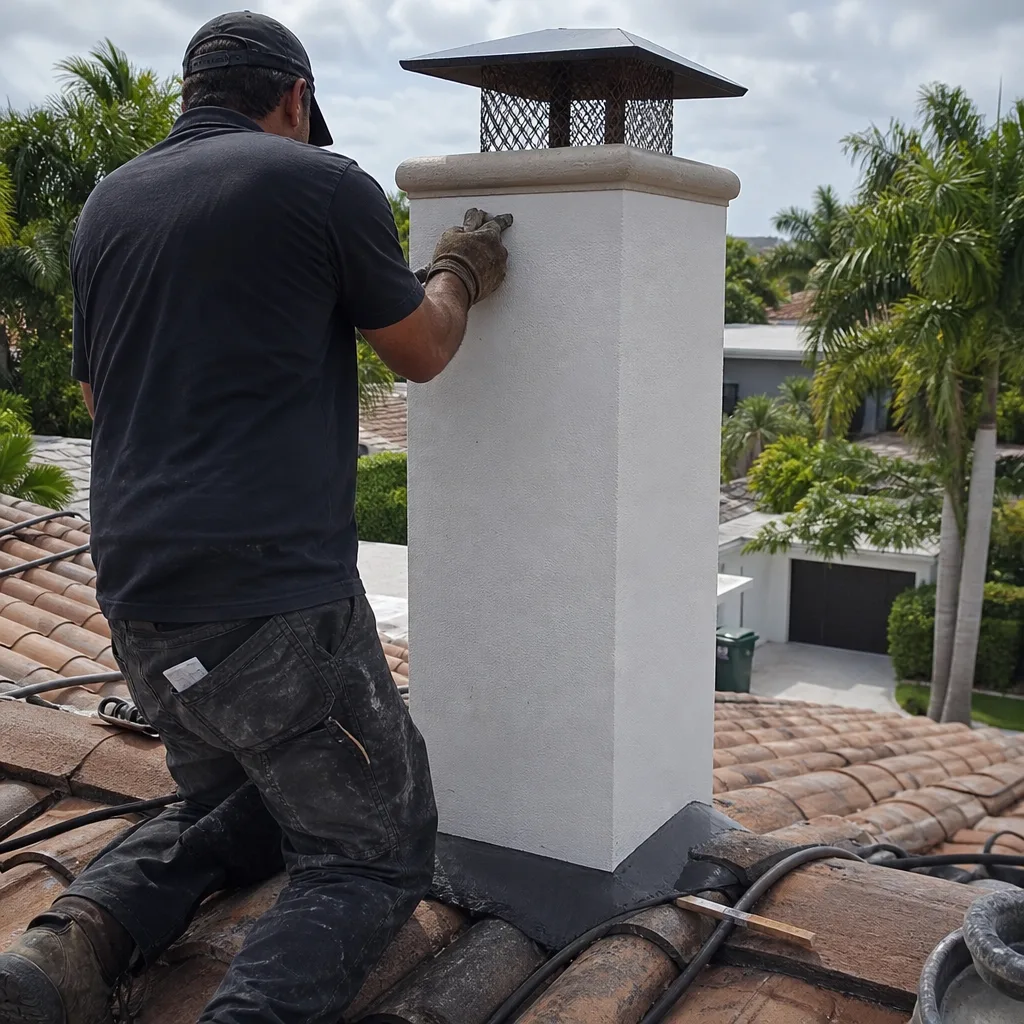 After
After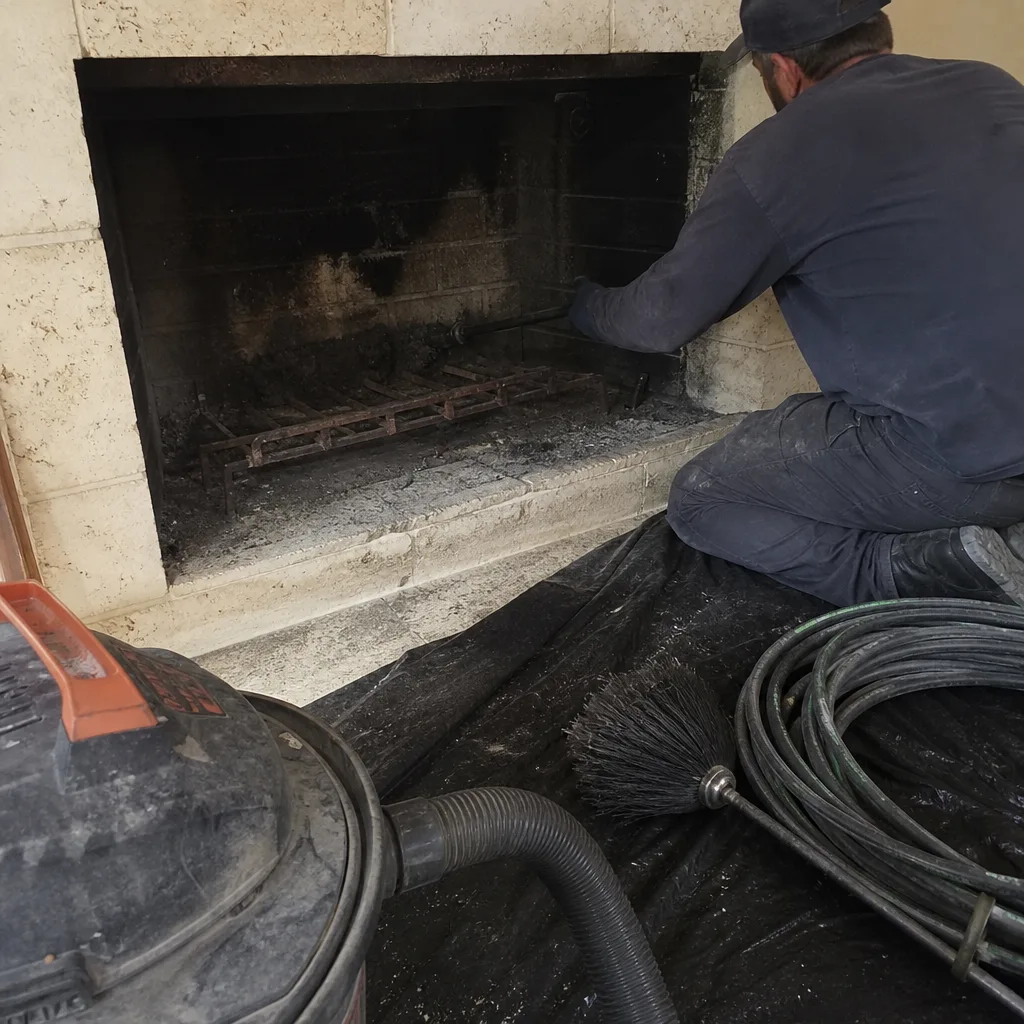 Before
 After
After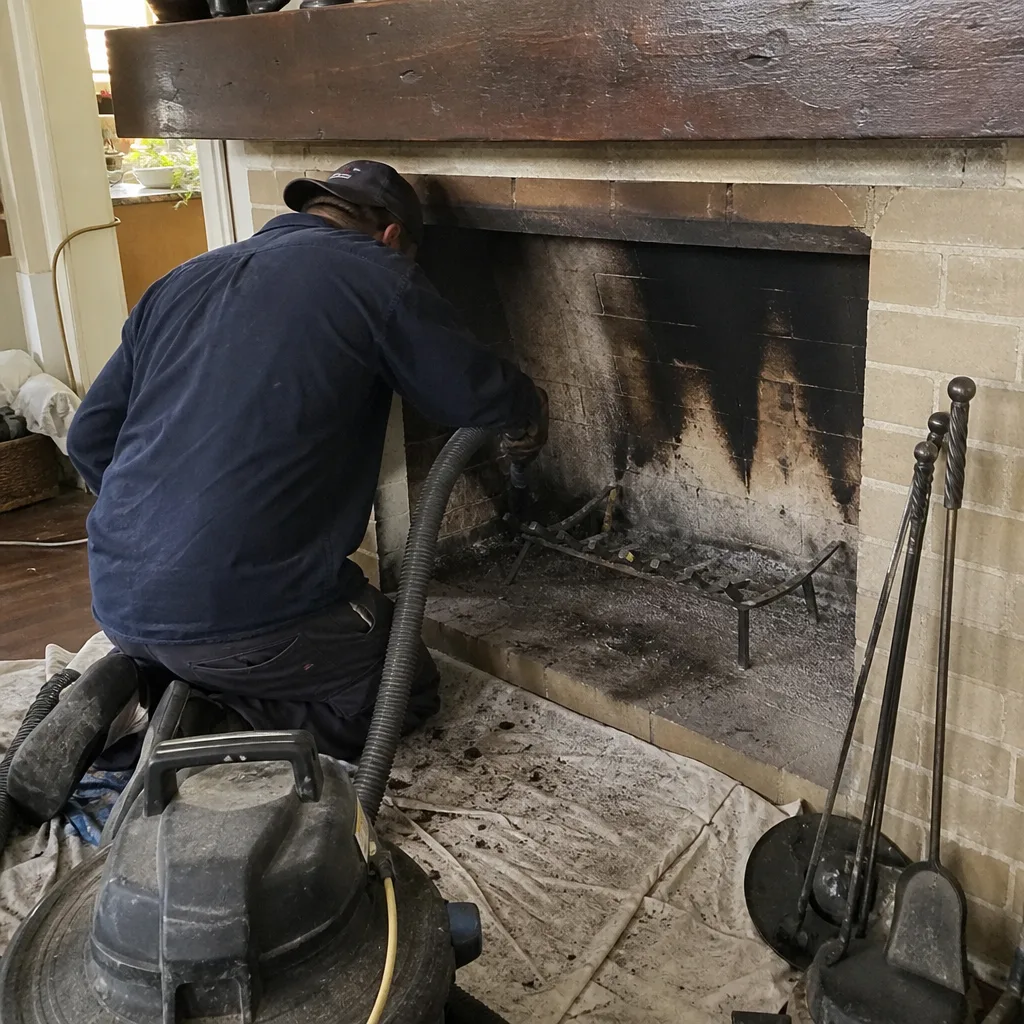 Before
 After
After