
Last updated October 15, 2026
 Sweep & inspection
 Caps & crowns
 Flue relining
 Masonry repair
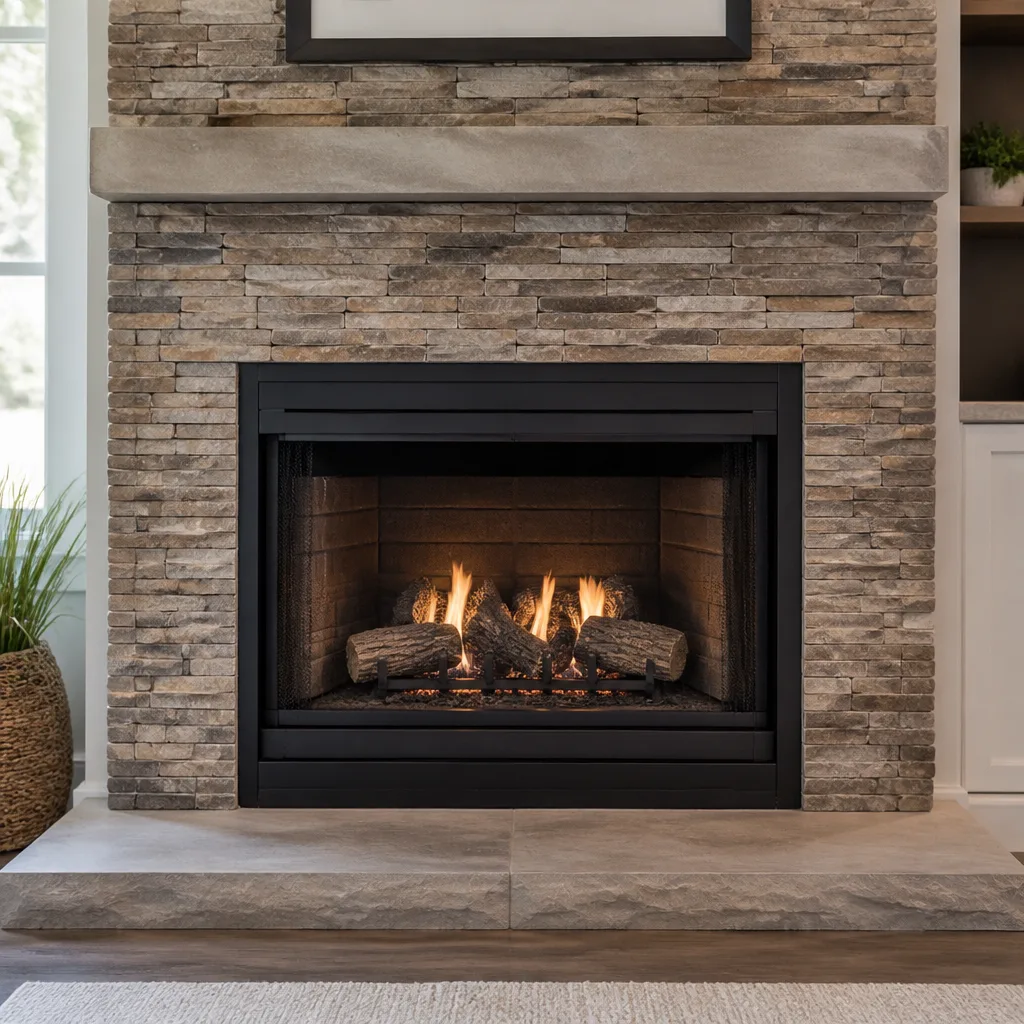 Gas fireplace service
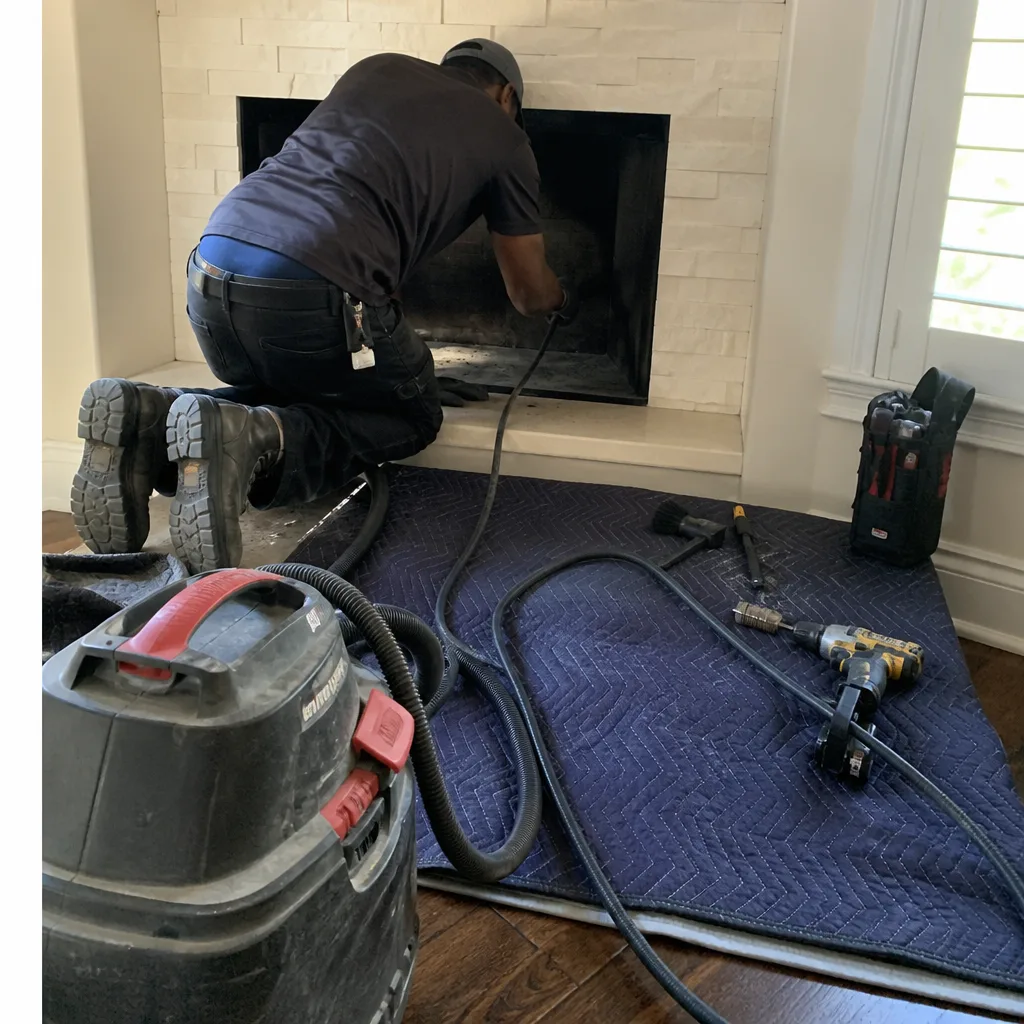
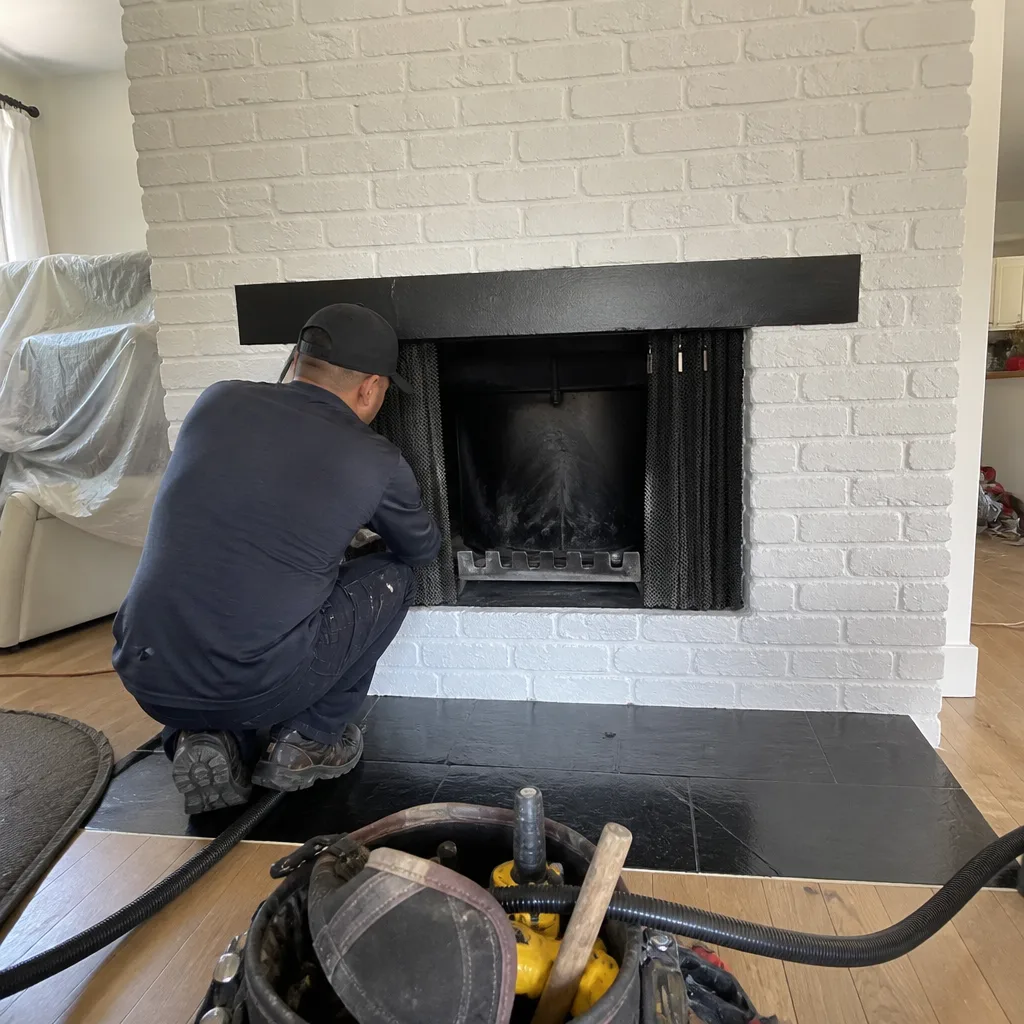
Level 1 sweep and inspection to the NFPA 211 annual standard - flue, crown, cap, and flashing checked and photographed
Chimney sweep logs do not sweep chimneys. They loosen some creosote - which then falls where a brush and vacuum still have to collect it.
Chimney Cleaning Permits, Codes & Inspections in FL: What You Need to Know
A chimney cap replacement costs roughly $200 to $450 in Miami. That same cap replacement, done without a permit on a Miami-Dade property, can flag a building violation that delays a home closing by weeks. The inspector pulls the permit history, finds unpermitted work on a regulated system, and the seller is suddenly negotiating a repair escrow at the closing table. This guide draws the exact line between what Florida treats as routine chimney maintenance and what it regulates as construction. You’ll learn which repairs consistently require permits in Miami-Dade and Broward, how to verify a contractor pulled the right permit, and what NFPA 211 actually requires of a Florida homeowner.
Styles & brands we work with
Quick Answer
Routine chimney sweeping and most inspection work does not require a permit anywhere in Florida. But several repairs that a cleaning commonly uncovers, including flue liner replacement, firebox rebuilding, and structural masonry work, do require a permit under Florida Building Code Section 1004 and local Miami-Dade amendments. Homeowners who skip that permit create a title and insurance liability that typically surfaces when they sell the house.
Table of Contents
- What Florida Building Code Actually Regulates in a Chimney
- Miami-Dade vs. Broward: How the Permit Process Differs
- The Repairs That Consistently Require a Permit in South Florida
- How to Verify a Contractor Pulled the Right Permit (Step by Step)
- What NFPA 211 Compliance Means for a Florida Homeowner
- Chimney Inspections in Florida: What Gets Checked and When
- Insurance, Title, and the Unpermitted Chimney on Closing Day
- Common Mistakes to Avoid
- When to Call a Professional
- Frequently Asked Questions
- The Bottom Line
What Florida Building Code Actually Regulates in a Chimney
Florida Building Code Section 1004 governs chimneys and fireplaces. The section’s core distinction is between maintenance and alteration. Maintenance means cleaning, minor component replacement, and work that restores a system to its original designed condition without changing its structure or function. Alteration means any change to the chimney’s structural system, venting path, or fire-resistance rating.
Here’s the practical translation. Sweeping out creosote is maintenance. Replacing a rusted chimney cap with a like-for-like cap is maintenance in most interpretations. But removing a damaged flue liner and installing a new one is an alteration, because the liner is a fire-rated component that determines how the chimney handles heat and combustion gases. The same logic applies to rebuilding a firebox floor or repairing a cracked smoke chamber with new masonry.
Florida’s Building Code is adopted statewide, but enforcement is local. In Miami-Dade County, the building department operates its own permitting system with amendments that are sometimes stricter than the state baseline. In our experience working on Chimney Repair in Miami projects, we’ve seen the county require permits for firebox rebuilds that other Florida jurisdictions would classify as cosmetic.
One clarification worth making plainly: a permit is not the same as a code inspection. A permit authorizes the work. The inspection that follows confirms the work was done to code. Florida homeowners sometimes assume that if a contractor says the work is “up to code,” no permit was needed. That phrase carries no legal weight. Only a permit record and a passed inspection create the paper trail that protects you later.
Miami-Dade vs. Broward: How the Permit Process Differs
Miami-Dade County and Broward County both enforce the Florida Building Code, but their permitting workflows are different enough that a homeowner who moves from one to the other will feel the friction.
Miami-Dade operates through the county’s Building Department and its public permit portal. Any licensed contractor doing regulated chimney work in unincorporated Miami-Dade or most of its municipalities must pull a permit before work starts. The portal allows homeowners to search by address, permit number, or contractor name. The inspection is scheduled after the work is complete, and the inspector verifies compliance with the relevant code sections, including Section 1004 for chimney alterations.
Broward County’s process runs through each municipality’s building department, not through a single county portal. Fort Lauderdale, Hollywood, and Pembroke Pines each have their own permit application systems, fee schedules, and inspection queues. The underlying code is the same, but the paperwork is not. A chimney contractor who pulls permits routinely in Miami-Dade may need extra lead time to navigate a Broward municipality’s specific forms.
| Factor | Miami-Dade County | Broward County |
|---|---|---|
| Permitting authority | Miami-Dade Building Department (centralized) | Individual municipal building departments |
| Public permit lookup | County-wide online portal searchable by address | Portal varies by city; not centralized |
| Typical permit fee range for chimney repair | $150 to $1,000 depending on job value | Comparable, but fee schedules differ by municipality |
| Inspection scheduling | Online through the county portal | Through the city building department |
| Strictness on fireplace alterations | High; firebox and liner work routinely permitted | High, but interpretation varies by city inspector |
For a Chimney Sweep in Miami, the distinction matters because the permit responsibility lands on the contractor, not the homeowner, under Florida law. A licensed contractor who performs regulated work without a permit violates their licensing terms. A homeowner who knowingly allows unpermitted work accepts the liability that follows. Both parties own a piece of the problem when it comes time to sell.
The Repairs That Consistently Require a Permit in South Florida
Most chimney cleaning in Miami produces nothing more than a bag of soot and a clean smoke path. But roughly one in four cleanings we perform uncovers damage that needs repair work beyond maintenance. Here is where the permit line sits for the most common repair categories.
Flue Liner Replacement
Flue relining (replacing the inner liner that channels smoke safely out of the house) is the repair most likely to require a permit in Miami-Dade. The liner is a fire-rated component. Replacing it changes the venting system’s listed configuration. Whether the new liner is stainless steel from a brand like DuraFlex or a poured ceramic system like HeatShield, the county treats the job as an alteration, not maintenance. Expect a permit and an inspection.
Firebox Rebuild
Rebuilding a firebox floor or firebrick walls almost always requires a permit in Miami-Dade. The firebox is the chamber where the fire burns, and its masonry is part of the chimney’s fire-resistance system. Patching a single cracked brick may ride the line, but a full rebuild crosses it clearly. In Broward, the same work may be classified differently depending on the city, but the safe assumption is that a rebuild requires a permit.
Structural Cap and Crown Work
Replacing a rusted cap with the same size and style is maintenance. Rebuilding a cracked concrete crown (the slab that seals the top of the chimney) is structural work, because the crown keeps water out of the masonry system. If the repair involves removing and replacing the crown, plan on a permit in most South Florida jurisdictions.
Smoke Chamber Repair
Parging (applying a smooth mortar coating) the smoke chamber often requires a permit when the work involves new masonry or a listed repair system. We use products from Gelco and Olympia Chimney for chamber repairs, and the product listing usually matters less to the inspector than whether the work changed the chimney’s interior dimensions or fire rating.
Here’s a straightforward way to think about it: if the repair involves removing and replacing a fire-rated or structural component, assume a permit is needed. If the work only removes buildup and restores surfaces to their original state, it’s maintenance.
How to Verify a Contractor Pulled the Right Permit (Step by Step)
The best time to verify a permit is before the contractor starts regulated work. After the fact, you’re chasing a paper trail they may have skipped. Here is the verification process we recommend to every Miami homeowner.
- Ask for the permit number before work begins. A licensed contractor pulling a permit in Miami-Dade receives a permit number from the county portal. If the contractor hesitates, stalls, or says the job doesn’t need one when it falls into the categories above, get a second opinion.
- Search the Miami-Dade permit portal by address. The county’s online system lets you search permits by property address. Enter your address and look for the active or issued permit matching the work scope. If nothing appears, the permit has not been pulled.
- Confirm the work description matches the actual job. Some contractors pull permits with vague descriptions like “general repairs” that don’t match the flue liner or firebox work being done. Read the scope language. If it’s wrong, ask for a corrected permit.
- Verify the contractor’s license number is on the permit. Florida requires the licensed contractor’s number on the permit application. Cross-check that number with the Florida Department of Business and Professional Regulation license lookup.
- Request the inspection record after the work passes. The final inspection is the event that closes the permit. Ask for confirmation that the inspection was scheduled, performed, and passed. Keep that record with your home documents.
- If you’re in Broward, check the city’s portal. There is no single Broward-wide permit search. Each city runs its own system. Ask the contractor which municipal building department issued the permit and verify there.
This process takes about 15 minutes. It prevents the multi-week closing delay that unpermitted chimney work creates when a buyer’s inspector or title company finds the missing record.
What NFPA 211 Compliance Means for a Florida Homeowner
NFPA 211 is the National Fire Protection Association standard for chimneys, fireplaces, vents, and solid fuel burning appliances. Florida has not adopted NFPA 211 as law the way it has adopted the Florida Building Code. But the standard matters for two practical reasons: insurance and resale.
NFPA 211 sets the baseline for chimney inspection frequency. It states that chimneys, fireplaces, and vents should be inspected at least once a year by a qualified person. It also defines three levels of inspection. Level 1 is a visual check of accessible portions, appropriate when the system is used under the same conditions and frequency as before. Level 2 is a more thorough inspection including accessible attic, crawlspace, and exterior areas, required when the property changes hands or when the system has been damaged. Level 3 is invasive inspection that may require removing components, used only when a Level 1 or Level 2 inspection found a serious hazard that cannot be evaluated without opening up the system.
For a Florida homeowner, the practical intersection is this: insurance carriers increasingly ask whether the home’s fireplace is used and whether it has been inspected. Some policies exclude chimney fire damage if the homeowner cannot document annual maintenance. And in the resale market, a buyer’s Chimney Inspection in Miami will almost always be Level 2, per the standard’s requirement when property transfers.
In our experience, Miami homeowners who track their cleanings and inspections have fewer insurance questions and smoother closings. Those who skipped the maintenance and inherited a chimney with hidden damage end up negotiating repair credits at the table. The standard is voluntary, but the consequences of ignoring it are not.
Chimney Inspections in Florida: What Gets Checked and When
A chimney inspection in Florida is not a pass-fail test. It’s a documented condition report that tells you what the chimney can safely handle and what it cannot. Here is what a thorough inspection covers, and when each level applies.
- Interior flue condition: The inspector checks the liner for cracks, gaps, spalling, or buildup. In Miami’s humidity, masonry liners degrade faster than in drier climates because moisture cycles through the chimney year-round.
- Firebox and smoke chamber: The inspector looks for broken firebrick, missing mortar joints, and parging damage. These are the areas most likely to hide damage behind a layer of soot.
- Chimney crown and cap: The crown is checked for cracks that let water in, and the cap for rust, blockage, or missing spark arrestor mesh. Miami’s salt air corrodes galvanized caps faster than inland locations, so this check matters more here.
- Clearances and construction: The inspector verifies that combustible materials are a safe distance from the firebox and chimney structure, per Florida Building Code requirements.
- Draft performance: If the fireplace is used, the inspector evaluates whether the chimney draws properly. Miami’s low elevation and warm ambient temperatures create weaker natural draft than colder climates, which is why some Miami fireplaces smoke on mild days.
- Exterior masonry: The inspector checks for cracked bricks, missing mortar, and water staining on the exterior chimney. Florida’s rain and humidity accelerate masonry deterioration.
If you use the fireplace regularly, schedule a cleaning and Level 1 inspection once a year. If you’re buying or selling a home, expect a Level 2 inspection. If a Level 2 finds damage that needs internal access, a Level 3 inspection follows. None of these levels are optional extras on a sale; they’re the standard process for any home with a functioning fireplace.
Insurance, Title, and the Unpermitted Chimney on Closing Day
The most expensive chimney problem in Miami is not the liner that fails. It’s the liner that was replaced without a permit and then gets discovered during a title search. Here is the sequence that plays out in our market.
A homeowner calls a contractor for a chimney repair. The contractor says the job needs a liner replacement and quotes a price. The homeowner asks about permits. The contractor says the permit will add $400 and two weeks to the job, or suggests skipping it because “nobody checks.” The homeowner chooses speed over paper. Three years later, the homeowner lists the property. The buyer’s inspector finds a recent liner replacement. The title company pulls the permit history and finds no record. The buyer’s lender flags the unpermitted work. The closing is delayed while the seller files for an after-the-fact permit, which involves opening the wall to expose the liner for inspection and paying double fees.
This scenario is common enough in Miami-Dade that real estate agents warn sellers about it during listing prep. The county’s permit history is public record, and it is checked on almost every financed transaction. If the unpermitted work touches a regulated system like a flue liner, firebox, or structural crown, the risk is not theoretical.
Insurance creates a second exposure. If a chimney fire occurs and the investigation finds that the liner was replaced without a permit or inspection, the insurer may deny the claim on the grounds that the system was not maintained to code. The homeowner is then out the repair cost, the fire damage, and the deductible, with no recourse against a contractor who has since closed shop.
The Garrison Standard we follow at Flint Chimney Co Miami home exists partly because of these scenarios. Every job we do gets a written price before work begins. Every repair gets a written guarantee covering one full year. And when a job requires a permit, the permit gets pulled, the inspection gets scheduled, and the record gets handed to the homeowner. That paper trail is part of the deliverable, not an optional add-on.
Common Mistakes to Avoid
- Assuming a chimney sweep doubles as a code compliance check. A sweep removes buildup. It does not verify that the liner meets code or that prior repairs were permitted. Those are separate services with separate records.
- Confusing “up to code” with “permitted.” A contractor can say the work is up to code without ever filing a permit. Only a permit record and a passed inspection prove the work was reviewed and approved.
- Skipping the permit on a liner replacement to save time. The $150 to $500 permit fee is insignificant compared to the $2,000 to $8,000 liner job. The after-the-fact permit, double fees, and wall opening cost far more than doing it right the first time.
- Hiring a contractor who won’t put the permit number in writing. If the contractor balks at documenting the permit, that’s a signal the permit doesn’t exist. Walk away.
- Relying on a home inspector at purchase to catch chimney issues. A general home inspector checks the basics. A Level 2 chimney inspection goes deeper and is the only way to catch hidden liner or smoke chamber damage before closing.
- Ignoring the chimney because “we never use the fireplace.” An unused chimney still gets wet in Miami’s climate, still corrodes, and still shows up in a title search if prior work was unpermitted. The liability doesn’t disappear because you stopped lighting fires.
- Assuming Miami-Dade and Broward rules are identical. The code is the same. The portal, the fees, the inspection process, and the enforcement culture are not.
When to Call a Professional
Call a chimney professional when you see any of these: white staining or flaking brick on the exterior chimney, water in the firebox after rain, visible cracks in the firebrick, a smell coming from the fireplace during humid weather, or smoke that rolls into the room instead of up the flue. Each of these signals a problem that a cleaning will not fix and that may require permitted repair work; see our Chimney Cleaning Warning Signs: A Miami Homeowner’s Reference Guide for the full list.
If you’re buying or selling a home in Miami, schedule a Level 2 inspection before you sign. The inspection documents the chimney’s condition and gives you leverage in the negotiation. Flint Chimney Co Miami offers free estimates in Miami. Call (786) 305-7861 and a live person answers, any hour, any day. We’ll give you a written price before any work starts, and every repair carries our one-year written guarantee under the Garrison Standard.
Frequently Asked Questions
No. Routine chimney sweeping is classified as maintenance under Florida Building Code and does not require a permit anywhere in the state. But if the cleaning uncovers damage that requires repair work like liner replacement or firebox rebuilding, that repair work typically does require a permit in Miami-Dade and most Broward municipalities. Call (786) 305-7861 for a free estimate and we’ll tell you plainly whether your job needs a permit.
Flue liner replacement, firebox rebuilding, structural crown replacement, and smoke chamber parging with new masonry all consistently require permits in Miami-Dade. Like-for-like cap replacement and routine cleaning do not. When in doubt, ask the contractor for a permit number before work starts, then verify it in the county’s public permit portal.
Permit fees for chimney work in Florida typically range from $150 to $1,000, depending on the job value and the jurisdiction. Miami-Dade fees run through the county’s centralized system, while Broward fees vary by city. The permit fee is minor compared to the repair cost and the liability of skipping it.
The buyer’s title company pulls the permit history and flags the missing record. The closing gets delayed while you file an after-the-fact permit, which usually requires opening up the repaired area for inspection and paying double the original fee. In some cases, the buyer demands a repair escrow or walks entirely. The unpermitted work becomes your problem at the worst possible time.
NFPA 211 recommends an inspection at least once a year for chimneys in regular use, and a Level 2 inspection whenever a property changes hands. Florida’s humidity and salt air accelerate masonry and metal deterioration, so annual checks matter more here than in drier climates. A Level 2 inspection is the standard for any home purchase in Miami.
It depends on the cause and your policy language. Chimney fires caused by lack of maintenance may be excluded or contested, especially if you cannot document annual cleanings. Water damage from a cracked crown or failed cap is typically covered under the dwelling portion of the policy, but the repair to the chimney itself may not be. Keep your cleaning and inspection records, and pull permits for any regulated repair work, so you have the paper trail when a claim is filed.
The Bottom Line
Chimney cleaning in Florida does not require a permit. The repairs that a cleaning uncovers often do. Understanding the difference is the difference between a maintenance expense and a title defect that surfaces at closing. For additional help, explore our more guides & resources. The line is simple: maintenance is permitted-free, alteration is not. When replacement work touches a fire-rated or structural component, pull the permit, schedule the inspection, and keep the record. In Miami-Dade, that record lives in the county’s public portal and is checked on almost every financed transaction. Do the paperwork right the first time, and the chimney is an asset, not a liability.
Written by Hank Delano, Owner at Flint Chimney Co Miami, serving Miami since 2002.
See the difference
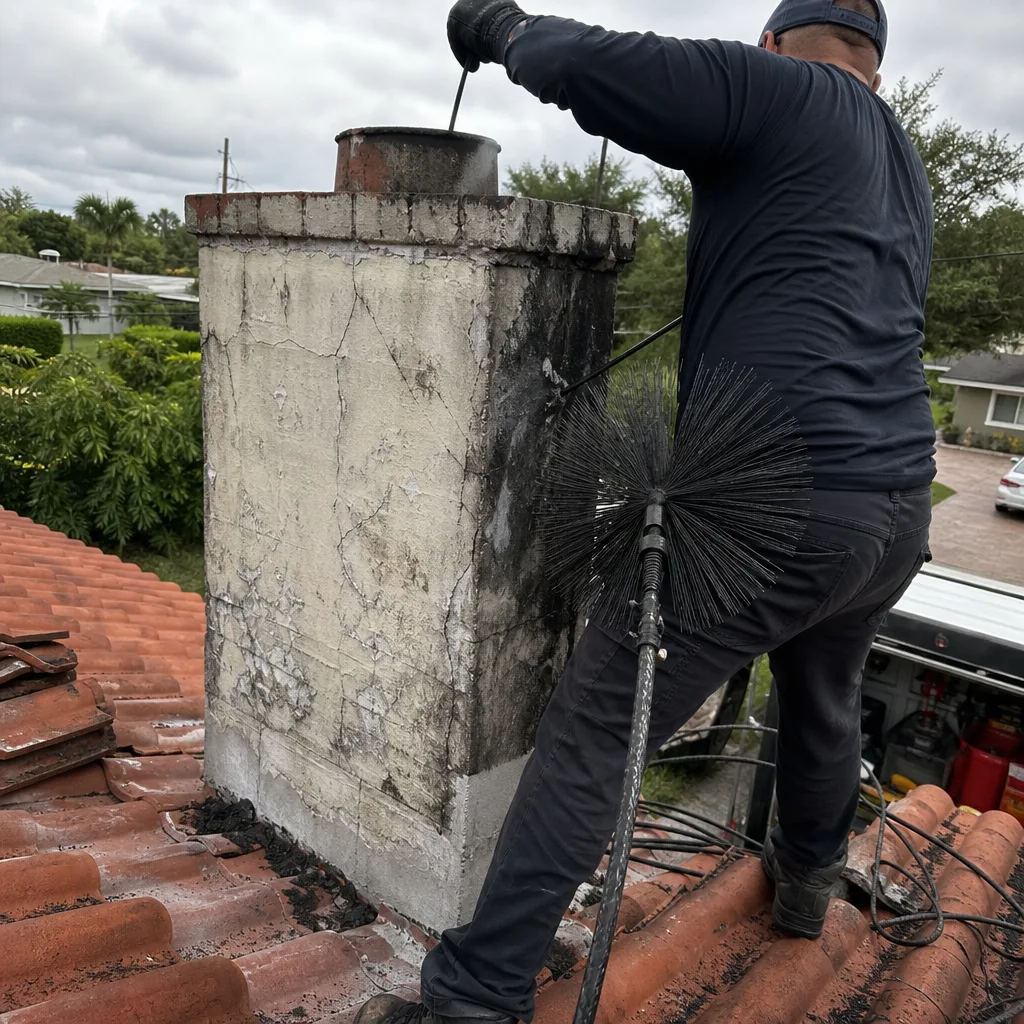 Before
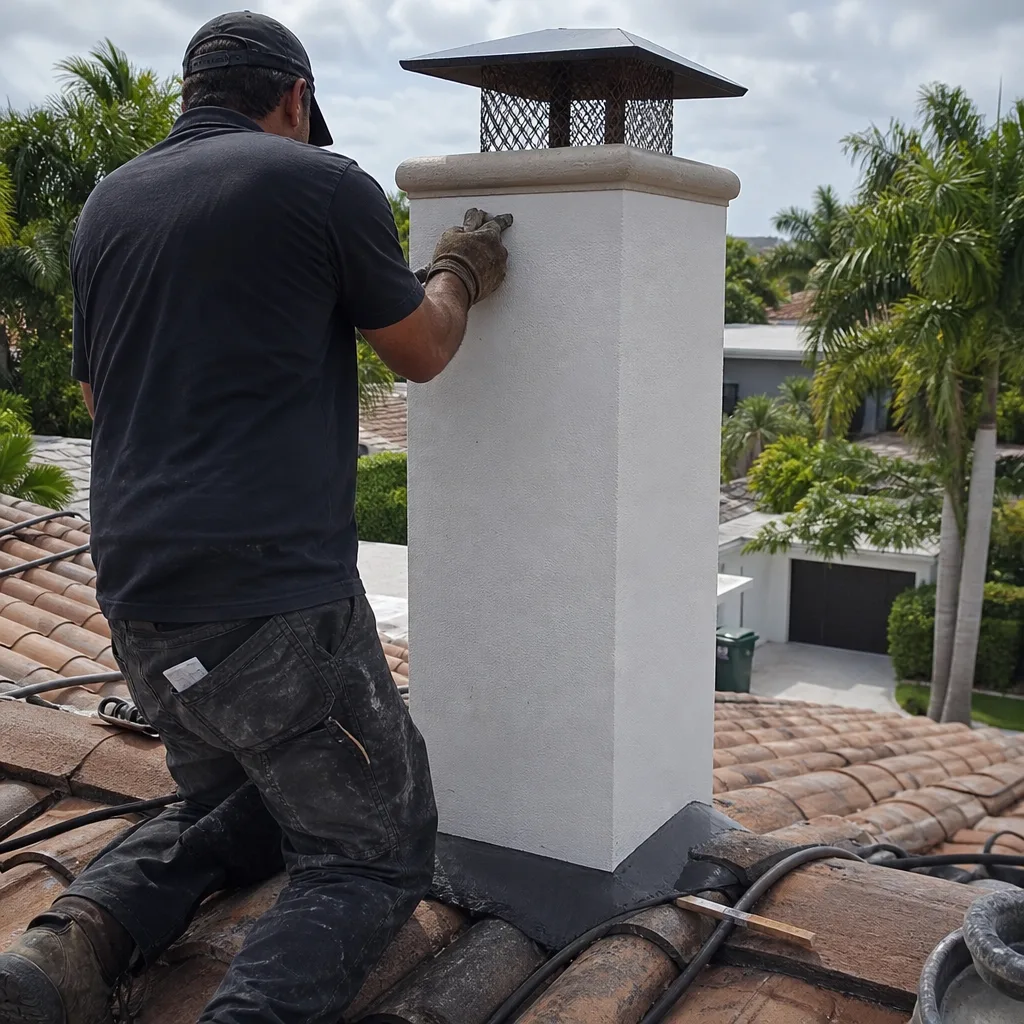 After
After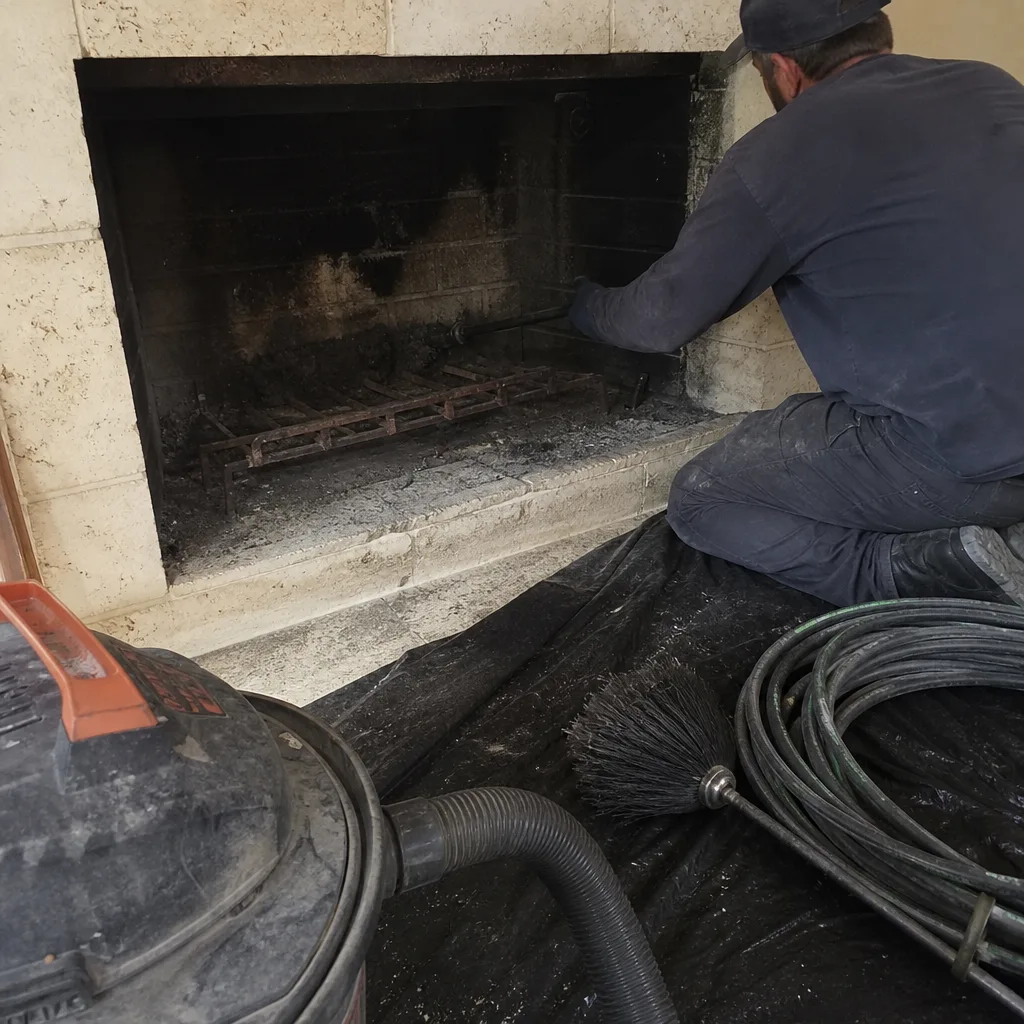 Before
 After
After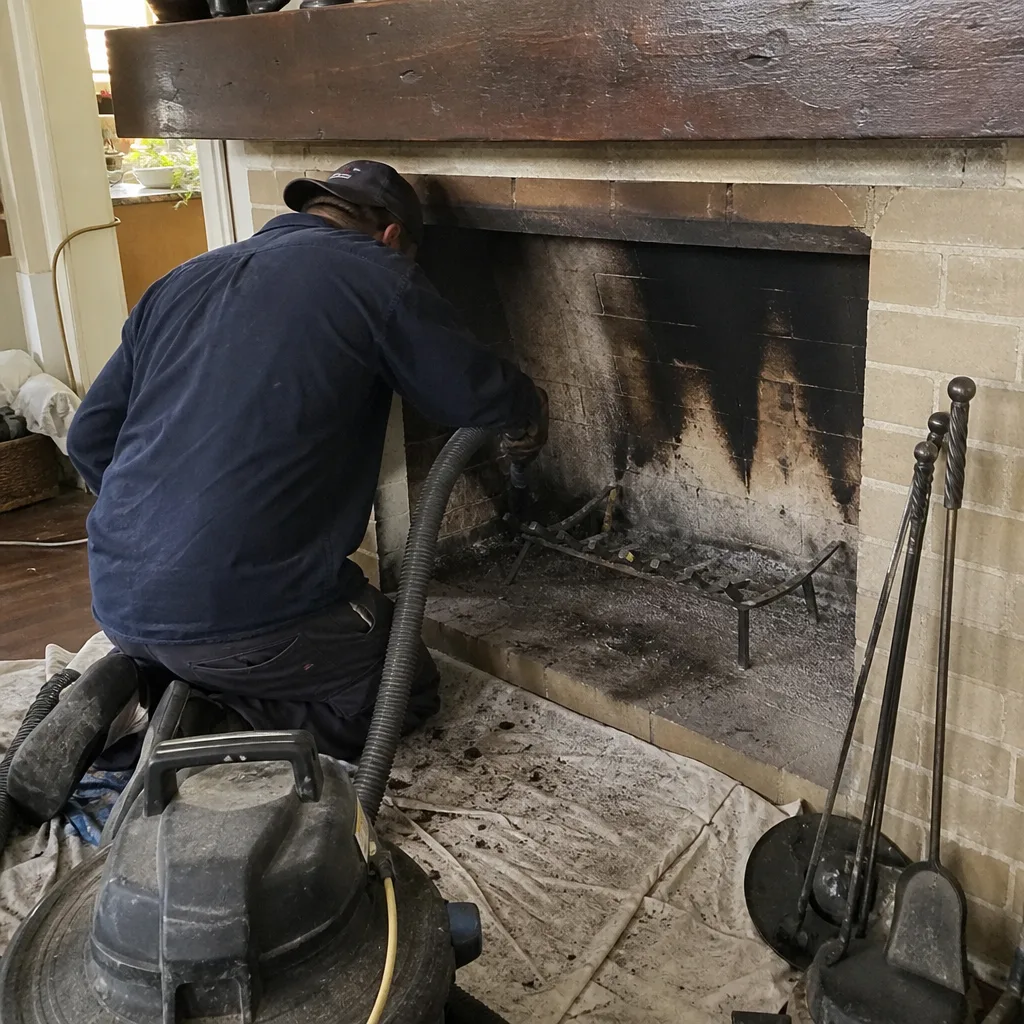 Before
 After
After