
Last updated October 15, 2026
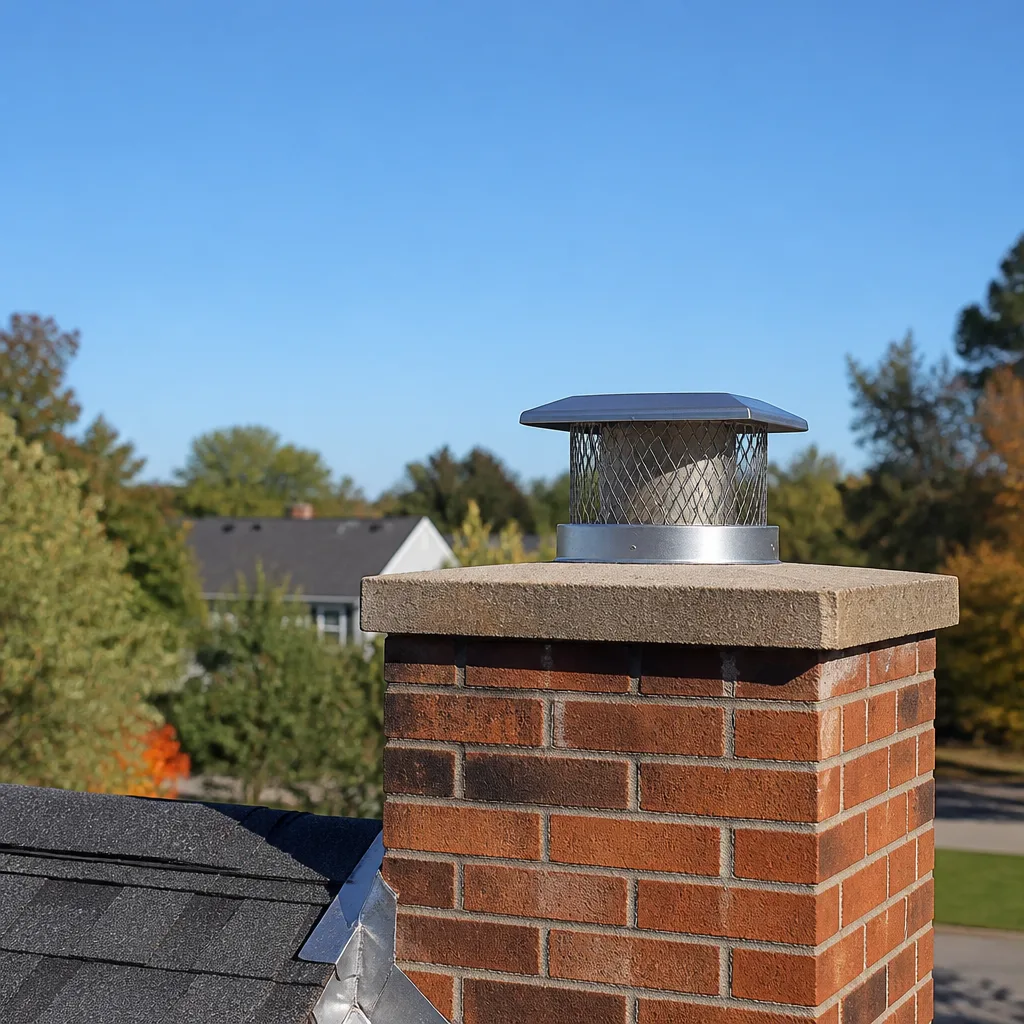 Sweep & inspection
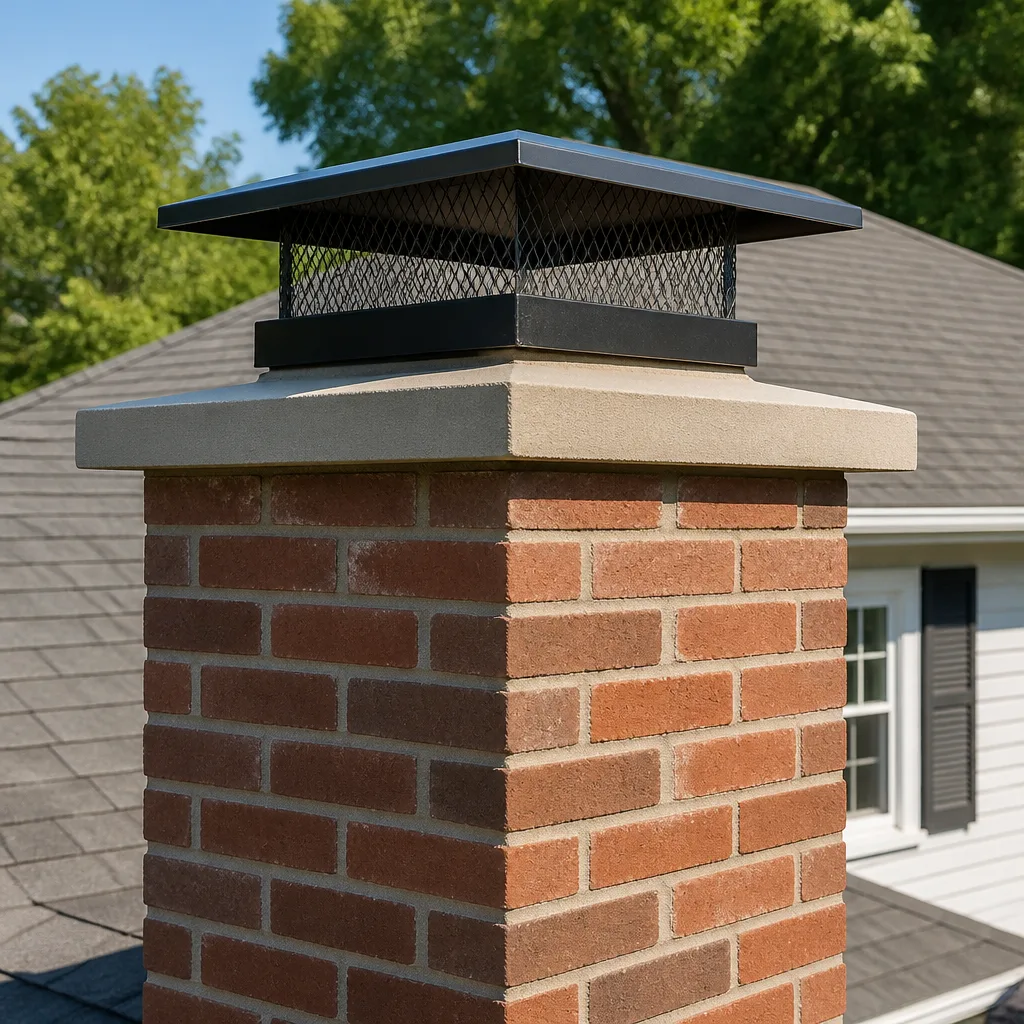 Caps & crowns
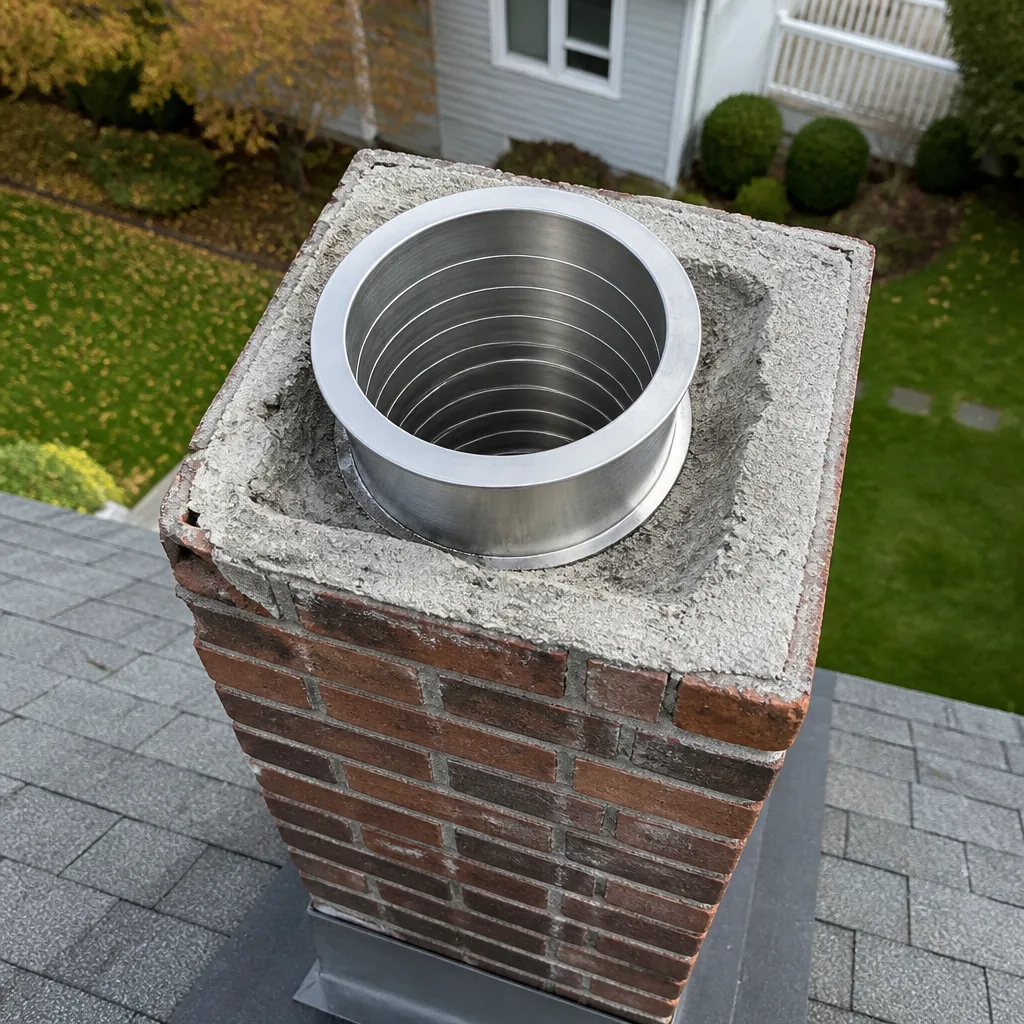 Flue relining
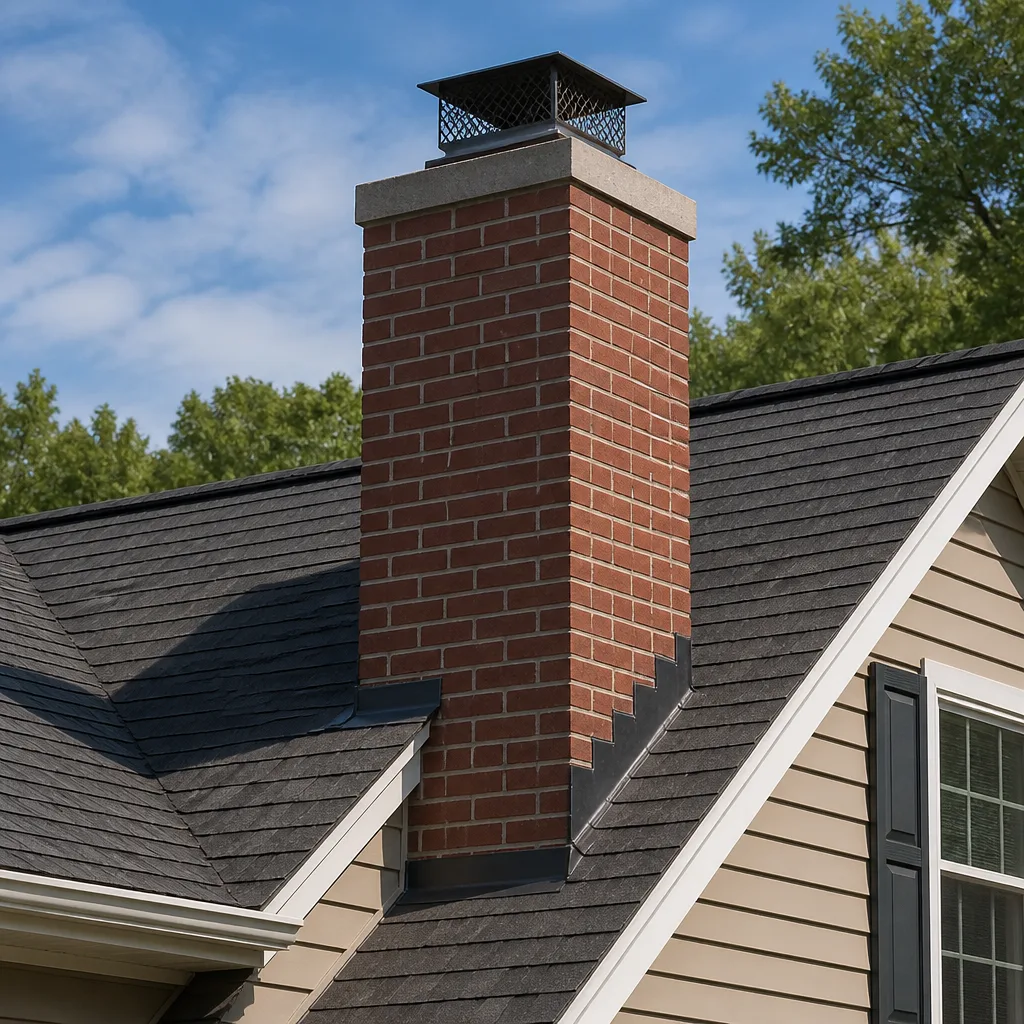 Masonry repair
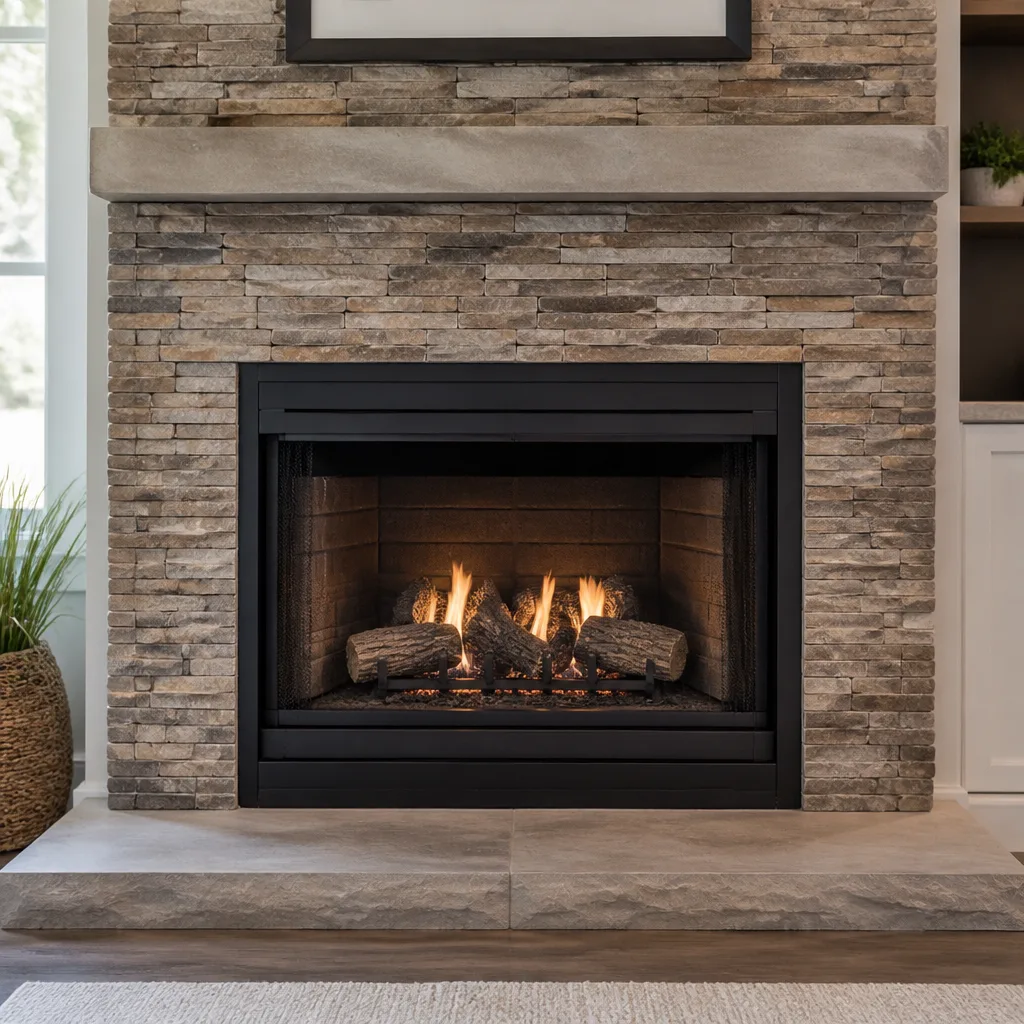 Gas fireplace service
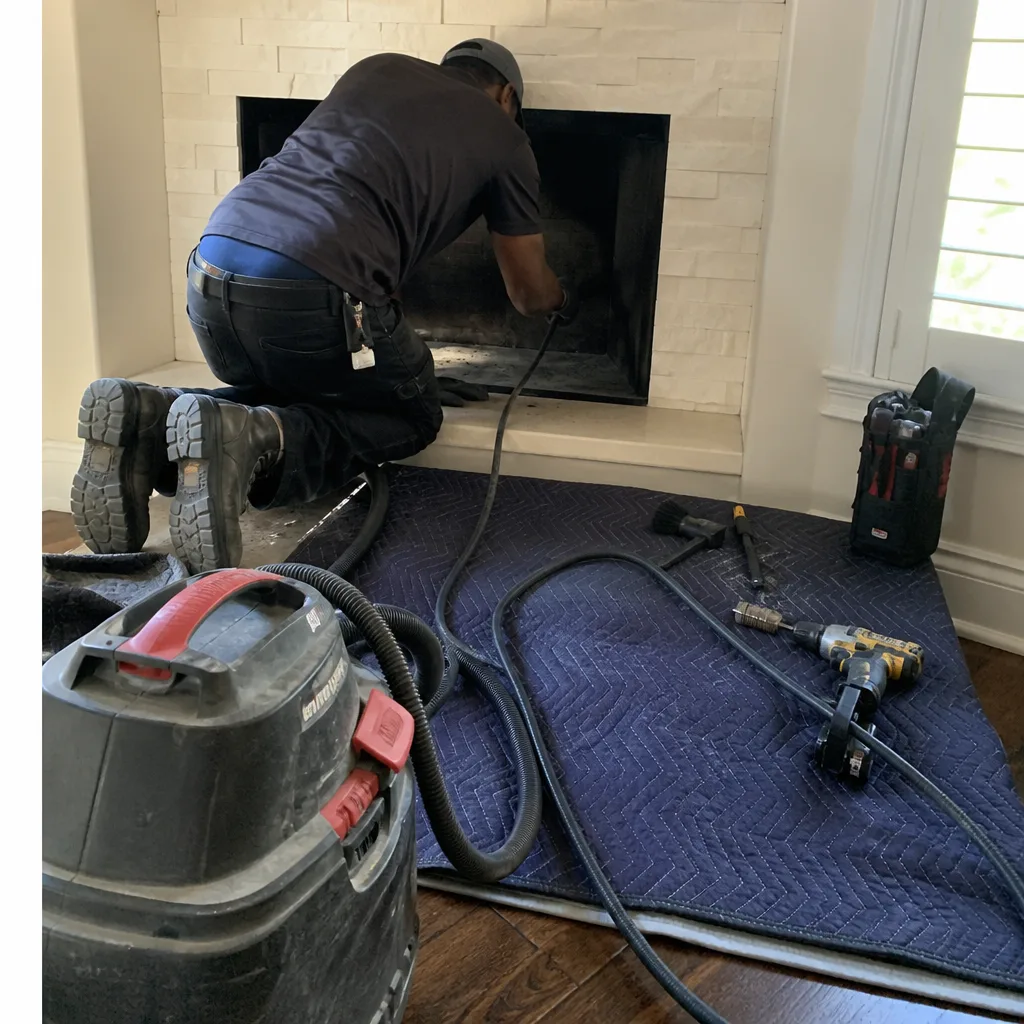
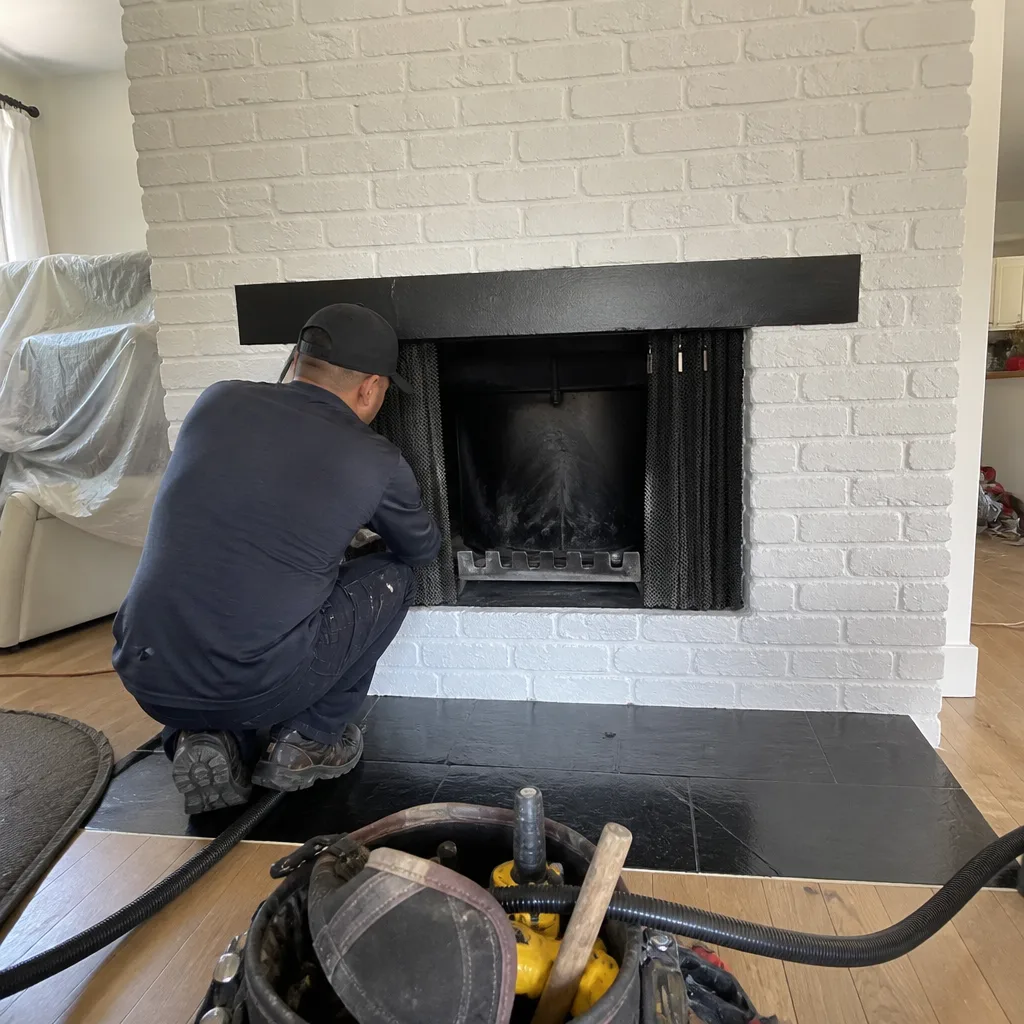
Level 1 sweep and inspection to the NFPA 211 annual standard - flue, crown, cap, and flashing checked and photographed
Chimney sweep logs do not sweep chimneys. They loosen some creosote - which then falls where a brush and vacuum still have to collect it.
Chimney Sweep Maintenance Checklist for Miami Homeowners
If your chimney maintenance checklist starts with “schedule a sweep before Thanksgiving,” it was written for Ohio. In Miami, the annual damage window opens in June when humidity peaks and closes in October when homeowners crack open the damper for the first time and find out what lived inside all summer. This guide is a month-by-month maintenance calendar built for Miami’s wet season, hurricane season, and the brief winter burning window, so you can protect your chimney during the ten months it sits idle and the two months you actually use it.
Styles & brands we work with
Quick Answer
A Miami chimney maintenance checklist should include: a professional chimney sweep and inspection every year before the first winter fire, a pre-hurricane-season check of the cap, crown, and flashing every May, a visual damper seal inspection every September, and a dated written report from the sweep documenting all findings. In Miami, the most important work happens during the ten months the chimney sits idle, not during the two months you burn.
Table of Contents
- Why Miami’s Climate Creates a Different Maintenance Calendar
- The Month-by-Month Miami Chimney Maintenance Calendar
- Pre-Hurricane-Season Checks: Cap, Crown, and Flashing
- How to Inspect a Damper Seal for Humidity Damage
- What to Look for on the Firebox Floor After a Summer of Non-Use
- The One Documentation Step That Protects Your Insurance Claim
- How Much Does a Chimney Sweep Cost in Miami?
- What You Can Check Yourself vs. What Needs a Professional
- Common Mistakes to Avoid
- When to Call a Professional
- Frequently Asked Questions
- The Bottom Line
Why Miami’s Climate Creates a Different Maintenance Calendar
Chimney maintenance guidance written for colder climates assumes a chimney works hard for five or six months and then rests. That logic does not hold in Miami, where the average relative humidity sits above 70% for most of the year and the wet season delivers 40 to 60 inches of rain between May and October. The result is a chimney that faces its most aggressive conditions while it is doing nothing at all.
Humidity is the primary destructive force. Masonry chimneys are porous. When humid air sits inside a flue for months, moisture condenses on the interior walls and soaks into the mortar joints. Over time, that moisture carries salts through the brick and triggers spalling, which is the flaking and crumbling of brick faces that we see regularly on older Miami homes in Coconut Grove, Coral Gables, and Shenandoah. The same humidity warps damper assemblies, rusts cast-iron throat dampers, and creates the damp, dark environment where mold and mildew grow inside the smoke chamber.
The second force is storm activity. Miami’s hurricane season runs from June 1 through November 30, with the highest threat concentrated from August through October. Wind-driven rain penetrates any gap in the chimney cap, crown, or flashing. Once water gets inside the chimney structure, it accelerates every other problem: rust, spalling, liner degradation, and mortar wash-out. A chimney that was perfectly functional in February can be structurally compromised by October.
Then there is the animal factor. Miami’s subtropical ecosystem means chimney swifts, squirrels, raccoons, and even iguanas find their way into uncapped or poorly capped flues during the idle months. The nests, droppings, and carcasses they leave behind block the flue, create a fire hazard, and produce the smell homeowners notice when they first open the damper in November.
The practical takeaway: Miami homeowners need two annual maintenance touchpoints. The first is a pre-hurricane-season exterior check in May. The second is a full professional sweep and inspection before the first winter fire. Everything else supports those two anchors. Our Chimney Sweep in Miami service is built around this rhythm, because it is the rhythm that actually matches how a Miami chimney lives.
The Month-by-Month Miami Chimney Maintenance Calendar
Here is the full twelve-month calendar, calibrated to Miami’s wet and dry seasons. Each month lists only the tasks that matter for that specific time of year.
January and February: Active Burning Months
- Burn seasoned hardwood only. Unseasoned wood produces more creosote, even in the short bursts typical of a Miami fireplace.
- Every two to three fires, visually check the firebox floor for creosote buildup. In Miami’s short burn window, creosote accumulation is less severe than in northern climates, but it still happens. Fresh creosote looks like brown or black tar; stage three creosote looks like a hard, shiny glaze and requires professional removal.
- Listen for unusual sounds from the chimney: flapping, scratching, or chirping. A family of birds can move into a flue within days.
- Keep the damper fully open while burning and closed (not partially open, which is a common mistake) when the fireplace is cold.
March and April: End of the Burning Season
- Schedule your professional chimney sweep and inspection now. The burn season is ending or has just ended, and service availability in Miami is better in March than in November when every homeowner realizes their chimney has a problem. For more detail, see our Chimney Inspection in Miami page.
- After the sweep, verify you receive a written, dated report. This report is important later in the year if you file an insurance claim.
- Close the damper completely once you are done burning for the season. A closed damper reduces the exchange of humid outdoor air with the drier indoor air, which slows condensation inside the flue.
- If you do not use your fireplace at all, conduct a basic visual check of the firebox for anything that fell in over winter: leaves, nesting material, small animal droppings.
May: Pre-Hurricane-Season Exterior Check
- Inspect the chimney cap. It should be present, securely attached, and free of rust or bent mesh. A missing or damaged cap is an open invitation for water, birds, squirrels, and raccoons.
- Inspect the chimney crown. Look for cracks, spalling, or areas where the mortar has separated from the flue liner. Hairline cracks widen under repeated heat and rain cycles.
- Inspect the flashing where the chimney meets the roofline. Look for lifted edges, missing sealant, rust, or visible gaps. Flashing failures are the single most common source of chimney leaks in Miami homes.
- Trim any tree branches that hang within six feet of the chimney. During a storm, branches scrape against the cap and crown and can knock off protective components.
- Document everything with photos. If a storm causes damage later in the year, you have a dated baseline.
June through September: Peak Wet Season
- After any storm with winds over 40 mph or heavy sustained rain, do a quick exterior visual check. Look for missing caps, displaced flashing, or new cracks. Do not climb the roof yourself; a ground-level inspection with binoculars is adequate for this check.
- Check the ceiling and attic around the chimney after heavy rain. Water stains, damp drywall, or musty odors indicate a leak that needs attention before it becomes a structural problem.
- Leave the damper closed. The temptation in summer is to open it for ventilation, but this invites humid air into the flue and accelerates condensation.
- Do not use the fireplace. A fire in the middle of Miami’s wet season adds thermal stress to a chimney that is already saturated with humidity.
October: Pre-Burn-Season Inspection Window
- Open the damper for the first time since spring. Listen for sticks, scratching sounds, or a “crunch” that suggests nesting material.
- Shine a bright flashlight up the flue from the firebox. Look for blockages, heavy creosote staining, or light-obstructing debris. If you see daylight through the top, the flue is at least partially clear; if you see total darkness, something may be blocking it.
- Look at the firebox floor and walls. Details on what to check are in the section below.
- If anything looks off, or if this is the first time the chimney has been professionally inspected in over a year, schedule a sweep and inspection now. Do not wait until the first cold snap when every Miami chimney company is booked solid.
November and December: First Fires
- Start your first fire small. The first fire of the season is when a hidden problem announces itself: smoke backing into the room, an odor that is stronger than expected, or water dripping from the flue. A small first fire limits the scale of any problem.
- Watch the smoke. It should draw up the flue cleanly. If smoke curls back into the room, close the damper slightly and check the flue for obstructions; if the problem persists, stop using the fireplace and schedule an inspection.
- Verify the damper closes fully after every fire. A damper that has warped over the summer may not seat fully, which draws conditioned air out of the house all winter.
Pre-Hurricane-Season Checks: Cap, Crown, and Flashing
Hurricane season in Miami is not a storm that happens once. It is a six-month period during which sustained winds and driving rain test every exterior component of a home. The three chimney components most exposed to storm damage are the cap, the crown, and the flashing. Each plays a specific role, and each fails in a specific way.
The cap is the metal or masonry cover at the very top of the chimney. It keeps rain, animals, and debris out of the flue. In our experience across Miami, a cap that is missing or damaged is the single biggest predictor of animal entry and water intrusion during hurricane season. A standard stainless steel cap costs roughly $120 to $300 installed in the Miami market. A cap with a spark arrestor mesh, which is worth having, runs $180 to $400 depending on flue size and roof accessibility.
The crown is the concrete or mortar slab that caps the chimney structure itself. It directs water away from the flue and toward the roof. Cracks in the crown allow water to soak into the chimney masonry, which leads to spalling and, eventually, structural instability. A crown repair or replacement typically runs $400 to $1,200 in Miami, depending on the size of the chimney and the condition of the underlying masonry.
The flashing is the metal transition between the chimney and the roof. It is the most exposed component and the most common leak source. Flashing in Miami fails because of thermal expansion, UV degradation of the sealant, and physical displacement from wind. A flashing repair typically costs $300 to $800, while a full flashing replacement can run $800 to $2,000 depending on roof type and chimney size.
Here is the pre-hurricane-season checklist, step by step:
- Stand at ground level and visually inspect the cap using binoculars. Confirm it is present, centered, and shows no visible rust.
- Check the crown for visible cracks or separated mortar. Hairline cracks are hard to see from the ground; if you cannot confirm the crown is in good shape, have it professionally inspected.
- Check the flashing around the roofline for lifted edges, missing sealant, or visible rust. If your roof is steep or you are not comfortable on a ladder, this is a professional inspection item.
- After the first heavy rain of the season, check the ceiling and attic around the chimney for water stains.
- Document findings with dated photos. If a storm later causes damage, these photos establish the pre-storm condition.
For homeowners who want these checks handled by a trained eye rather than a pair of binoculars, our Chimney Repair in Miami service includes an exterior component inspection as part of every visit. If something is wrong, the repair gets a written price before any work starts.
How to Inspect a Damper Seal for Humidity Damage
Miami’s humidity does more damage to dampers than any other condition in the country. A damper is a simple mechanism: a metal plate or set of plates that opens to allow smoke out and closes to seal the flue. What humidity does to that mechanism, month after month, is warpage and corrosion. A warped damper does not seat fully, which means the chimney is never truly closed even when you think it is, which means your air-conditioned air is leaking out of the house all summer.
Here is how to inspect your damper without professional tools:
- Open the damper fully and look at the metal edges for rust bloom, which is the orange-brown crust that forms when cast iron or steel sits in humid air for months.
- Close the damper and look for visible gaps between the plate and the frame. Any gap wider than the thickness of a credit card means the seal is compromised.
- With the damper closed, shine a flashlight into the seam from below. If you can see light passing through the closed seam, the damper is warped.
- Operate the damper handle through its full range of motion. It should move smoothly without grinding, sticking, or excessive play. A handle that has gone stiff likely indicates corrosion in the pivot mechanism.
- Feel for air movement. On a hot day with the air conditioning running, place your hand near the closed damper. A cool draft indicates conditioned air is escaping up the flue.
A damper replacement in Miami typically costs $250 to $600 for a standard throat damper, and $400 to $1,500 for a top-sealing damper, which is the better long-term choice for humid climates because it creates a compression seal at the top of the flue and dramatically reduces humidity exchange during the summer. Top-sealing dampers are particularly effective at keeping outdoor humidity out of the flue during Miami’s wet season.
If your damper shows any of the failure signs above, do not attempt a DIY repair. A damper that does not seal is not just an efficiency problem; it is a fire safety problem if the flue is drawing and the damper is stuck open. Have it inspected and replaced by a professional.
What to Look for on the Firebox Floor After a Summer of Non-Use
The firebox floor is the part of the chimney that tells you the most about what happened while you were not looking. In Miami, a chimney that sits unused from March through October becomes a collection point for several types of evidence, and each one indicates a different problem.
Efflorescence lines: Efflorescence is a white, powdery deposit that appears on masonry when water moves through it and carries dissolved salts to the surface. In Miami, it shows up most often as white streaks on the firebox floor or lower walls. Efflorescence means water is entering the chimney somewhere above, either through a cracked crown, failing flashing, or a damaged cap. The moisture moves down through the masonry and deposits its salt load wherever it evaporates. If you see efflorescence on the firebox floor, the source of the water is not in the firebox; it is somewhere higher up. This is a job for a Chimney Inspection in Miami with a camera that can trace the water entry point.
Organic growth: Mold, mildew, and moss are rare in an actively used fireplace but common in a Miami fireplace that sits dark and humid for months. You may see black spots on the firebox walls, light green fuzz on the floor, or smell a musty odor. Organic growth in the firebox indicates the flue is drawing humid air in through a compromised damper or a gap in the chimney structure. It should be cleaned professionally before the first fire, not just visually removed; burning over mold does not eliminate the moisture conditions that caused it.
Animal evidence: Miami has an active urban wildlife population, and an uncapped or damaged chimney is a known entry point. Look for nesting material (twigs, dried grass, fabric fibers), droppings, and shed fur or feathers. A chirping or scratching sound from the chimney is a separate sign, but it is often the first thing homeowners notice. If you find animal evidence, do not attempt to remove the animal yourself. Schedule a professional inspection to identify the entry point, then have a proper chimney cap installed. Raccoons and squirrels can carry diseases, and their droppings can contain histoplasmosis spores, which are a respiratory hazard if disturbed.
Creosote residue from last season: If you burned fires last winter and did not sweep the chimney afterward, the firebox floor will show a chalky brown or flaky black coating. This is what remains of the creosote that did not burn off. It is a fire hazard and should be removed before the next burn season. In Miami, our burn windows are short, so creosote buildup is lower than what you see in northern fireplaces that burn daily for five months. But a layer that has sat in a humid environment for six months can harden and bond, making it harder to remove and more dangerous to leave.
The One Documentation Step That Protects Your Insurance Claim
Most Miami homeowners think of chimney maintenance as a safety and comfort issue. It is. But it is also an insurance documentation issue, and most homeowners discover this only after a claim has been denied or delayed.
The step is simple: every professional chimney sweep or inspection should produce a dated, written report that documents the condition of the chimney at the time of service. Not a verbal summary. Not a receipt with a price and no detail. A written report that notes the condition of the flue liner, the presence or absence of creosote, the condition of the cap, crown, and flashing, and any recommended repairs.
Here is why this matters in Miami specifically:
- Hurricane and storm damage claims. If a storm damages your chimney or roof flashing, your insurance carrier will want to know the condition of those components before the storm. A dated inspection report from May, before hurricane season, is direct evidence that the chimney was in good condition, which strengthens a claim for storm-related damage.
- Chimney fire claims. If a chimney fire occurs, the carrier will almost certainly ask whether the chimney was professionally swept and inspected before the season. A written report dated before the burn season is the evidence that the homeowner maintained the chimney. Without it, the homeowner is left arguing that they “thought” it was clean.
- Water damage claims. If a leak has caused ceiling or drywall damage, the carrier will want to know whether the leak source was a maintenance failure or a sudden event. A report that notes a sound crown and flashing before the leak occurred supports the homeowner’s case.
At Flint Chimney Co Miami, every sweep and every inspection includes a written report as standard practice. Not an add-on. The report is dated, specific, and kept on file. If you ever need it for an insurance claim, it is available. This is part of the reason we document everything before a single tool comes off the truck. The report is the proof that the work was done and the condition was documented.
How Much Does a Chimney Sweep Cost in Miami?
A standard chimney sweep in Miami typically costs $180 to $320 for a single flue, masonry fireplace, and most homes in the area fall within that range. The final price depends on the flue size, the amount of creosote buildup, roof accessibility, and whether the previous sweep was recent or years ago. Add-on services, such as a camera inspection, increase the total.
For clarity, here is the standard pricing structure Miami homeowners should expect:
| Service | Typical Miami Price Range |
|---|---|
| Standard chimney sweep (single flue, masonry fireplace) | $180 – $320 |
| Chimney inspection (Level 1, visual) | $100 – $250 |
| Chimney inspection (Level 2, with camera) | $250 – $500 |
| Chimney cap replacement (stainless steel, installed) | $180 – $400 |
| Damper replacement (throat damper, standard) | $250 – $600 |
| Damper replacement (top-sealing, better for Miami humidity) | $400 – $1,500 |
| Crown repair or replacement | $400 – $1,200 |
| Flashing repair | $300 – $800 |
| Flashing replacement (full) | $800 – $2,000 |
These are Miami market ranges based on what we see across the city. A company that quotes significantly below these numbers is usually cutting a corner: skipping the drop cloths, skipping the HEPA vacuum, skipping the written report, or skipping the inspection that should accompany every sweep. A company that quotes significantly above these numbers should be able to tell you exactly why.
At Flint Chimney Co Miami, the price you approve before any work starts is the price on the invoice. No line items added during the job, no “while we were in there” surprises, no vague workmanship add-ons. Every sweep includes a written report. Every repair includes a written 365-day guarantee under our Done Right Promise. If a covered repair fails within a year, we return and fix it at no charge. That guarantee is in writing, every time.
What You Can Check Yourself vs. What Needs a Professional
The realistic division of labor in Miami is this: the homeowner checks what can be checked from the ground or from the firebox with a flashlight, and the professional handles anything that requires a ladder, a camera, or a tool that touches the flue. Here is the honest split.
Checks you can do yourself:
- Visual cap check with binoculars from the ground
- Damper operation and seal check from inside the firebox
- Firebox floor inspection for efflorescence, organic growth, and animal evidence
- Ceiling and attic moisture check after heavy rain
- Smoke draw test on the first fire of the season
Work that needs a professional:
- Any roof-level work, including cap, crown, and flashing inspection
- Flue interior inspection with a camera
- Creosote removal, including stage three glaze removal
- Animal removal and cap installation
- Damper replacement, crown repair, flashing repair, or any masonry work
- Flue relining, which we handle with professional-grade liners from trusted trade brands like DuraFlex and HeatShield, the same brands used by full-time chimney contractors nationwide
A chimney sweep is not a place to save money by watching a YouTube video. The flue is a confined space that runs from the firebox to the roof. If a creosote fire starts in an uncleaned flue, it burns hot enough to crack the liner and spread into the structure. The professional standards exist because the alternative is genuinely dangerous. A proper sweep by a trained technician with professional equipment costs less than one visit from a fire restoration company.
Common Mistakes to Avoid
- Following a northern climate maintenance calendar. Scheduling a sweep in September because “that is what everyone does” ignores the fact that Miami’s damage window runs from June to October. The sweep should happen in spring, after the burn season ends, so the chimney is clean before it sits in the humid environment that turns creosote into a hardened glaze.
- Opening the damper in summer to “air out” the chimney. This is the single most common mistake we see in Miami. Opening the damper in summer draws humid outdoor air into the flue and fills the smoke chamber with condensation. Keep the damper closed during the wet season.
- Ignoring a missing or rusted chimney cap. A cap costs a few hundred dollars. The damage caused by water and animals entering an uncapped flue over a single wet season routinely runs into the thousands. This is the cheapest intervention with the highest return.
- Burning unseasoned wood. In Miami, homeowners often burn whatever is available, including construction scrap or green branches after a storm. Green wood produces high-moisture smoke that deposits creosote much faster than seasoned hardwood. Even in a short burn season, a few fires with green wood can create a creosote problem that requires professional removal.
- Skipping the written report. An oral “everything looks good” from a sweep is worth nothing if a problem arises later. The written, dated report is the only evidence that documents the chimney’s condition. If a company will not provide one, find a different company.
- Waiting until November to schedule a sweep. In Miami, every chimney company is overwhelmed in November and December. The spring months offer better availability, often at a better price, and the chimney is protected for the entire wet season that follows.
- Assuming a new house has a clean chimney. In a Miami real estate transaction, chimney inspections are often skipped because fireplaces are seen as decorative. We have swept chimneys in newly purchased homes that contained years of creosote, animal nests, and one memorable case of a fully blocked flue. A chimney inspection should be part of every home purchase, even in Miami.
When to Call a Professional
Call a professional if you see efflorescence on the firebox floor, if the damper does not close fully, if you hear animal sounds from the chimney, if smoke backs into the room on the first fire of the season, if you find water stains on the ceiling or attic around the chimney after rain, or if the chimney has not been professionally swept in over a year. Do not attempt roof-level work, animal removal, or creosote removal yourself. Flint Chimney Co Miami offers free estimates in Miami. Call (786) 305-7861 to schedule a sweep or inspection. A background-checked, uniformed technician will arrive at the scheduled time, and the written price is delivered before any work begins. The phone is answered by a live person, around the clock, every day of the year.
Frequently Asked Questions
Once per year, even if you only burn a few fires each season. Miami’s humidity creates conditions that harden creosote and promote mold growth inside the flue during the idle months, which means the annual sweep is as much about the wet season as it is about the burn season. Call (786) 305-7861 to schedule your annual sweep and get a written price before any work starts.
The honest answer is that the only way to know is through a camera inspection that shows you the liner’s condition. At Flint Chimney Co Miami, we do not recommend a new liner unless the camera evidence is clear: cracks, gaps between flue tiles, or spalling that has exposed the masonry behind the liner. If the liner is damaged, brands like DuraFlex and HeatShield offer repair solutions that professional chimney contractors use nationwide. And every liner repair we perform carries a written 365-day guarantee. If a covered repair fails within the year, we return and fix it at no charge.
In Miami’s climate, the most likely outcomes are water intrusion through a failed crown or flashing, animal entry through a missing cap, and creosote hardening into a glaze that is more expensive to remove. Each of these problems starts quietly and becomes expensive over time. A skipped maintenance routine on a Miami chimney typically becomes a $1,000 to $3,000 repair within three to five years of neglect. The annual sweep and inspection, by contrast, runs under $400 for most Miami homes.
You can inspect the firebox floor and damper from inside the house, but a proper flue cleaning requires professional equipment and training. Creosote removal from a flue interior is not a homeowner job; the risks include chimney fire, carbon monoxide exposure, and structural damage from improper tools. In our experience, homeowner attempts at sweeping usually end with a professional being called anyway, often after some portion of the mess has been spread through the living room. Call (786) 305-7861 for a written quote instead.
A top-sealing damper is the better choice for Miami’s climate because it seals at the top of the flue with a compression gasket, which dramatically reduces humidity exchange during the wet season. Throat dampers, the older standard, warp and corrode in humid air and rarely seal completely after a few Miami summers. A top-sealing damper replacement typically runs $400 to $1,500 in the Miami market, installed.
Insurance coverage depends on the cause of the damage, and the presence or absence of maintenance documentation often determines the outcome of a claim. Storm damage to a cap or flashing is typically covered if the chimney was in documented good condition before the storm. Damage from long-term neglect, such as a collapsed flue liner that has clearly been deteriorating for years, is often denied. That is the reason we provide a written, dated report with every sweep and inspection. That report is the documentation your carrier will ask for. For an exact quote on a sweep or inspection, call (786) 305-7861.
The Bottom Line
The Miami chimney maintenance calendar runs on a different clock than the rest of the country. In Miami, the chimney takes its worst damage during the months it sits idle, not the months it burns. The wet season from June through October, the hurricane season that overlaps it, and the brief winter burn window each impose specific tasks. A pre-hurricane-season cap, crown, and flashing check in May, a spring sweep with a written report, a damper seal inspection every fall, and a disciplined first-fire routine in November are the pillars. Each of these tasks is cheap relative to the alternatives. A professional sweep in Miami runs under $400 for most homes. A neglected chimney repair runs into the thousands. One dated written report can make the difference between a covered insurance claim and a denied one. If you are a Miami homeowner looking for a chimney company that puts the price in writing before the work starts and backs every repair with a written one-year guarantee, call us. The number is (786) 305-7861, a live person answers, and the estimate is free.
For more on our chimney services in Miami, start at our Flint Chimney Co Miami home page, or read the detailed guides on Chimney Sweep in Miami, Chimney Inspection in Miami, and Chimney Repair in Miami.
Written by Hank Delano, Owner at Flint Chimney Co Miami, serving Miami since 2002.
See the difference
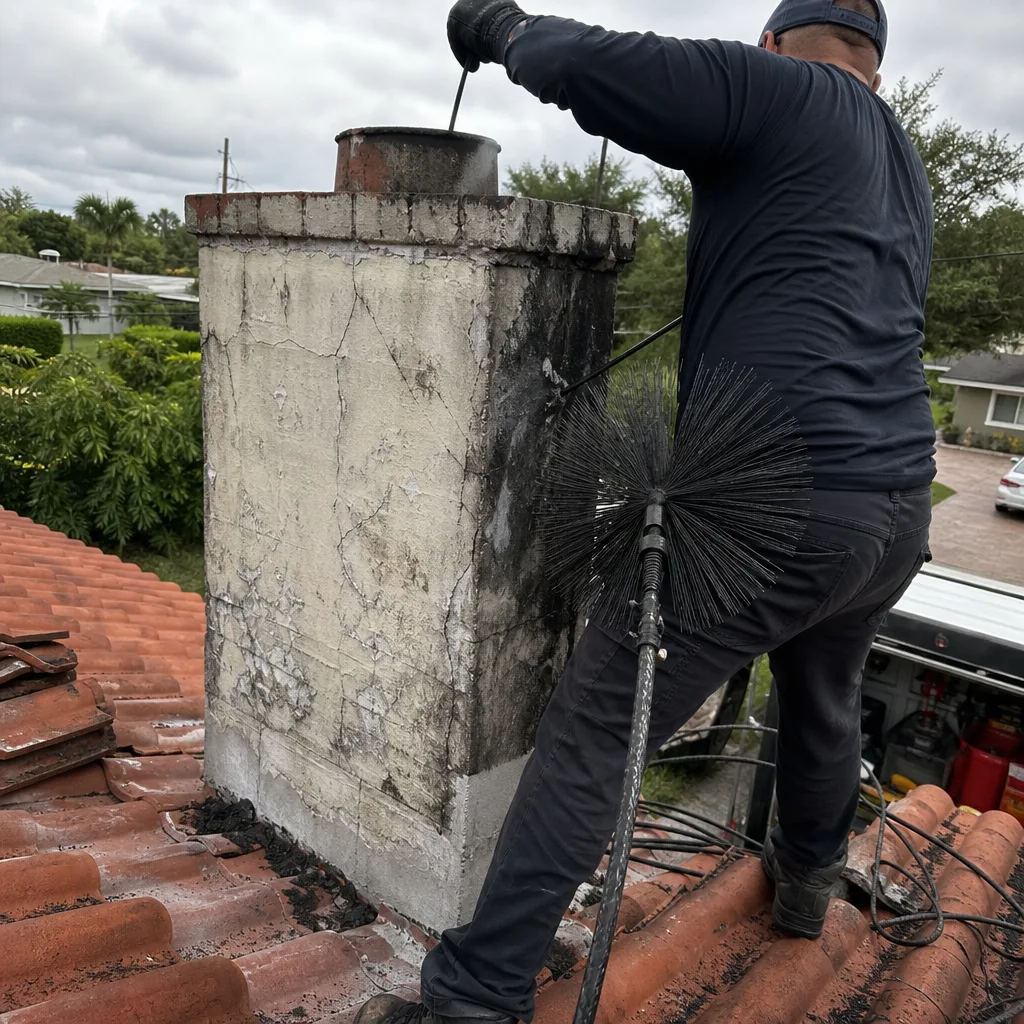 Before
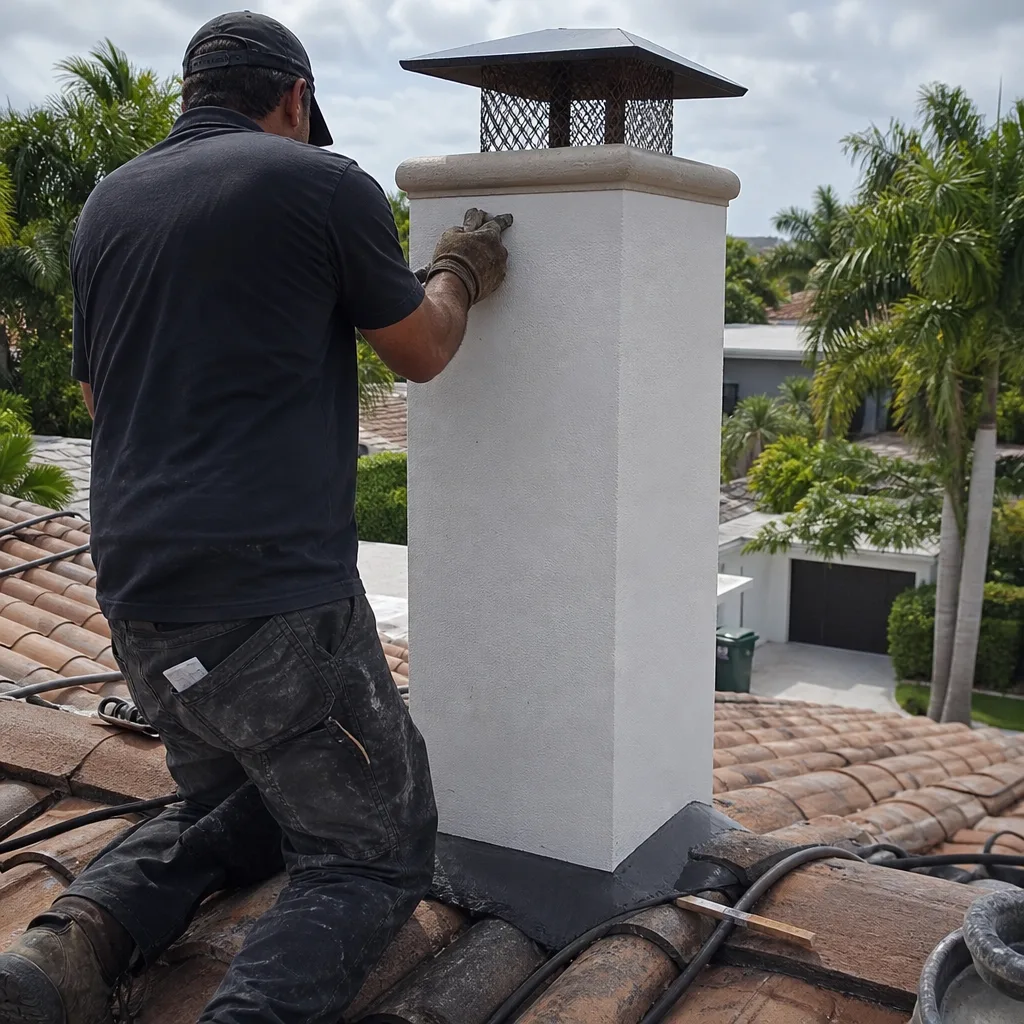 After
After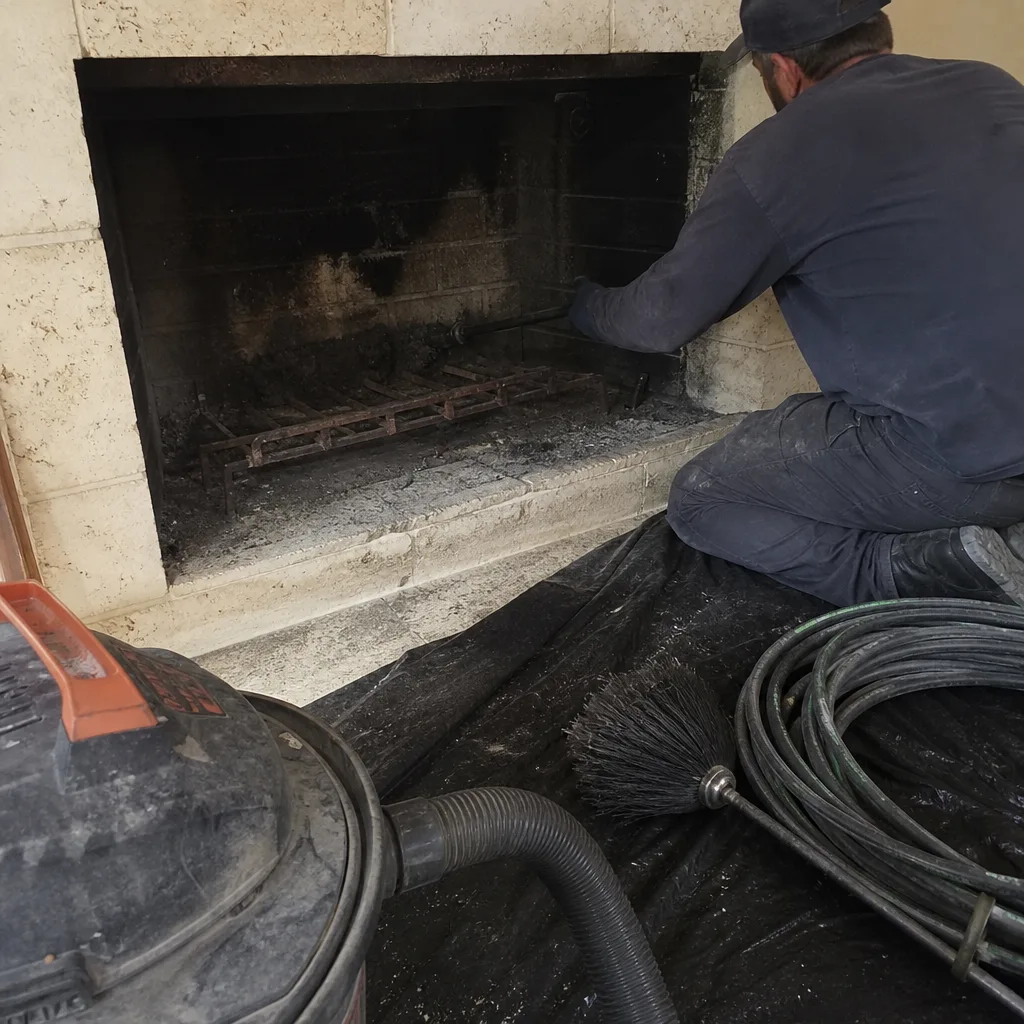 Before
 After
After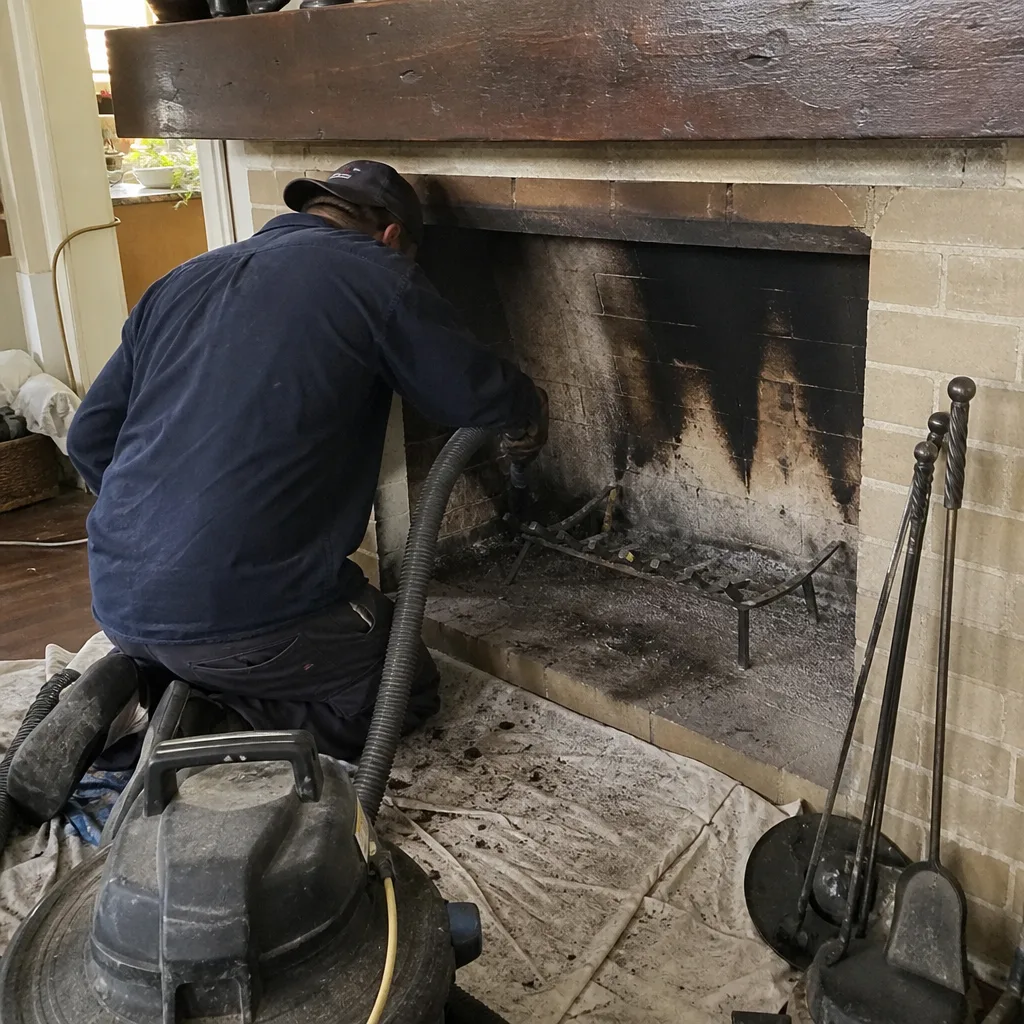 Before
 After
After