
Last updated October 15, 2026
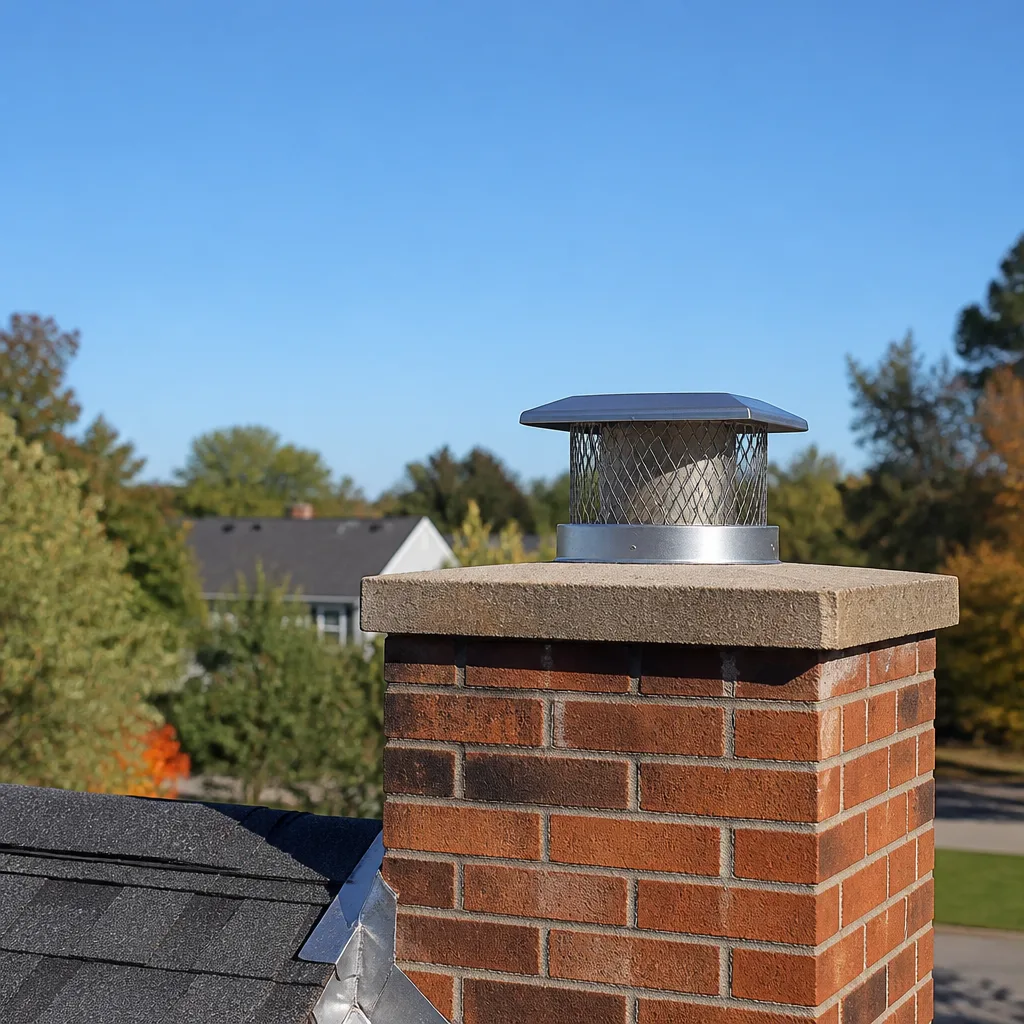 Sweep & inspection
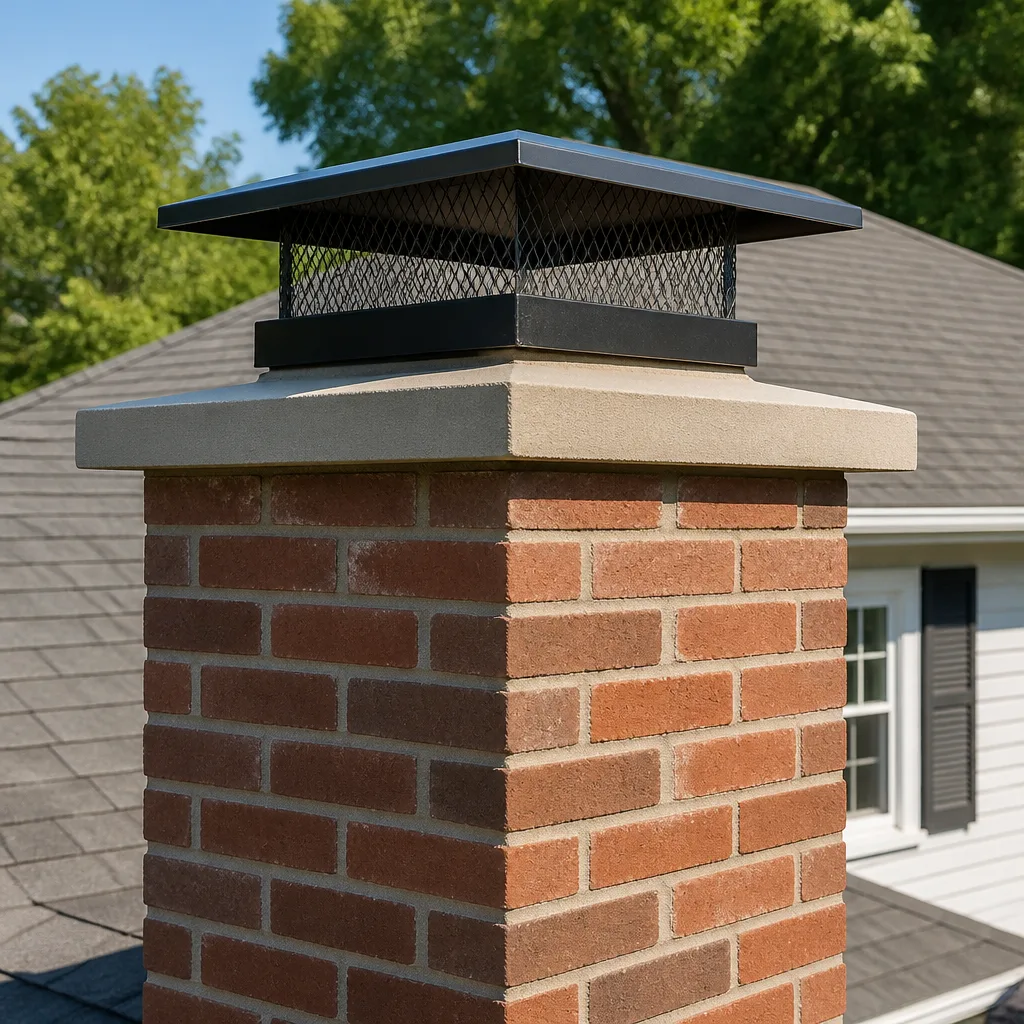 Caps & crowns
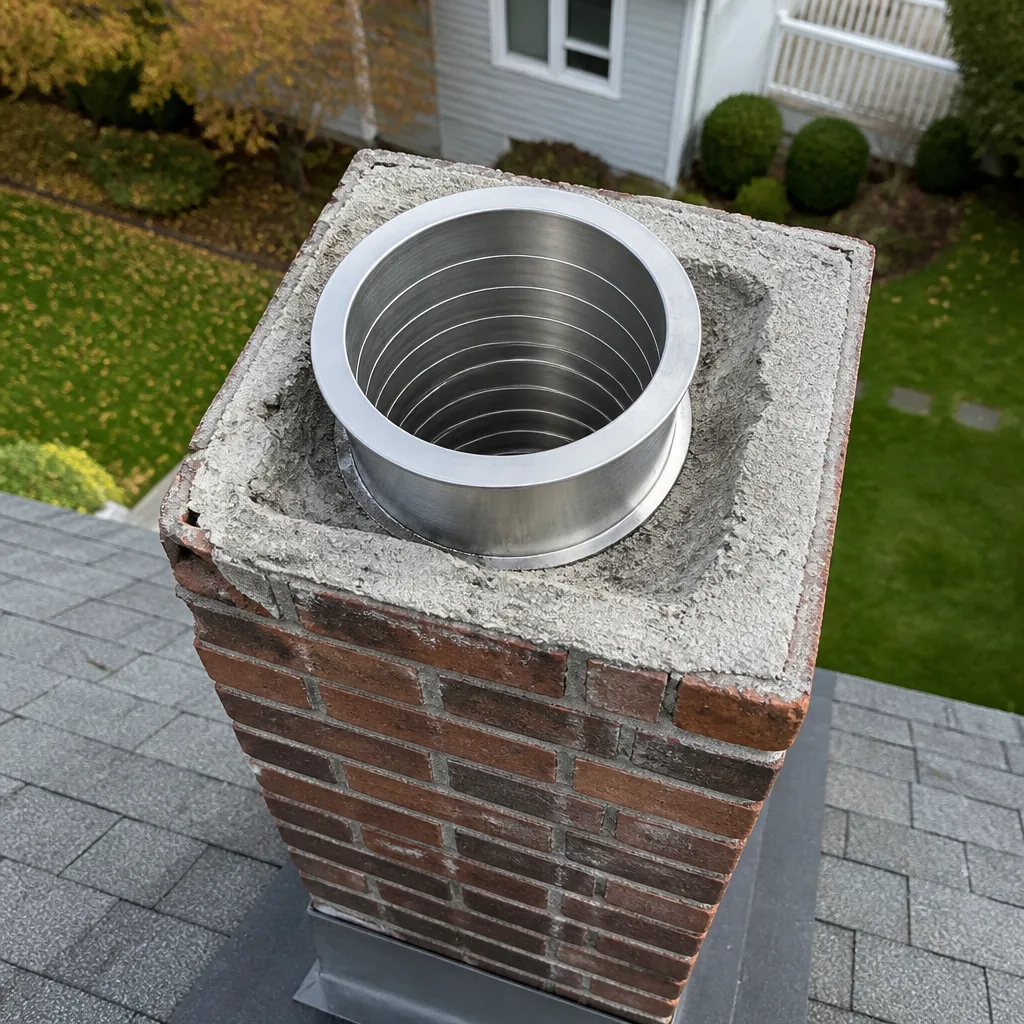 Flue relining
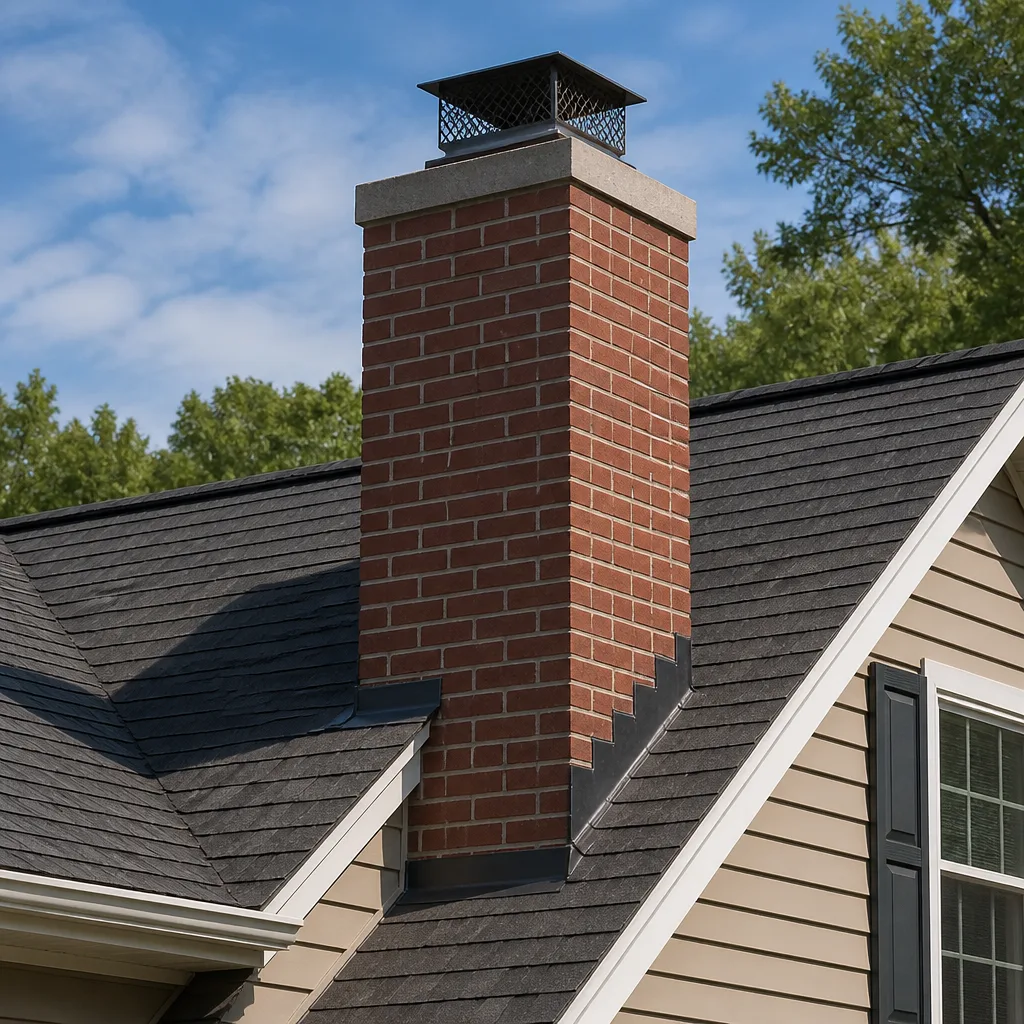 Masonry repair
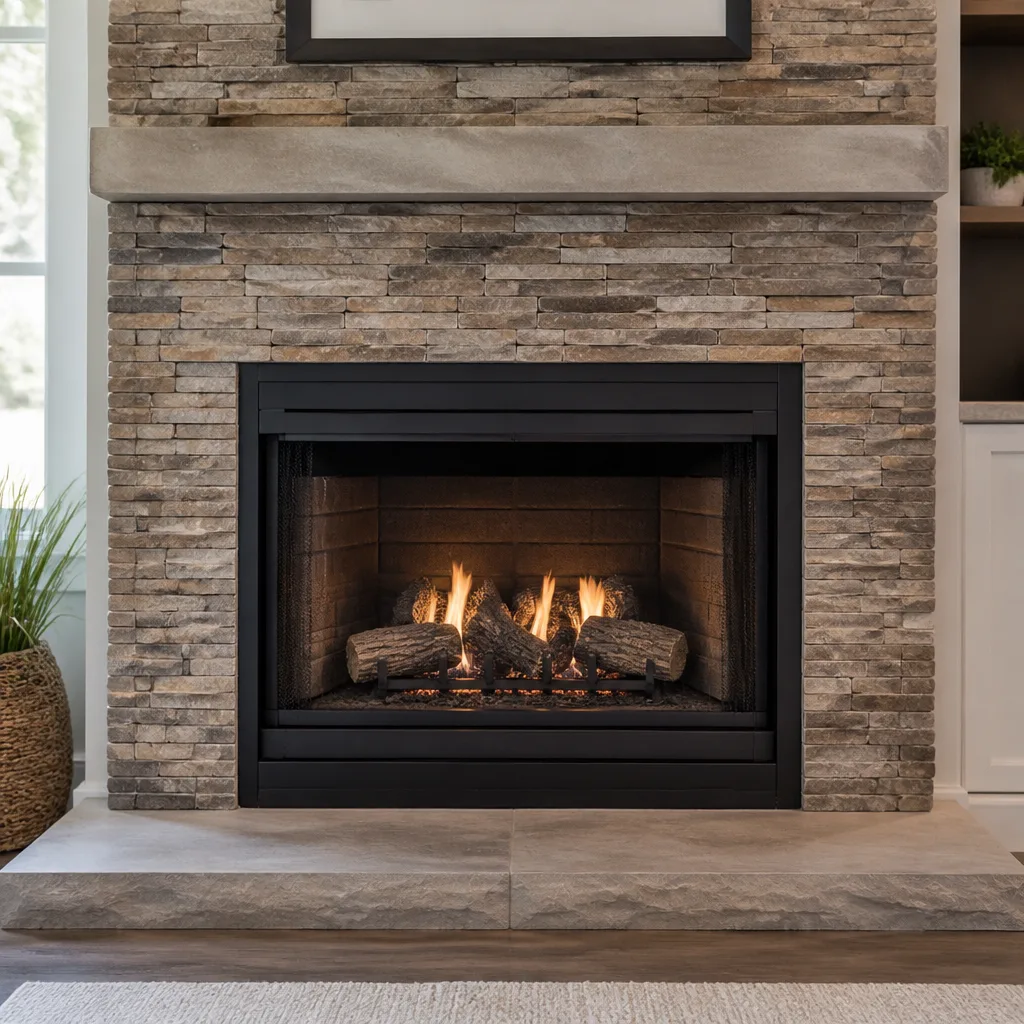 Gas fireplace service
Level 1 sweep and inspection to the NFPA 211 annual standard - flue, crown, cap, and flashing checked and photographed
Chimney sweep logs do not sweep chimneys. They loosen some creosote - which then falls where a brush and vacuum still have to collect it.
Chimney Cleaning Cost Breakdown: The Miami Homeowner’s Reference for 2026
A $75 chimney cleaning quote in Miami and a $299 chimney cleaning quote are rarely the same job with a different markup. One of them comes with a written scope, a certified technician, a camera inspection of the flue liner, and a signed guarantee. The other comes with a leaflet left in your mailbox. This guide breaks down exactly where every dollar goes in a Miami chimney cleaning, what separates a legitimate sweep from a drive-by dusting, and what you should demand in writing before anyone puts a ladder against your house. For chimney cleaning warning signs every Miami homeowner should know, see our dedicated reference.
Styles & brands we work with
Quick Answer
A standard chimney sweeping in Miami typically costs between $150 and $250 in 2026, while a full-service cleaning with a Level 2 camera inspection runs $300 to $450. The gap between a $75 quote and a $299 quote almost always comes down to what is written down before the work starts: whether the cap gets checked, whether the firebox is included, and whether the inspection is done with a camera or a flashlight. A written, fixed-price estimate with a defined scope is the single best protection against paying twice for the same job.
Table of Contents
- What a Standard Chimney Cleaning Actually Includes
- 2026 Miami Price Ranges by Service Tier
- Where the Low Bid Cuts Corners
- Written Estimates vs. “Starting At” Quotes
- What a One-Year Written Guarantee Is Worth
- How Miami Climate Affects Chimney Wear
- Common Mistakes to Avoid
- When to Call a Professional
- Frequently Asked Questions
- The Bottom Line
What a Standard Chimney Cleaning Actually Includes
Most Miami homeowners assume a chimney sweep means one thing: a guy with a brush. The reality is that a legitimate cleaning is a multi-step process, and every step has a line-item cost buried somewhere in the quote. Here is the breakdown of what a real sweep involves when a company does the job properly.
A standard chimney cleaning includes the following, in order:
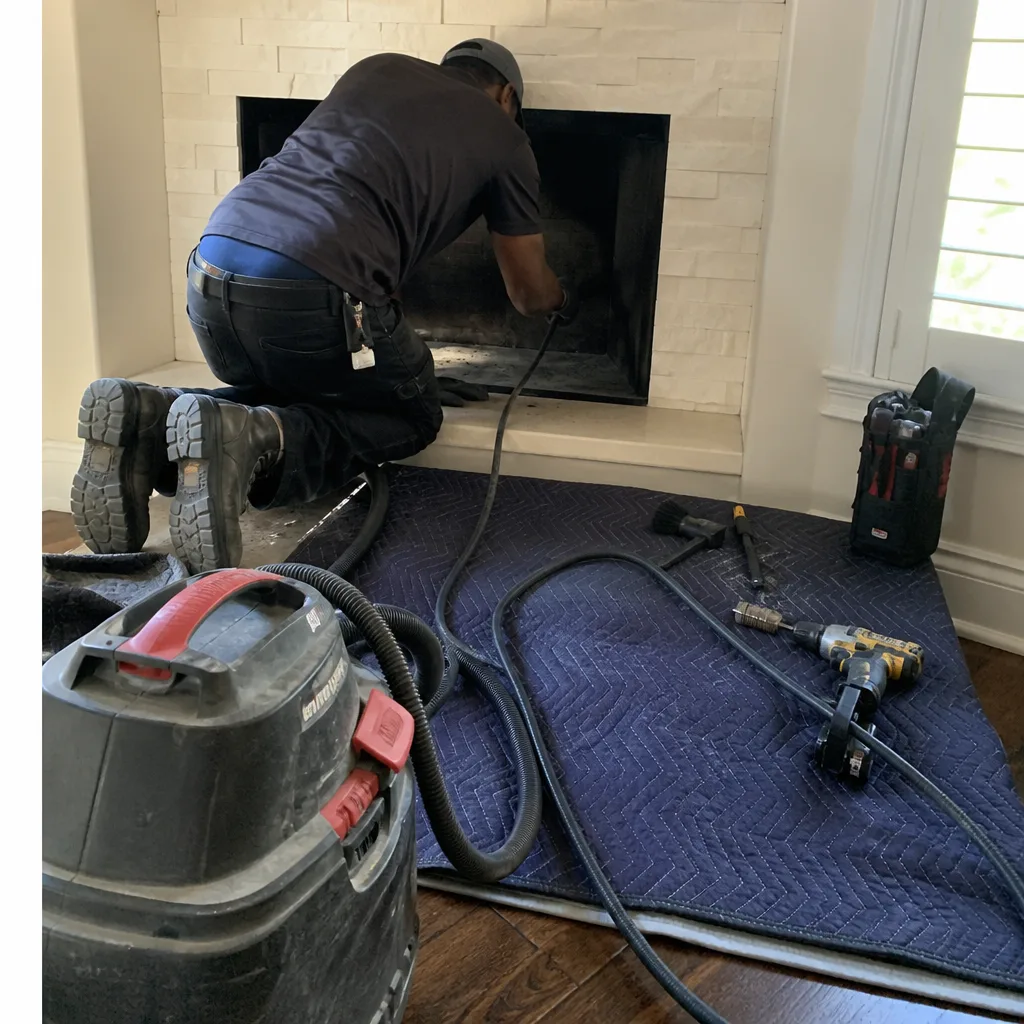
- Setup and protection (15 to 30 minutes). Drop cloths laid across the hearth and floor, a vacuum with a HEPA filter running, and the firebox sealed off. This step is what keeps soot from ending up in your living room. If a quote is suspiciously low, this step is usually the first to get skipped.
- Mechanical brushing of the flue (20 to 45 minutes). A wire or poly brush sized to your flue runs top to bottom or bottom to top, depending on roof access. This removes creosote and soot buildup. For Miami homes with stainless steel liners, poly brushes are standard because wire can score the metal.
- Smoke chamber and firebox cleaning (15 to 25 minutes). The area above the damper and the firebox floor get brushed and vacuumed. This is a separate step from the flue itself. Most budget sweeps skip the smoke chamber entirely because it is awkward to reach. That is a problem, because the smoke chamber is where creosote accumulation in a humid climate like Miami’s tends to be thickest and most stubborn.
- Damper inspection and adjustment (5 to 10 minutes). The sweep checks that the damper opens, closes, and seals. A damper that does not seal properly lets conditioned air escape year-round, which in Miami means higher cooling bills from May to October.
- Cap and chase cover check (5 to 10 minutes). The chimney cap gets inspected for rust, blockage, and loose mounting. In Miami’s salt air, galvanized caps corrode faster than they do inland. A good sweep will tell you if your cap has another year or if it needs replacement at the time of service.
What this means for pricing: a legitimate sweep takes 60 to 90 minutes of actual work. If someone quotes you $75, the math does not work. At $75, after travel time, equipment overhead, and insurance, the technician would be losing money on every job. That only happens if the scope is cut somewhere, and you will not be told where.
Flint Chimney Co Miami puts the full scope in writing before any work starts. You see exactly what is being cleaned, inspected, and checked, and you sign off on that scope before the first brush goes up the flue. If you want to understand more about how a Chimney Sweep in Miami works step by step, we have a full walkthrough on that page.
2026 Miami Price Ranges by Service Tier
Here are the current Miami market price ranges for chimney services as of 2026. These figures come from our own pricing, competitor quotes we have reviewed from homeowners across Miami-Dade, and the published rates of reputable chimney service providers in the region.
Sweep Only: $75 to $150
A bare-bones flue brushing with minimal setup and no inspection components. This is the leaflet-in-the-mailbox price. It usually covers the flue brushing and nothing else. The cap is not checked, the smoke chamber is not touched, the damper is not adjusted, and no inspection report is generated. For a homeowner who wants proof the job was done, this tier is almost useless. For a homeowner who wants a clean flue and nothing else, it can work, but you should ask what is excluded before booking.
Standard Sweep with Level 1 Inspection: $150 to $250
This is the honest middle. It includes everything in the section above: full setup, flue brushing, smoke chamber and firebox cleaning, damper check, and cap check. It also includes a Level 1 inspection, which is a visual check of all accessible parts of the chimney interior and exterior. The National Fire Protection Association recommends a Level 1 inspection with every sweep, and most legitimate Miami chimney companies build the two together. At Flint Chimney Co Miami, the sweep and Level 1 inspection are not sold separately. They are the same service call.
Full-Service Sweep with Level 2 Camera Inspection: $300 to $450
A Level 2 inspection adds a camera run through the full height of the flue. This is the only way to see inside the liner without taking the chimney apart. In Miami, where humidity drives hidden spalling and liner corrosion behind brick and stucco, a camera inspection is how you find a problem before it becomes a leak through your ceiling. This tier also typically includes a written condition report with photos, which is the document you want if you ever sell the house or file an insurance claim. Before booking, check Chimney Cleaning Permits, Codes & Inspections in FL: What You Need to Know to understand what documentation Florida law may require.
Smoke Chamber Resurfacing: $800 to $1,500
If the camera finds gaps, eroded mortar, or corbeled brick in the smoke chamber, resurfacing is the fix. The process involves cleaning the chamber down to bare masonry and applying a ceramic or refractory coating, such as HeatShield’s Cerfractory material, to restore a smooth, gas-tight surface. This is not a sweep. It is a repair, and it is priced as one. The $800 to $1,500 range reflects a typical Miami single-flue chimney; larger or severely deteriorated chambers go higher.
Flue Relining: $2,500 to $6,000
When the original clay tile liner is cracked, spalled, or missing sections, the chimney cannot be used safely. Relining means installing a new liner, typically a stainless steel system like those from Olympia Chimney or DuraFlex. The cost depends on chimney height, roof access difficulty, and whether the old liner must be broken out first. In Miami, where many homes are two-story with tile roofs, access difficulty is a real cost driver. A $2,500 reline on a ranch does not translate to a two-story Coral Gables home with a steep tile roof.
Chimney Cap Replacement: $150 to $450 installed
Cap replacement is the most common add-on after a Miami chimney inspection. Salt air corrodes galvanized caps quickly, and missing or rusted caps are the number one entry point for rain, debris, and iguanas. A stainless steel cap from Famco or Copperfield costs more than a galvanized cap but lasts significantly longer in coastal air. The price includes removal of the old cap, fitting the new one, and securing it with a proper mounting system.
These ranges reflect the Miami market as of early 2026. They will shift with material costs and labor rates, but the structure, where a sweep and inspection are bundled and repairs are quoted separately, has stayed consistent for years. For a detailed look at what a Chimney Inspection in Miami report includes, see our inspection page.
Where the Low Bid Cuts Corners
The $75 sweep exists because someone, somewhere, decided that a brush on a stick was the whole job. It is not. Here is what the low bid usually excludes, and why each exclusion matters for a Miami home specifically.
The Cap Check
A chimney cap is a simple piece of metal, but in Miami it is the first line of defense against rain, debris, and animal entry. A low-bid sweep that skips the cap means a clogged cap can go unnoticed for years. When a cap clogs, the chimney stops drafting properly and smoke backs up into the house. When a cap rusts through, rain gets into the flue and accelerates liner damage. The cap check takes five minutes. The repair for a missed cap failure can run into the thousands.
The Smoke Chamber
The smoke chamber sits between the damper and the flue. In many Miami chimneys built before the 1980s, the smoke chamber is corbeled brick with rough, jagged surfaces. Creosote and soot collect on these surfaces and are difficult to remove without specialized tools. A budget sweep that stops at the flue leaves this material in place. In a humid climate, creosote absorbs moisture and becomes more corrosive over time. The chamber is also the area most likely to need resurfacing on older Miami homes, and you will not know it needs that work unless someone actually looks at it.
The Firebox Inspection
The firebox is the box itself where the fire burns. Cracks in firebox brick or mortar are the most common source of heat transfer into surrounding framing. In Miami, where fireplaces are used seasonally and sit dormant for months, small cracks widen as the brick expands and contracts with humidity swings. A sweep that does not inspect the firebox is missing the single most important safety check for houses that actually use their fireplaces.
The Written Report
This is the quiet exclusion. A low-bid sweep hands you a receipt. A legitimate company hands you a written inspection report that documents what was cleaned, what was found, and what the condition of each component was on the day of service. That report is the document you need for insurance claims, home sale disclosures, and warranty records. When a company does not generate a report, the only record of the visit is your memory.
In our experience running Flint Chimney Co Miami home service calls across Miami-Dade, the homeowners who call us after a bad experience with a budget sweep almost always describe the same sequence: a low quote, a quick job, a vague verbal summary, and no paperwork. The pattern is consistent.
Written Estimates vs. “Starting At” Quotes
The phrase “starting at” is doing more work in Miami chimney advertising than any other two words in the trade. Here is what it means in practice.
A “starting at” quote is a verbal or written number that applies to the narrowest possible version of the service. It assumes the flue is in good condition, the cap is intact, the damper works, the roof access is easy, and the homeowner asks no questions. The moment any of those assumptions fail, the price moves. The technician is the one making the adjustment, and the homeowner is standing in the living room deciding whether to accept the new number or send the technician away after they have already started.
A written fixed-price estimate works differently. The scope is defined before the appointment. The technician arrives knowing exactly what will be done and what you have approved. If they find something outside the scope, it is documented, photographed, and discussed with you as a separate item. The original price does not change.
Here is what to ask for before booking a chimney cleaning in Miami:
- A written scope of work. Does it list the flue, smoke chamber, firebox, damper, and cap? If the smoke chamber is not listed, it is not included.
- A fixed price, not a range. If the quote says $150 to $200, ask what determines where you land. If the answer is vague, treat the high end as the real price.
- The inspection level. Is it a Level 1 visual or a Level 2 camera inspection? The price difference between the two is real and worth paying for a chimney that has not been inspected in years.
- A written report. Will you receive documentation of what was found? If the answer is no, find another company.
Flint Chimney Co Miami operates under The Garrison Standard, which is the set of operating rules every Garrison Partners chimney company follows. The core rule is simple: the written price is the price. No adjustments at the door, no surprise line items, no verbal renegotiation after the scope is approved. If we find something that needs repair, we show you the camera footage and write a separate estimate. You decide what happens next. That is the whole system.
For homeowners looking at a repair recommendation, our Chimney Repair in Miami page explains how we document repair findings and what the repair process looks like from estimate to completion.
What a One-Year Written Guarantee Is Worth
A written guarantee is not a marketing line. It is a financial instrument, and you can put a dollar value on it. Here is the math.
Suppose a chimney cleaning and inspection in Miami costs $250. The inspection finds minor water staining in the firebox but no active leak. The company tells you to keep an eye on it and sends you on your way. Six months later, during a heavy summer storm, water comes through the chimney chase and stains the ceiling. You call the company that did the sweep. If you hired a company with no written guarantee, you are paying for a new inspection, a repair, and the ceiling damage. That could easily run $1,500 to $3,000 depending on the repair.
If you hired a company with a written one-year guarantee covering the inspection findings and any repair work performed, the callback inspection is covered. If the issue traces back to something that should have been found during the original inspection, or to a repair that was performed and failed, the return visit and the re-repair are on the company. That is the dollar value of a guarantee: it converts a six-month risk into a line item the contractor owns.
Flint Chimney Co Miami operates under the 365-Day Done Right Promise. Every repair carries a written guarantee valid for one full year from the service date. If a covered repair fails within that year, we return at no charge, no argument, no restocking fee, no service call fee. The guarantee is written on the repair estimate and the final invoice. It is not a verbal promise.
What a guarantee does not cover matters as much as what it does. Normal wear from use is not a repair failure. Damage from storms, animal entry, or homeowner modification is not covered. A legitimate company will state these exclusions in writing. A company that says “we guarantee everything” without writing it down is selling you a phrase.
When we specify repair materials on a Miami job, we name the product in the estimate. If a stainless steel liner from DuraFlex is going in, the estimate says DuraFlex. If a cap from Famco is being installed, the estimate says Famco. This matters because the warranty on the material is separate from the warranty on the labor, and you should know who stands behind each. The Garrison Code requires this level of specificity on every repair recommendation. No generic “new liner” line items.
How Miami Climate Affects Chimney Wear
Miami is not a cold-weather chimney market. Fireplaces here are used maybe three or four months out of the year, and many are decorative or wood-burning features in homes where the air conditioner runs ten months annually. But the climate does its own kind of damage, and it works on chimneys year-round.
The primary culprit is humidity. Miami’s average relative humidity stays above 70% most of the year. That moisture works its way into masonry chimneys through micro-cracks in brick and mortar, especially on the exterior sections above the roofline. When the chimney heats up during fireplace use, that trapped moisture expands, and the cracks widen. Over years, this cycle produces spalling, which is the flaking and crumbling of brick faces, and mortar joint failure.
Salt air compounds the problem. Homes within a few miles of Biscayne Bay or the Atlantic, which includes much of coastal Miami-Dade, deal with airborne salt that accelerates corrosion on any exposed metal component. Chimney caps, chase covers, and flashing all corrode faster in Miami Beach, Coconut Grove, and Key Biscayne than they do in Kendall or Hialeah. A galvanized cap that might last a decade in Orlando can be done in five years near the coast.
Heavy rain is the third factor. Miami’s summer thunderstorms are intense and frequent, and when a chimney cap is missing or a chase cover is rusted through, that water goes directly into the flue. A single wet season can do more damage to a clay tile liner than years of normal use. This is why the cap check and the camera inspection are not optional add-ons in Miami. They are the two steps most likely to catch expensive damage while it is still cheap to fix.
For Miami homeowners, the practical takeaway is this: even if you use your fireplace only a handful of times per year, the chimney needs an annual inspection. The damage happening to your chimney is not coming from fires. It is coming from the air, the salt, and the rain, and it is happening whether you burn or not.
Common Mistakes to Avoid
- Hiring on price alone. A $75 sweep in Miami is not the same service as a $200 sweep. The cheap one is cutting scope somewhere, and you will not find out where until it is too late.
- Not asking for the inspection report. If a chimney company does not provide a written report after a sweep, you have no record the visit happened. When it comes time to sell your home or file an insurance claim, that report is the proof.
- Ignoring the cap until it fails. The cap is a $150 to $450 replacement. The water damage a failed cap causes can run into the thousands. In Miami’s rainy season, this is the most preventable expensive mistake on the list.
- Assuming a newer home means a clean chimney. Homes built in the last 15 years have had fewer fire seasons, but they also often have prefabricated chimneys with specific maintenance requirements that differ from masonry. Those systems need inspection too.
- Treating a “starting at” quote as a fixed price. A range is not a commitment. If the company will not put a fixed number in writing before the appointment, assume the number will move.
- Skipping the camera inspection on an older chimney. If your Miami home was built before 1990 and has a masonry chimney, the liner has been absorbing humidity for decades. A visual inspection cannot see inside that liner. The camera can, and it is the only way to know if the chimney is safe to use.
- Not checking what the guarantee covers. A one-year guarantee on a repair is worth real money. A verbal promise that “we stand behind our work” is worth the paper it is not written on.
When to Call a Professional
Chimney work is not a DIY trade. The components are hidden behind brick and metal, the failure modes are structural and fire-related, and the tools needed to see what is actually happening inside a flue are specialized. You should call a professional if you notice water staining on the ceiling near the chimney, if you smell smoke or soot inside the house after the fireplace has cooled, if the damper no longer opens or closes smoothly, if you see flaking brick or crumbling mortar on the exterior chimney, or if it has been more than a year since the last inspection. Rust on the cap or visible cracks in the firebox brick are also reasons to book a call now rather than after the rainy season finds its way in. For more guides & resources on chimney care in South Florida, explore our blog. Flint Chimney Co Miami offers free estimates in Miami, call (786) 305-7861 and a live person will answer, day or night.
Frequently Asked Questions
A standard chimney sweep with a Level 1 inspection in Miami costs between $150 and $250. A full-service sweep with a Level 2 camera inspection runs $300 to $450. The $75 to $150 range you might see advertised is a sweep-only price that excludes the inspection, cap check, smoke chamber, and written report. Call (786) 305-7861 for an exact quote, estimates are free.
If the camera inspection shows cracks that extend through the clay tile, yes, the liner needs to be repaired or replaced before the chimney is safe to use. Hairline surface cracks can sometimes be addressed with a resurfacing product like HeatShield, but full-thickness cracks or missing tile sections require a stainless steel reline. We show you the camera footage before we recommend anything, and the written estimate names the specific product and scope. Call (786) 305-7861 to schedule an inspection with camera documentation.
The National Fire Protection Association recommends a chimney inspection and sweep at least once a year, regardless of how often the fireplace is used. In Miami, the annual inspection matters for a different reason than in cold climates: humidity, salt air, and rain are working on the chimney year-round even when no fire has been lit. An annual camera inspection catches cap corrosion, liner damage, and water intrusion before they become structural problems.
The two real risks are chimney fire and carbon monoxide exposure. Creosote buildup from wood burning is combustible, and a hot fire can ignite it inside the flue. A blocked or damaged chimney can also prevent combustion gases from venting properly, which pushes carbon monoxide back into the living space. In Miami, there is a third risk: a neglected cap or rusted chase cover lets rain into the flue, and that water damage quietly destroys the liner and surrounding framing. The repair bill for a water-damaged chimney starts around $1,500 and climbs fast.
The variance comes from scope, not overhead. A $75 quote sweeps the flue and leaves. A $200 quote sweeps the flue, cleans the smoke chamber and firebox, checks the damper and cap, performs a Level 1 inspection, and generates a written report. A $350 quote does all of that plus a camera run through the liner. Before comparing quotes, ask each company to list what is included in writing. The difference usually appears in the first three lines.
Yes, but the value shifts from cleaning to inspection. A fireplace that is never used still has a chimney that is exposed to Miami humidity, salt air, and rain every day of the year. The annual visit is how you find a rusted cap or a spalling liner before water gets into the house. The sweep itself is quick on an unused chimney, but the inspection is doing the real work. Call (786) 305-7861 and we will explain what is included before you book anything.
The Bottom Line
Chimney cleaning prices in Miami are not random, but they are also not directly comparable from one quote to the next. The difference between a $75 job and a $299 job is the written scope, the inspection level, and the documentation you receive. A legitimate sweep checks the cap, the smoke chamber, the firebox, and the damper, and it produces a written report. A written guarantee on any repair is worth real money, and a fixed price in writing is the only price that matters. Miami’s climate does not care whether you use your fireplace. The humidity, salt air, and rain are working on the chimney regardless. An annual inspection with a camera is the cheapest insurance against the most expensive chimney failures. Flint Chimney Co Miami puts every price, every scope, and every guarantee in writing before the first tool comes off the truck. Call (786) 305-7861 for a free estimate on a chimney cleaning, inspection, or repair in Miami. A live person answers the phone, every hour of every day.
Written by Hank Delano, Owner at Flint Chimney Co Miami, serving Miami since 2002.
See the difference
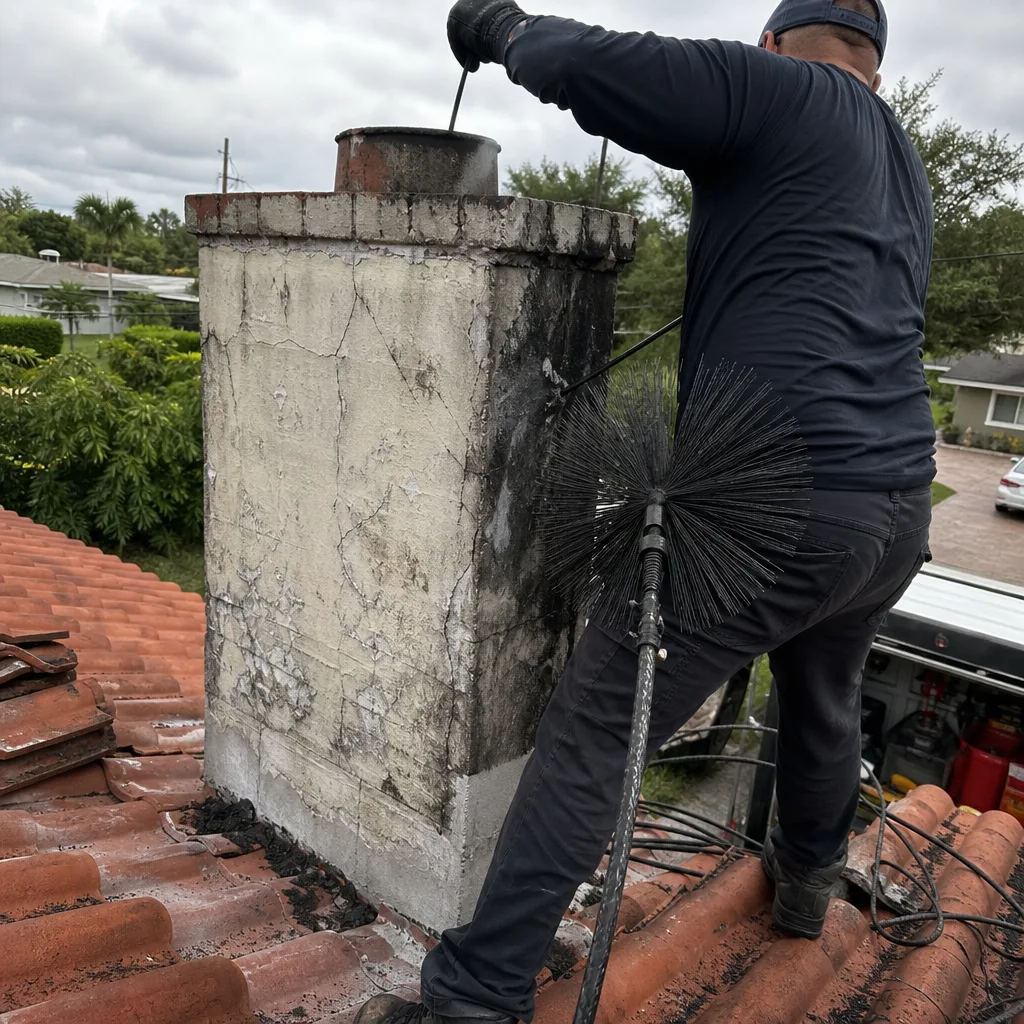 Before
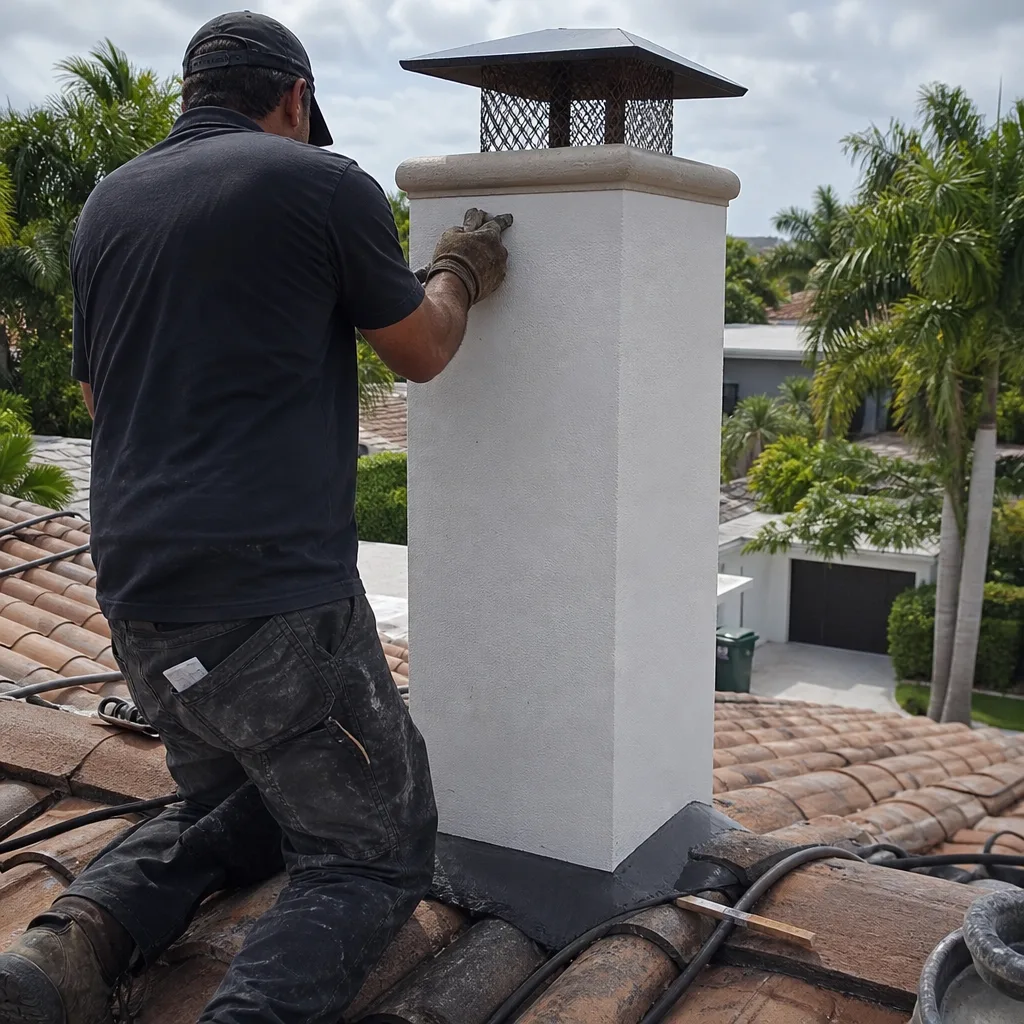 After
After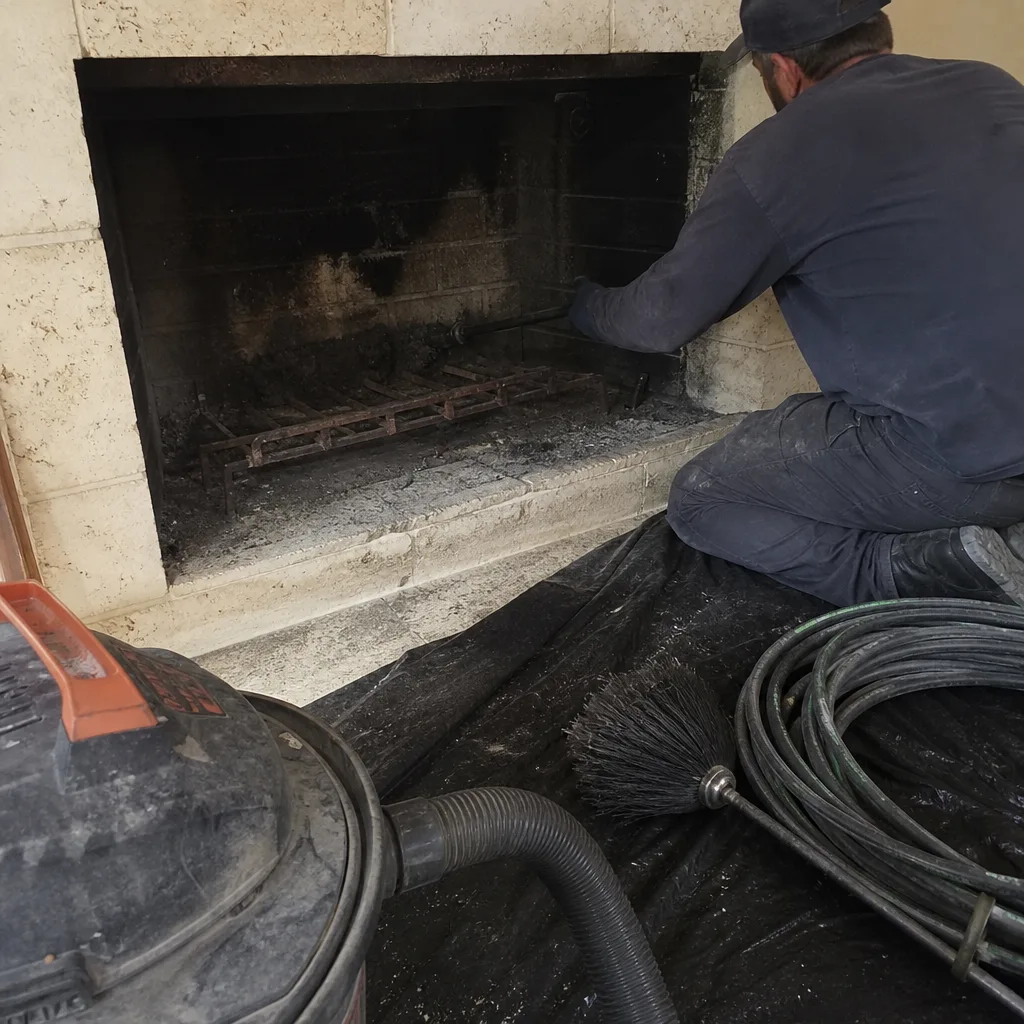 Before
 After
After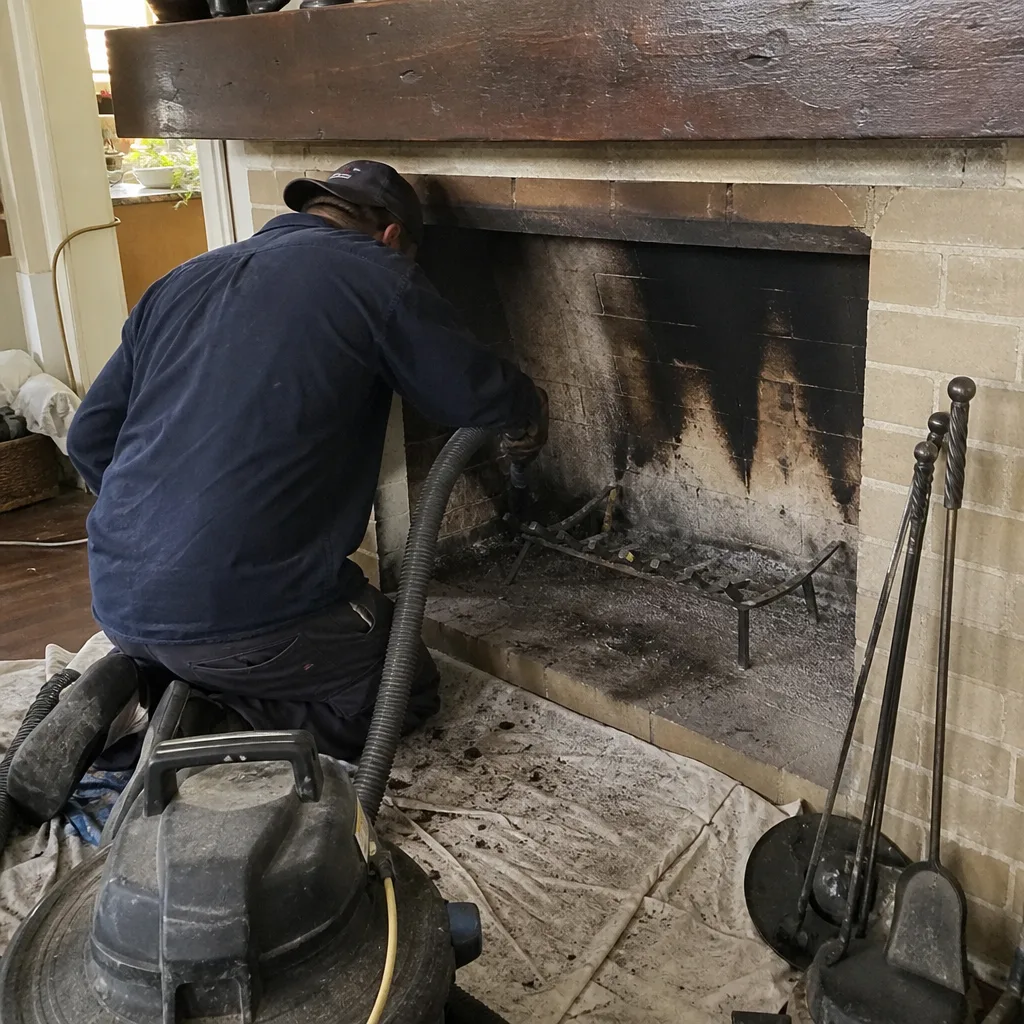 Before
 After
After