
Last updated October 15, 2026
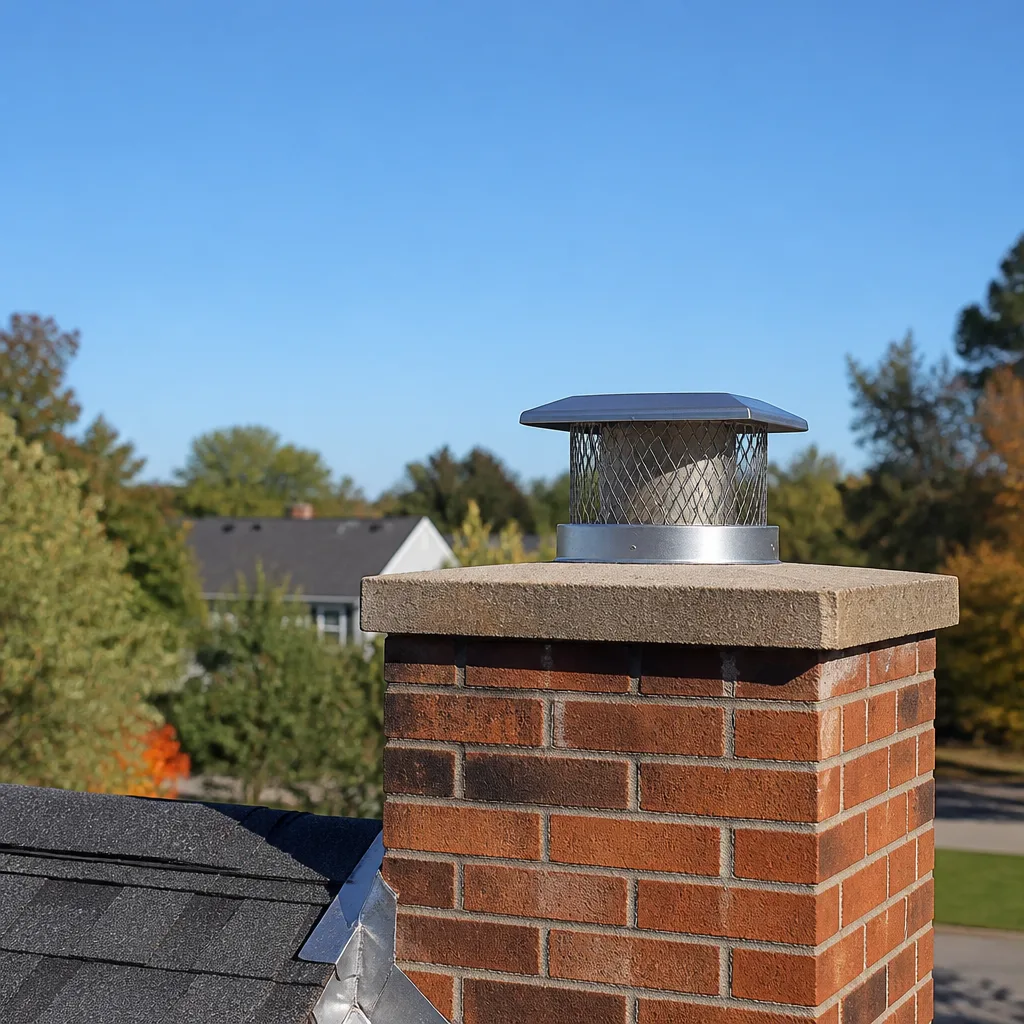 Sweep & inspection
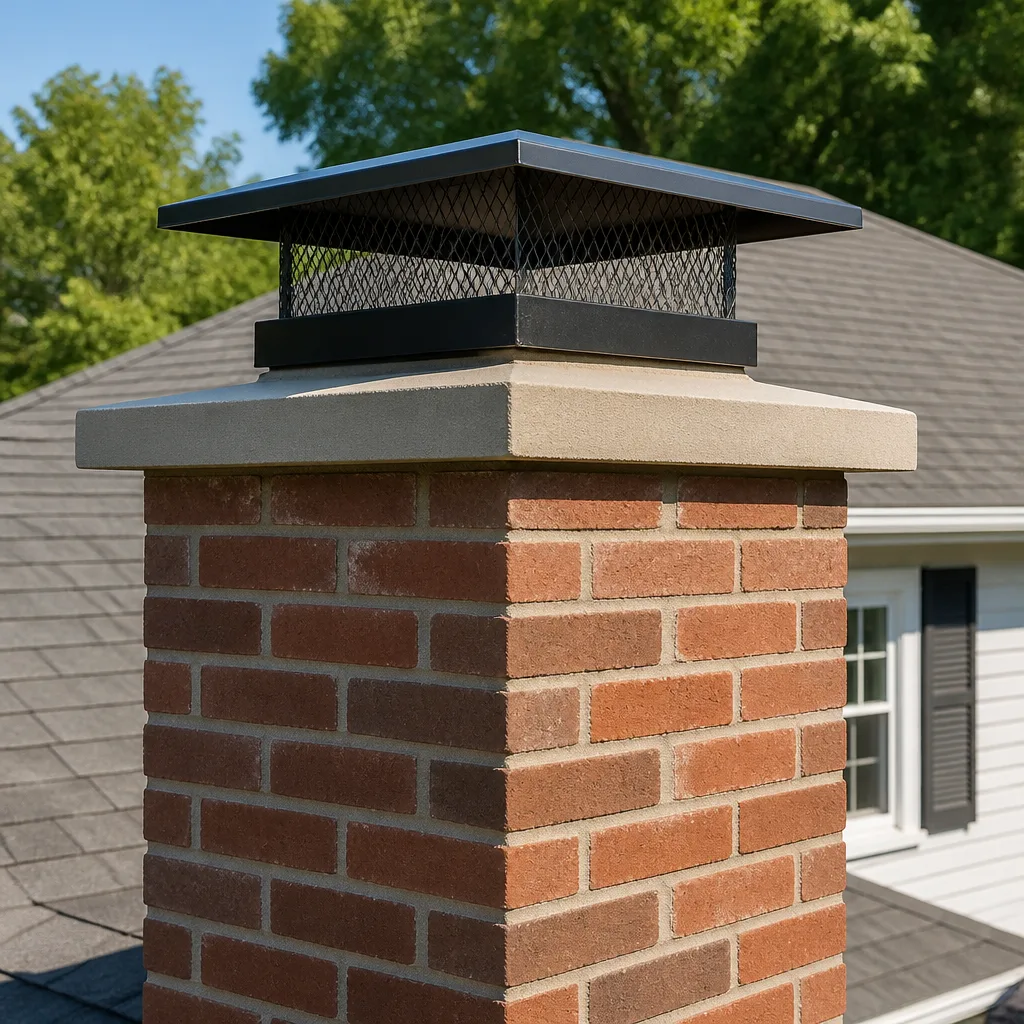 Caps & crowns
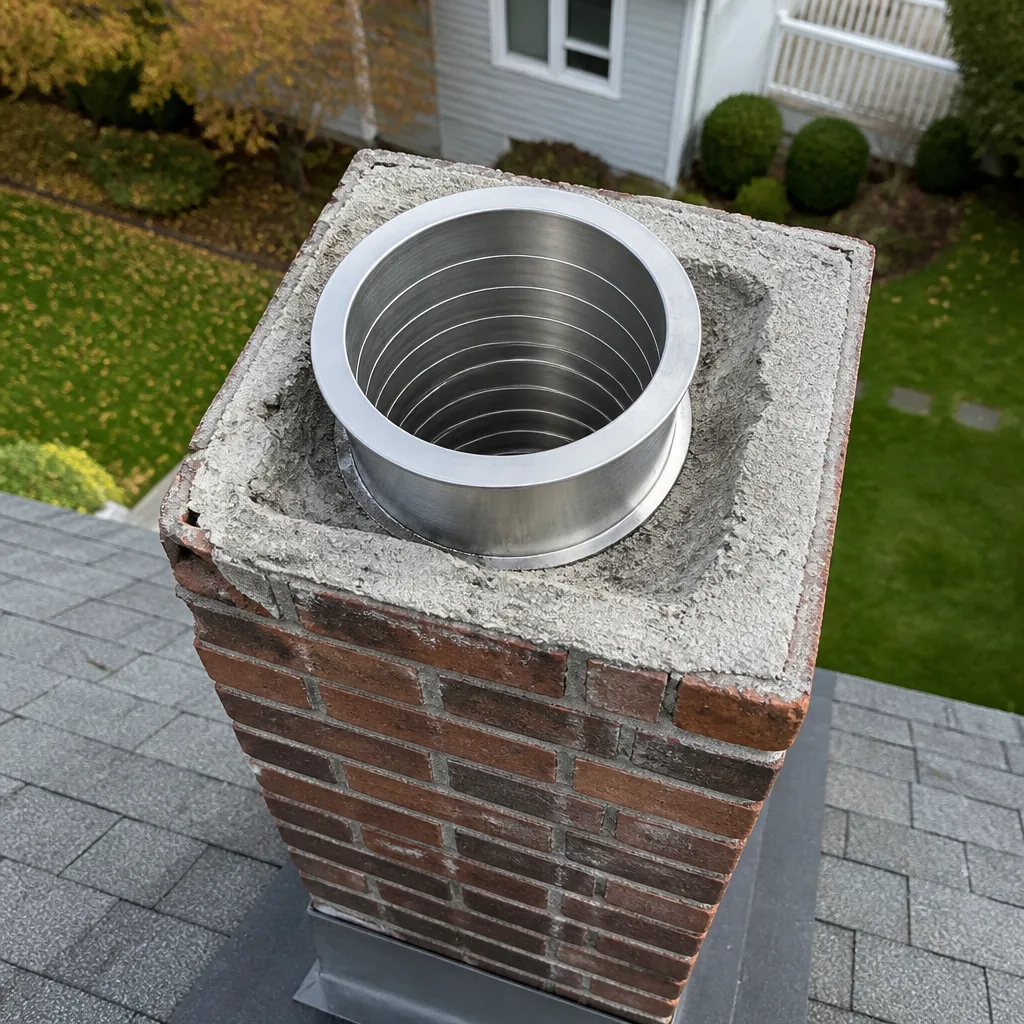 Flue relining
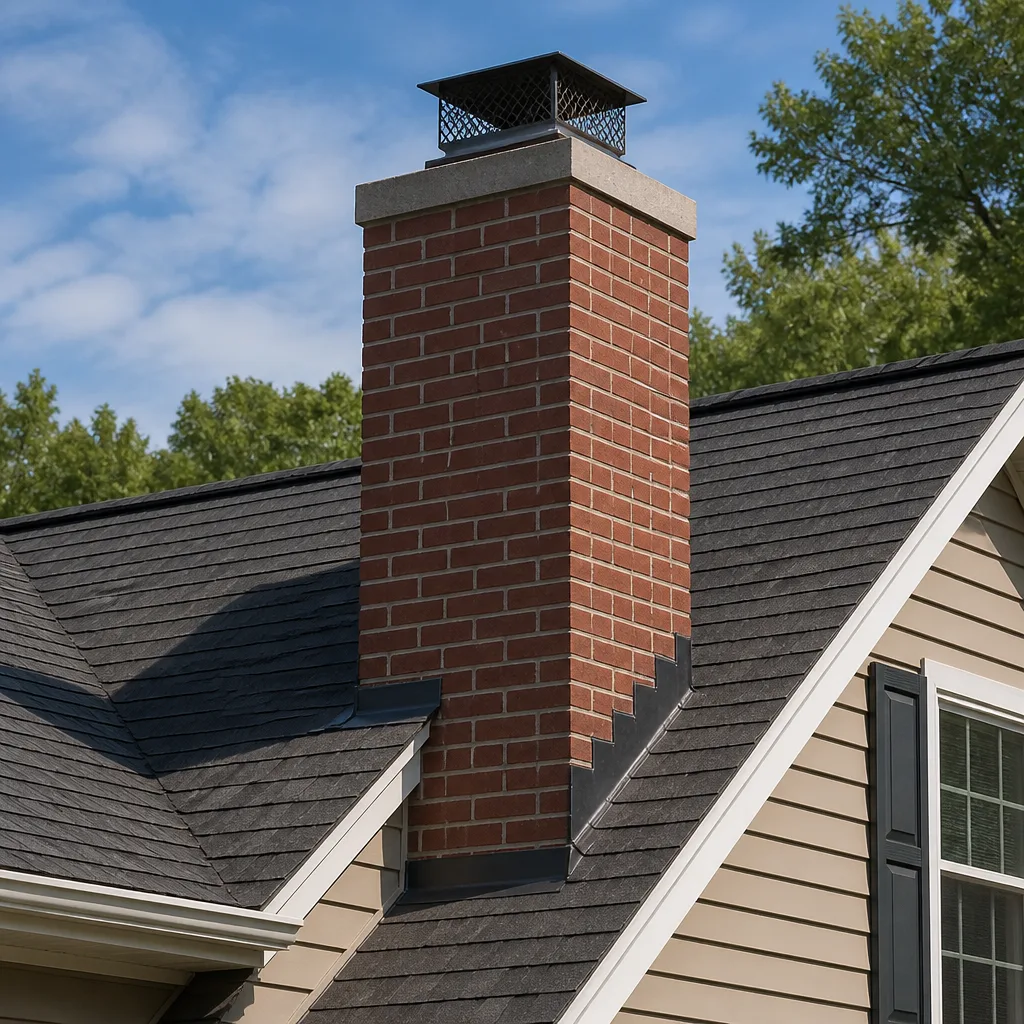 Masonry repair
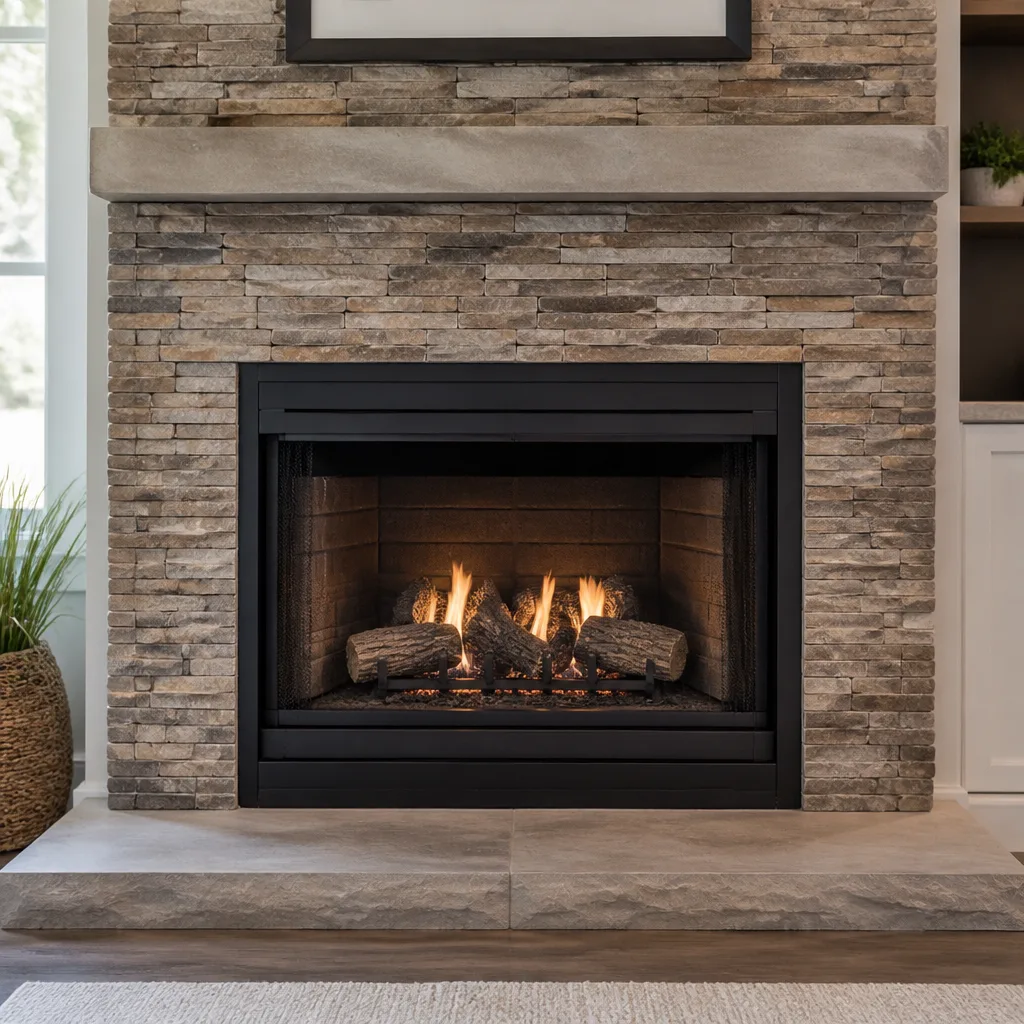 Gas fireplace service
Level 1 sweep and inspection to the NFPA 211 annual standard - flue, crown, cap, and flashing checked and photographed
Chimney sweep logs do not sweep chimneys. They loosen some creosote - which then falls where a brush and vacuum still have to collect it.
Seasonal Chimney Cleaning Care for Miami: Year-Round Homeowner’s Guide
Most chimney advice on the internet is written for houses with basements, snow loads, and heating season that runs from October to April. That advice falls apart in Miami, where the real threats to a chimney are not ice and soot volume but humidity, salt air, and the slow structural wear of a subtropical climate. The old saying about getting your chimney swept every fall means nothing here. September in Miami averages 90°F with 80% humidity, and the actual damage window runs May through October, long before anyone thinks to pick up the phone. This guide explains the Miami-specific maintenance calendar, what each season actually does to your flue, and the inspection points that matter in this climate.
Quick Answer
Seasonal chimney cleaning in Miami should follow the South Florida climate calendar, not a northern fall schedule. Book a pre-wet-season inspection and sweep between April and early May, do a post-storm check after any named storm, and schedule a pre-use inspection in November before you start burning. A standard chimney sweep in Miami typically runs $189 – $349, as detailed in our Chimney Cleaning Cost Breakdown: The Miami Homeowner’s Reference for 2026, and coastal homes within 3 miles of Biscayne Bay or the Atlantic should expect to service their chimney every 12 – 18 months instead of every 2 – 3 years.
Styles & brands we work with
Table of Contents
- The Real Miami Chimney Calendar: Four Seasons, Rewritten
- Why April – May Is the Highest-Value Inspection Window in Miami
- What the Wet Season Does to an Uncleaned Flue
- Hurricane Prep for Chimneys: A Miami-Specific Checklist
- The Narrow Burning Window: November Through February
- Coastal Proximity: How Salt Air Changes the Deterioration Cycle
- How Much Does a Chimney Sweep Cost in Miami?
The Real Miami Chimney Calendar: Four Seasons, Rewritten
Miami does not have four seasons. It has a dry season, a wet season, a hurricane window, and a brief burning window. Anyone telling you to follow a fall chimney checklist written for Massachusetts or Michigan is giving you a calendar that does not match the weather patterns we actually live with. In our experience at Flint Chimney Co Miami, the homeowners who get the longest life out of their flues are the ones who anchor maintenance to South Florida’s actual environmental timeline, not to tradition.
Here is how the real Miami chimney year breaks down:
- Dry season (December – April): humidity runs lower, temperatures are mild, and this is when the biggest visual problems show up after the wet season has done its work. Cracks, spalling brick, and rust on the cap are all easiest to spot now, because the masonry is dry.
- Pre-wet-season window (April – early May): the highest-value time for a chimney inspection and sweep. Mold spores, insect activity, and rain intrusion all spike in the six months that follow. You want the flue, cap, and crown sealed before the humidity locks in.
- Wet season (June – October): ambient humidity averages between 75% and 85%. An uncleaned flue with creosote residue from last winter turns into a moisture trap. Mold colonization can begin in as little as 30 – 60 days inside a dirty flue. This is also prime season for roof rats and chimney swifts finding their way in through a torn cap screen.
- Hurricane window (June 1 – November 30): high winds test cap security, seal integrity, and damper closure. The damage that happens during a storm is almost always made worse by pre-existing wear that was never addressed.
- Burning window (November – February): the only months most Miami chimneys see actual use. A pre-use inspection before the first fire catches blockages, creosote buildup from the previous year, and any wet-season damage that would otherwise send smoke back into the house.
If you only make one chimney appointment a year in Miami, make it in late April or early May. That appointment positions your chimney to survive the wet season without compounding damage, and it means the November pre-use inspection is a quick verification rather than a repair call. Our Chimney Sweep in Miami page covers what a standard sweep includes and what it costs.
Why April – May Is the Highest-Value Inspection Window in Miami
Most homeowners in Miami think about their chimney in November, when the first cool front rolls through and the idea of a fire sounds good for the first time in eight months. That is a reasonable human impulse, and it is exactly backwards for this climate. The highest-value time for a Miami chimney inspection is before the wet season starts.
Here is the logic. A chimney inspection in November can catch damage, but the damage it catches has already been progressing for five to six months. Moisture intrusion that starts in June has six months to work its way through masonry, rust out the damper assembly, and create efflorescence stains on the interior wall before anyone looks at it. By November, the repair is often bigger and more expensive than it would have been in April.
During the pre-wet-season window, in our experience, we regularly see three categories of problems that are cheap to fix now and expensive to fix in November:
- Cap screen tears. Rain, birds, and roof rats all enter through a torn chimney cap screen. Screens cost little to replace. The nesting material and moisture damage an open cap allows costs significantly more.
- Crown hairline cracks. The crown is the concrete slab at the top of the chimney that sheds water away from the flue. Hairline cracks let water in. Sealed in April, they are a non-issue for the wet season. Left open, they widen with every rain cycle.
- Flue creosote from the brief winter burning season. Creosote is a hygroscopic material, which means it absorbs moisture from the air. Miami’s wet season humidity wakes up creosote residue and creates the exact conditions for both masonry deterioration and strong, lingering chimney odors. Removing it before humidity locks in changes the whole equation.
Chimney Inspection in Miami during April or May is not a luxury. It is the maintenance decision that keeps a November surprise from becoming a November invoice.
What the Wet Season Does to an Uncleaned Flue
The Miami wet season is not someone’s idea of a rainy month. It is five to six months of daily thunderstorms, ambient humidity over 75%, and nighttime temperatures that rarely dip below 75°F. That combination is an incubator, and a dirty chimney flue is a growth medium.
Three specific things happen when a flue goes through the Miami wet season without a pre-season cleaning:
1. Mold Colonization Inside the Flue
Creosote is carbon-based, and carbon is food. Combined with Miami’s humidity, creosote residue from the winter burning season provides a substrate for mold spores. Colonization can begin within 30 – 60 days of consistent humidity exposure. Once mold establishes inside the flue, you may smell it through the fireplace opening even when the chimney is not in use. The smell is often described as musty, wet-basement-like, or similar to wet cardboard. Removing the creosote before the wet season removes the food source.
2. Efflorescence Progress on Masonry
Efflorescence is the white, chalky deposit you sometimes see on exterior brick or block. It happens when water moves through masonry, dissolves salts inside the material, and then evaporates on the surface, leaving the salts behind. It is not structurally dangerous on its own, but it is a sign that water is migrating through the chimney structure. During Miami’s alternating rain and sun, efflorescence appears, disappears, and reappears as moisture levels shift. Every cycle moves a little more salt to the surface. If you see white staining on the chimney exterior or on the interior face around the fireplace, that is water movement, and it should be checked before the end of the wet season, not next spring.
3. Pest Entry Points
The wet season is also Miami’s peak season for roof rats and the arrival window for chimney swifts. Chimney swifts are protected under federal law, which means if they nest in your flue, you cannot remove the nest until the birds leave on their own. That can mean weeks without use of the chimney. A torn cap screen is the entry point for both birds and rats. A pre-wet-season inspection catches the tear before nesting season starts.
We use professional-grade cap and flue products, including Gelco chimney caps and Copperfield chase covers, because the materials have to survive six months of Miami humidity and sun without warping or rusting through. Cheap caps fail here quickly. The salt air and UV combination is hard on metal.
Hurricane Prep for Chimneys: A Miami-Specific Checklist
Hurricane season runs June 1 through November 30. Most Miami homeowners know their window prep: shutters, generator, water, fuel. The chimney rarely makes the list, and that is a mistake, because a damaged chimney cap or damper can become a water entry point that floods the firebox and the ceiling below it during a slow-moving storm. For chimney cleaning warning signs every Miami homeowner should watch for, see our dedicated guide.
Here is a numbered hurricane prep sequence that takes less than an hour, plus one step that takes five minutes now but saves a lot of time later:
- Photograph the chimney and fireplace from multiple angles. Do this before any named storm is in the forecast. If a storm damages the cap, crown, or flashing, you will have a clean pre-storm record for the insurance claim. Document the date in the photo, not just with your camera’s metadata.
- Check the cap physically, or have it checked. A loose chimney cap becomes a projectile in 90 mph wind. It can also pull the flue tile it is attached to, turning a small issue into a flue replacement. The cap should not move when you push on it.
- Close the damper and test the seal. A damper that does not close tightly lets wind-driven rain straight down the flue. Put a flashlight in the firebox and look up. If you can see daylight around the damper edges, the seal is compromised. Closing the damper also stops wind pressure from pushing fireplace odors into the house during the storm.
- Check the flashing around the chimney base, if you can access it safely. Flashing is the metal that seals the joint between the chimney and the roof. Loose flashing equals a water leak. This is a visual check from a ladder or from the roof, assuming you can safely access it. If you cannot, a chimney inspection includes the flashing as a standard part of the check.
- Know your roof and chimney insurance situation before the storm, not after. Most homeowner policies cover storm damage to the chimney structure, but many do not cover water damage from a pre-existing cap or flashing problem. That distinction is the difference between a covered claim and a denial. A pre-season inspection report that says the chimney was sealed and sound before the storm is strong documentation.
In Miami, we see the same post-storm pattern every year: the chimneys that had water intrusion during a hurricane are almost always the chimneys that had a pre-existing cap, crown, or flashing issue no one addressed. The storm did not create the problem. It exposed it.
The Narrow Burning Window: November Through February
Miami’s burning season is short. Most homeowners light the first fire in late November or early December and stop by February. That is perhaps 12 to 20 fires a year, a fraction of what a northern chimney sees in a single season. Use matters less here, but the pre-use inspection matters more.
Here is why: in colder climates, the main thing a pre-season inspection catches is creosote volume. In Miami, a pre-use inspection catches everything the wet season did to the flue while nobody was looking. That includes:
- Animal nesting material from roof rats or birds that entered through a cap gap you did not know about.
- Debris like palm fronds, leaves, or trash blown onto the cap and wedged into the flue opening during summer storms.
- Flue tile cracks from thermal shock. The wet season heats the masonry, the chimney cools during a November cold front, and the expansion-contraction cycle stresses older clay liners, especially in chimneys built before the 1990s.
- Moisture-driven creosote adhesion – the same creosote that got damp all summer is now hardened to the flue wall, and it will not brush off with a standard sweep. It often requires a rotary cleaning head.
A yearly-sweep-only approach misses all four of those because a sweep addresses creosote accumulation, not structural condition. The right pattern for Miami is a sweep plus a Level 1 inspection in November. The Chimney Inspection in Miami service checks the cap, crown, flashing, damper, firebox, and flue liner, not just the soot.
Most of the liner damage we find in Miami during pre-use inspections is in the upper third of the flue, where the masonry has been exposed to the most rain and sun. When a liner is damaged, the standard repair in our market is flue relining, replacing the inner liner that channels smoke safely out of the house. We specify DuraFlex and HeatShield by job requirement, and the price is always written, always before work starts, with a full-year guarantee in writing.
Coastal Proximity: How Salt Air Changes the Deterioration Cycle
Homes within roughly 3 miles of Biscayne Bay or the Atlantic Ocean face a chimney deterioration cycle that does not exist further inland. Salt air is corrosive, and it settles on chimney caps, flashing, and damper hardware every day of the year. Combined with Miami’s humidity and UV, the result is a system that ages faster in every component.
Here is what that means in practical terms, based on what we see at Flint Chimney Co Miami:
- Steel and aluminum caps rust through faster. A cap that lasts 8 – 10 years inland may last 5 – 6 years within 3 miles of the ocean. Stainless steel is the standard recommendation for coastal service, and brands like Olympia Chimney hold up measurably better in a salt-air environment than coated or galvanized caps.
- Flashing corrodes at the seams. Flashing is usually aluminum or galvanized steel. Salt air accelerates corrosion at the folded seams and at the fastener points. If you live in Coral Gables, Coconut Grove, Key Biscayne, or any neighborhood within sight of the water, expect flashing replacement in roughly half the time an inland home would need.
- Damper hardware seizes more often. The damper is a metal plate or valve assembly operated by a lever or rod. Salt air rusts the hinge and rod, making the damper hard to operate or, in the worst case, stuck open during a storm or stuck closed when you want a fire.
- Service frequency shifts. An inland Miami chimney may go 24 months between inspections without significant issue. A coastal Miami chimney typically needs inspection and service every 12 – 18 months. The salt air compresses the cycle.
If your home is within 3 miles of the water, book the pre-wet-season inspection without skipping years. The cost of catching salt-air cap corrosion early is a fraction of the water damage repair that follows once the cap fails. Make sure you also understand Chimney Cleaning Permits, Codes & Inspections in FL: What You Need to Know before scheduling major work.
How Much Does a Chimney Sweep Cost in Miami?
We put prices in writing before any work starts, and we publish the ballpark here because you should not have to call just to learn whether a sweep is a $150 job or a $500 job. In the current Miami market, a standard chimney sweep on an open-masonry fireplace typically runs $189 to $349. The variance comes from flue height, accessibility, and creosote grade. Add-on work like cap replacement, crown sealing, or a camera inspection is priced separately and always in writing before the job.
Here is a cost breakdown of the most common chimney services in Miami:
- Standard chimney sweep: $189 – $349
- Level 1 chimney inspection (visual, no tools required): $99 – $199, often included with a sweep
- Level 2 camera inspection (recommended after a storm, animal entry, or before buying a home): $249 – $499
- Chimney cap replacement (materials and install): $175 – $650, depending on cap type and flue size
- Crown repair or crown seal: $250 – $900, depending on crack severity
- Flue relining with DuraFlex stainless systems: $2,500 – $6,000, depending on flue length and access
These are Miami market ranges as of the time of writing. They are not quotes, and the number on your invoice is the number you approved before any work began. That is a Garrison Standard, the same code every location in the Garrison Partners family follows: written price, written scope, written guarantee.
For repairs, our 365-Day Done Right Promise backs the work in writing for a full year. If a covered repair fails during that period, we return and make it right at no charge. That guarantee is included on every repair, which means you are not waiting on a verbal promise from a technician who may or may not be around next year.
See our Chimney Repair in Miami page for the full scope of what we fix and how the guarantee works.
Key Takeaways
- Miami’s chimney calendar runs on wet-season prep, not fall tradition. The highest-value appointment is April or early May, before the humidity locks in.
- The wet season (June – October) is when mold, efflorescence, and pest entry all accelerate in a dirty flue. An uncleaned chimney is a moisture trap in this climate.
- Hurricane prep includes photographing the chimney before the storm, checking cap security and damper seal, and documenting pre-storm condition for insurance.
- The burning window runs roughly November through February. A pre-use inspection catches wet-season damage, nesting material, and flue tile cracks that a sweep alone misses.
- Coastal homes within 3 miles of Biscayne Bay or the Atlantic should plan on inspection every 12 – 18 months, not every 2 – 3 years.
- A standard chimney sweep in Miami averages $189 – $349, and Flint Chimney Co Miami puts the price in writing before any work starts.
See the difference
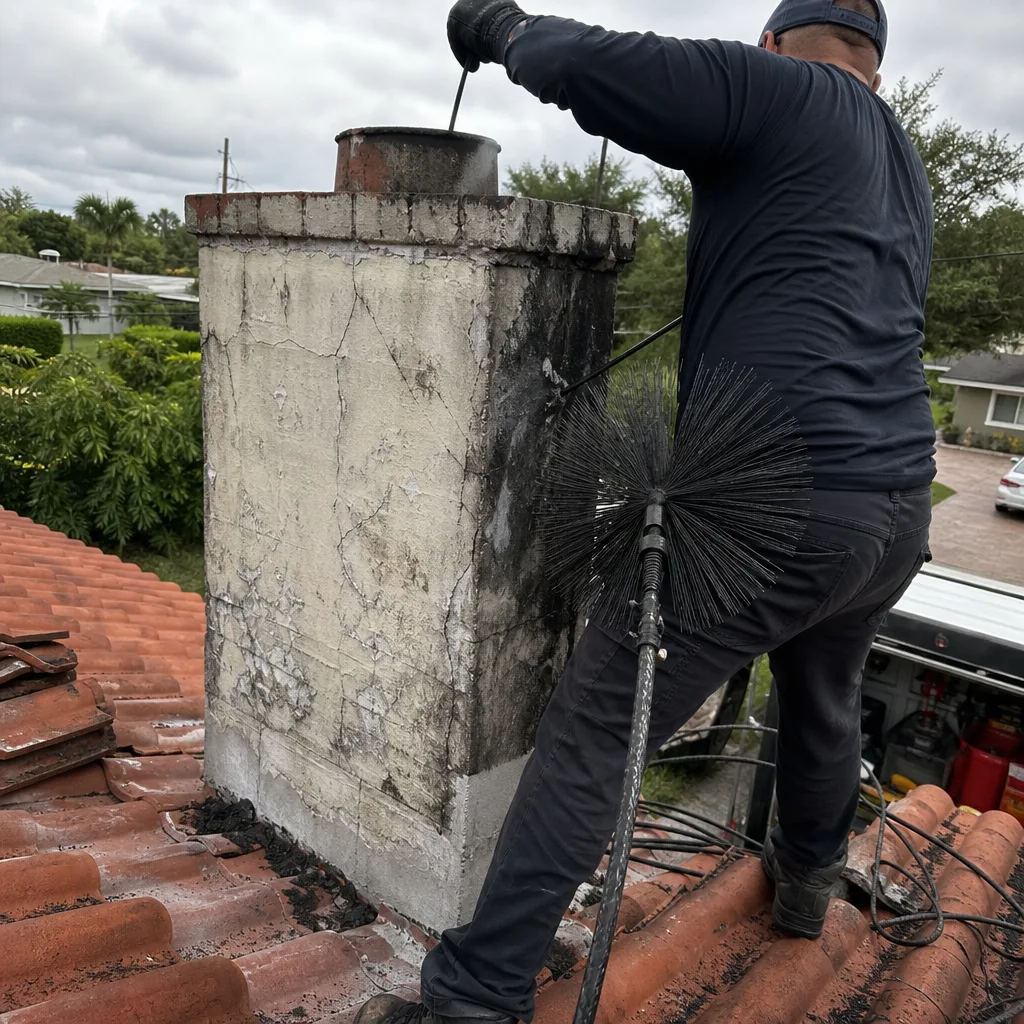 Before
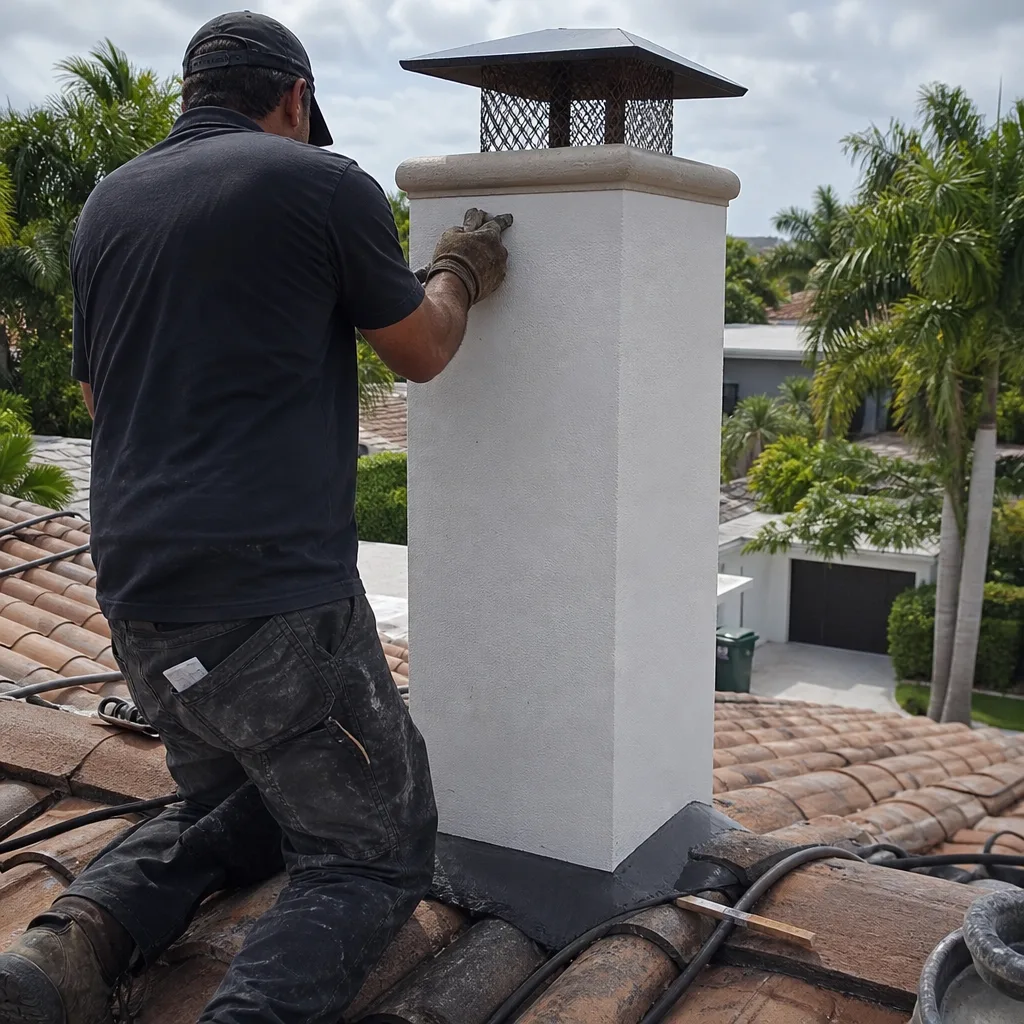 After
After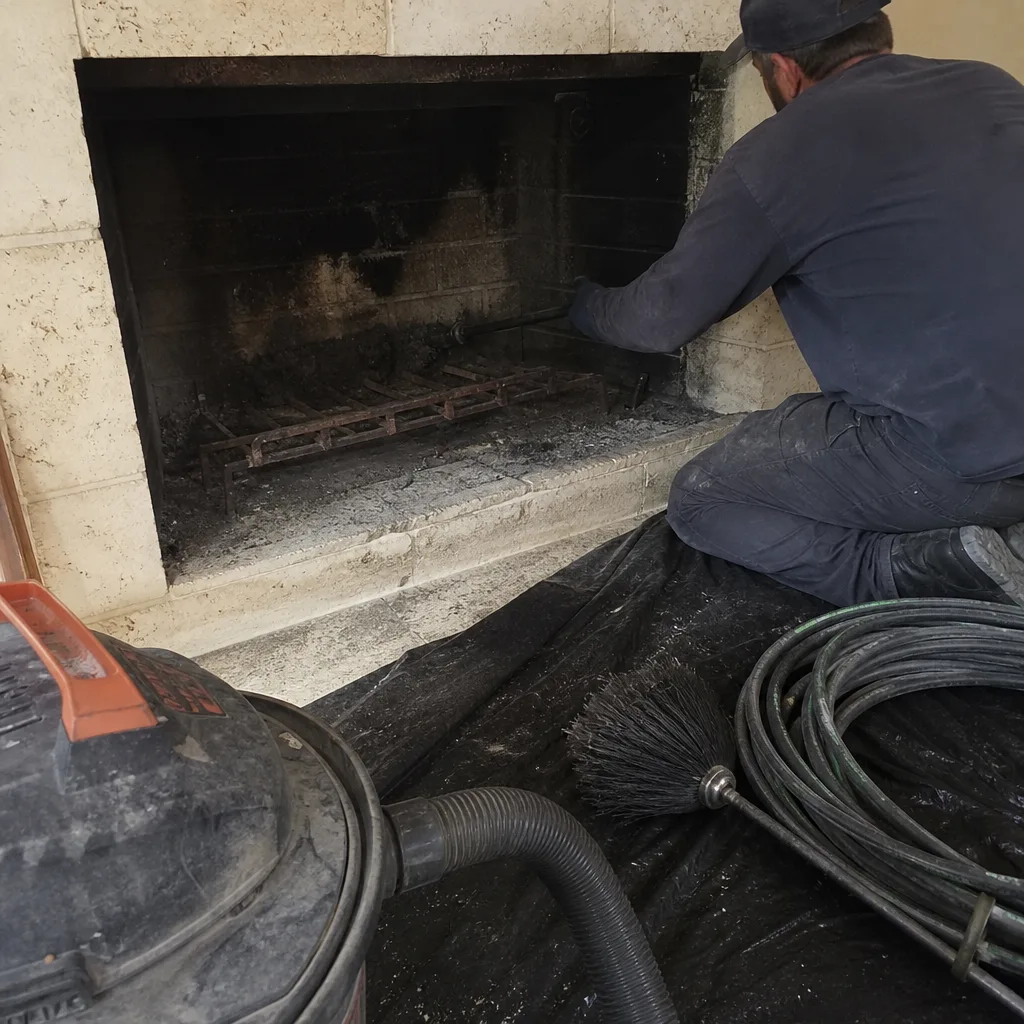 Before
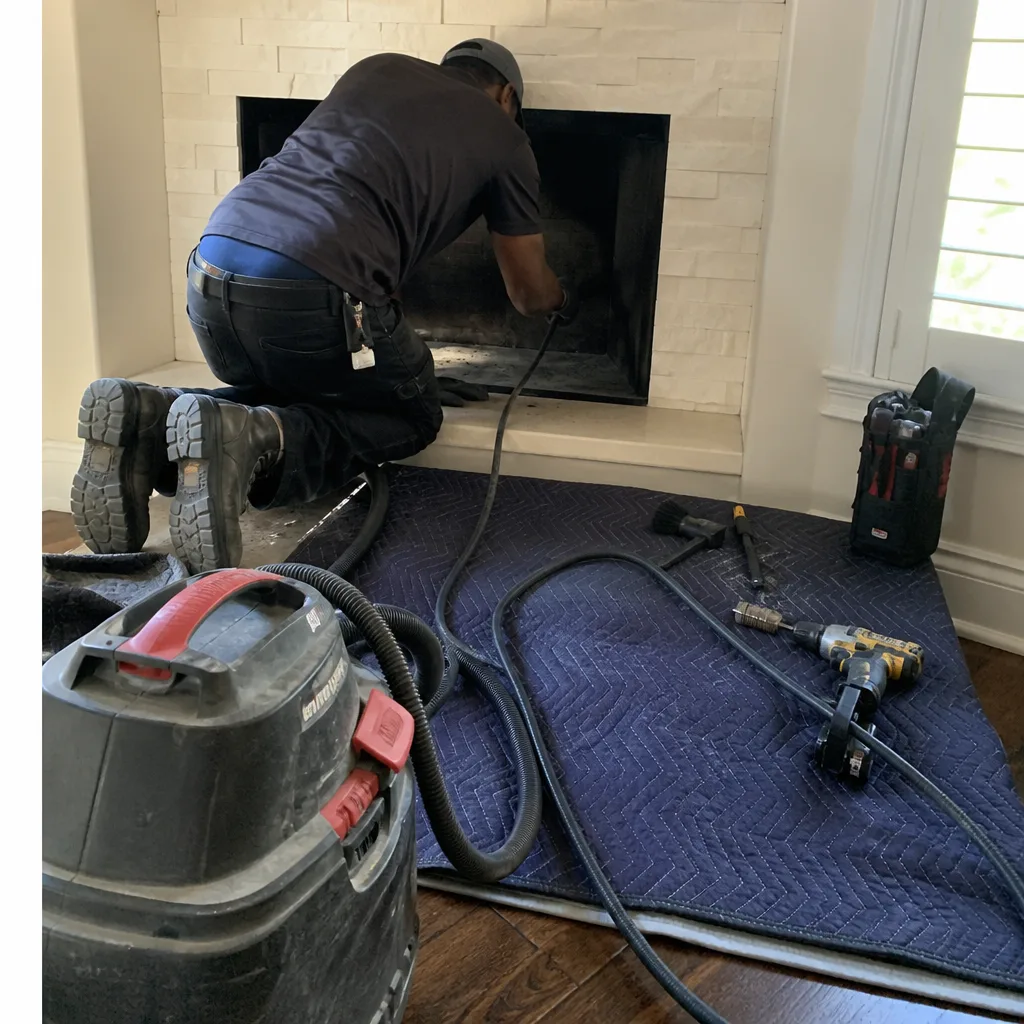 After
After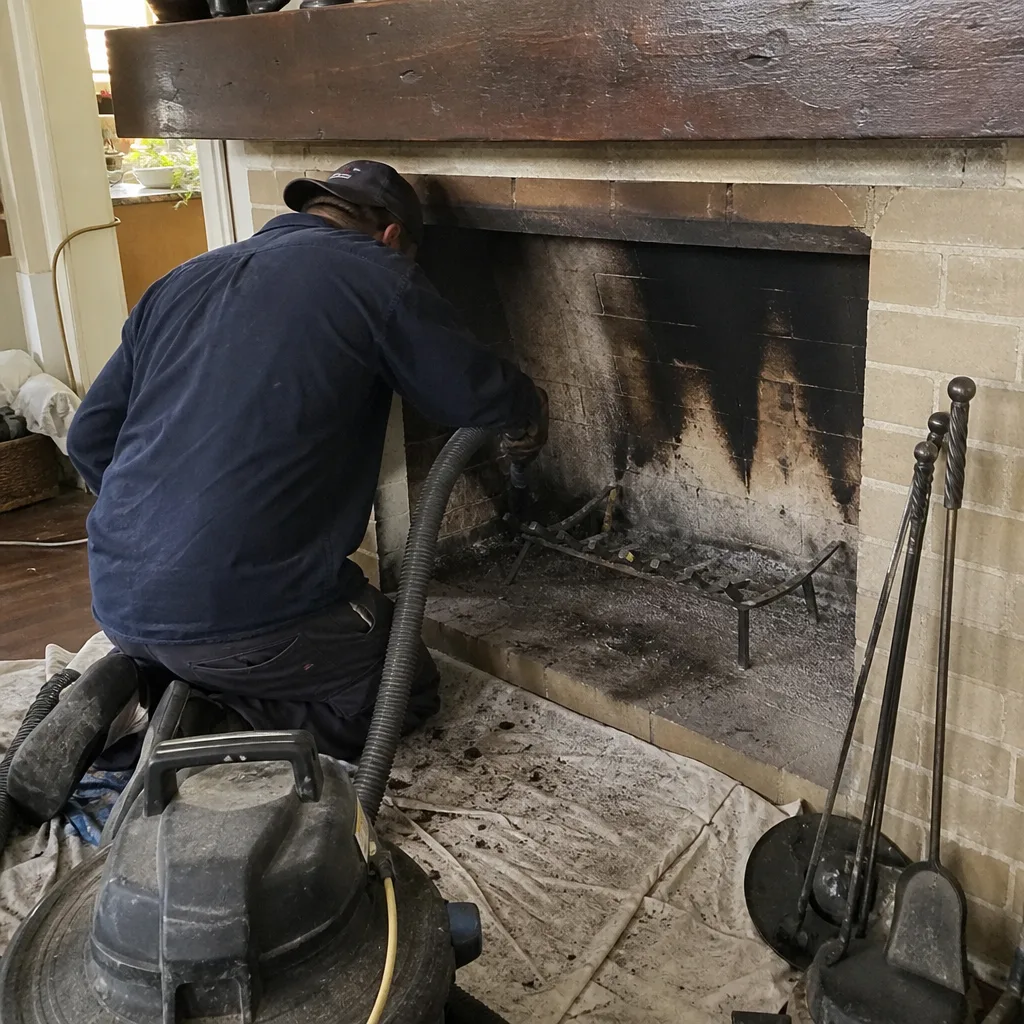 Before
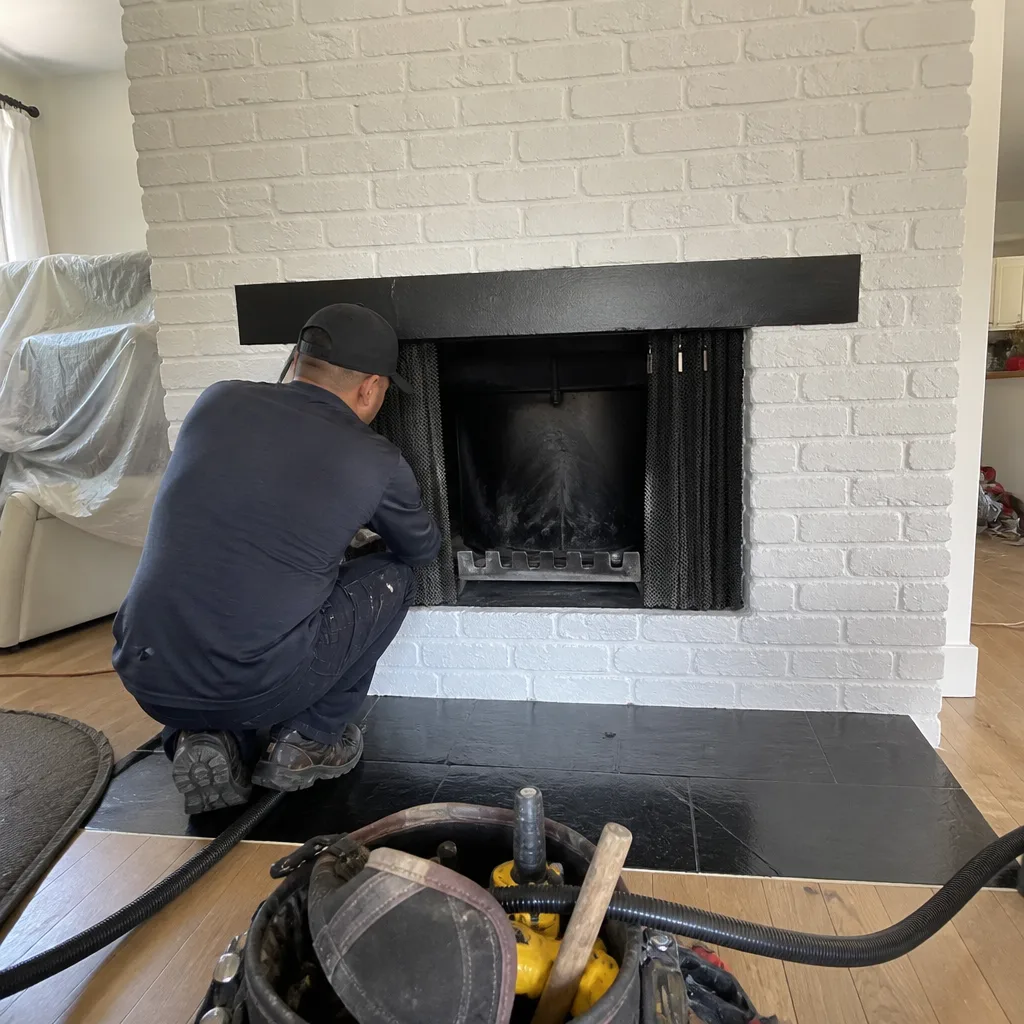 After
AfterCommon Mistakes to Avoid
- Waiting until October or November to think about the chimney. By the time the first cold front arrives, the wet season has already spent five months working on your flue, cap, and crown. The April – May window is the one that prevents November problems.
- Skipping the post-storm check. After any named storm that passes within 50 miles of Miami, do a basic visual check of the cap and flashing from the ground, or have it inspected. Small storm damage compounds into water intrusion within weeks.
- Assuming a sweep is the same as an inspection. A sweep removes soot and creosote. An inspection evaluates cap, crown, flashing, damper, firebox, and flue liner condition. In Miami, both are needed before the burning season.
- Ignoring efflorescence stains. The white chalky deposit on chimney brick is not cosmetic. It means water is moving through the masonry. Left unaddressed, the same moisture cycle causes spalling and liner damage.
- Closing an active chimney off permanently without a proper cap and seal. A chimney that is no longer used should be capped and sealed, not just ignored. An unused, unsealed chimney still lets moisture and pests into the house.
- Choosing a chimney company by price alone. The lowest bid in Miami often means a rotation brush, no camera confirmation, and no written report. A proper sweep includes before-and-after photos and a written condition report, even at the standard market price.
When to Call a Professional
Call a chimney professional when you see efflorescence or water stains on the chimney exterior or around the fireplace, when you smell a persistent musty or smoky odor from the fireplace when it is not in use, when you hear animals or birds in the chimney, after any named storm passes near Miami, or when you are preparing to light the first fire of the season and the chimney has not been inspected in over a year. If you are inside 3 miles of the coast, the inspection interval should be shorter. Flint Chimney Co Miami offers free estimates in Miami; call (786) 305-7861 to schedule, and a live person answers, day or night.
Frequently Asked Questions
In Miami, a chimney should be swept and inspected every 12 to 24 months, with the interval determined mainly by coastal proximity. Homes within 3 miles of Biscayne Bay or the Atlantic should plan on annual service because salt air accelerates cap, flashing, and damper corrosion. Interior Miami homes with light seasonal use can usually go 24 months between services. Call (786) 305-7861 if you are not sure where your home falls, and we will give you a straight recommendation based on location and chimney type, not a sales script.
A standard chimney sweep in Miami typically costs between $189 and $349, depending on flue height, accessibility, and creosote grade. Add-on services like a Level 2 camera inspection, cap replacement, or crown sealing are priced separately. We give every customer a written price before any work begins, so the invoice matches the approved number exactly.
You should never accept a liner recommendation without seeing the evidence. A legitimate relining recommendation comes from a camera inspection that shows cracks, gaps, or spalling in the existing flue liner, and you should be shown the footage, not told about it. If a company recommends a liner but cannot show you camera evidence from your specific chimney, get a second opinion. When we recommend relining, we hand you the camera report and explain exactly what it shows. If the liner is sound, we say so, and we do not recommend work that is not needed.
Skipping maintenance in Miami typically results in water intrusion through the cap, crown, or flashing that goes unnoticed during the wet season, followed by mold, masonry damage, and pest entry. The first sign is usually a smell, a water stain, or a cap that has visibly rusted through. Repairs at that stage cost more than the preventive sweep and inspection would have. The chimney will not collapse overnight, but the deterioration compounds every year.
You can, but rarely anyone wants to, and the bigger issue is what the wet season is doing to the fireplace. Keep the damper closed when the fireplace is not in use to prevent humid air from circulating through the flue. If you have not used the fireplace in months and then light a fire after the wet season, have the flue inspected first for nesting material or debris that may have accumulated.
Storm damage to the chimney structure, such as a cap torn off or flashing pulled loose, is typically covered by homeowner’s insurance in Miami. Water damage from a pre-existing cap, crown, or flashing issue is often excluded. That distinction is why pre-storm documentation matters. Photograph the chimney and fireplace before hurricane season, and keep any inspection reports showing the chimney was sound before the storm. Call (786) 305-7861 if you need a pre-season inspection report for your records.
The Bottom Line
Miami does not reward the northern chimney calendar. The right maintenance rhythm here matches the actual seasonal cycles: a pre-wet-season sweep and inspection in April or May, a post-storm check after any named storm, and a pre-use inspection before the short November-to-February burning window. Coastal homes compress that cycle to 12 – 18 months. The cost of following the Miami-specific calendar is a standard $189 – $349 sweep plus inspection once or twice a year. The cost of ignoring it shows up as water damage, mold, pest entry, and liner failure, all of which cost more. Book the pre-wet-season appointment, and the rest of the year takes care of itself. Flint Chimney Co Miami is part of the Garrison Partners family, founded in 2002, and every job comes with a written price before work begins and a written guarantee that lasts a full year. Learn more at our Flint Chimney Co Miami home page.
Written by Hank Delano, Owner at Flint Chimney Co Miami, serving Miami since 2002. Explore more guides & resources on chimney care in South Florida.