
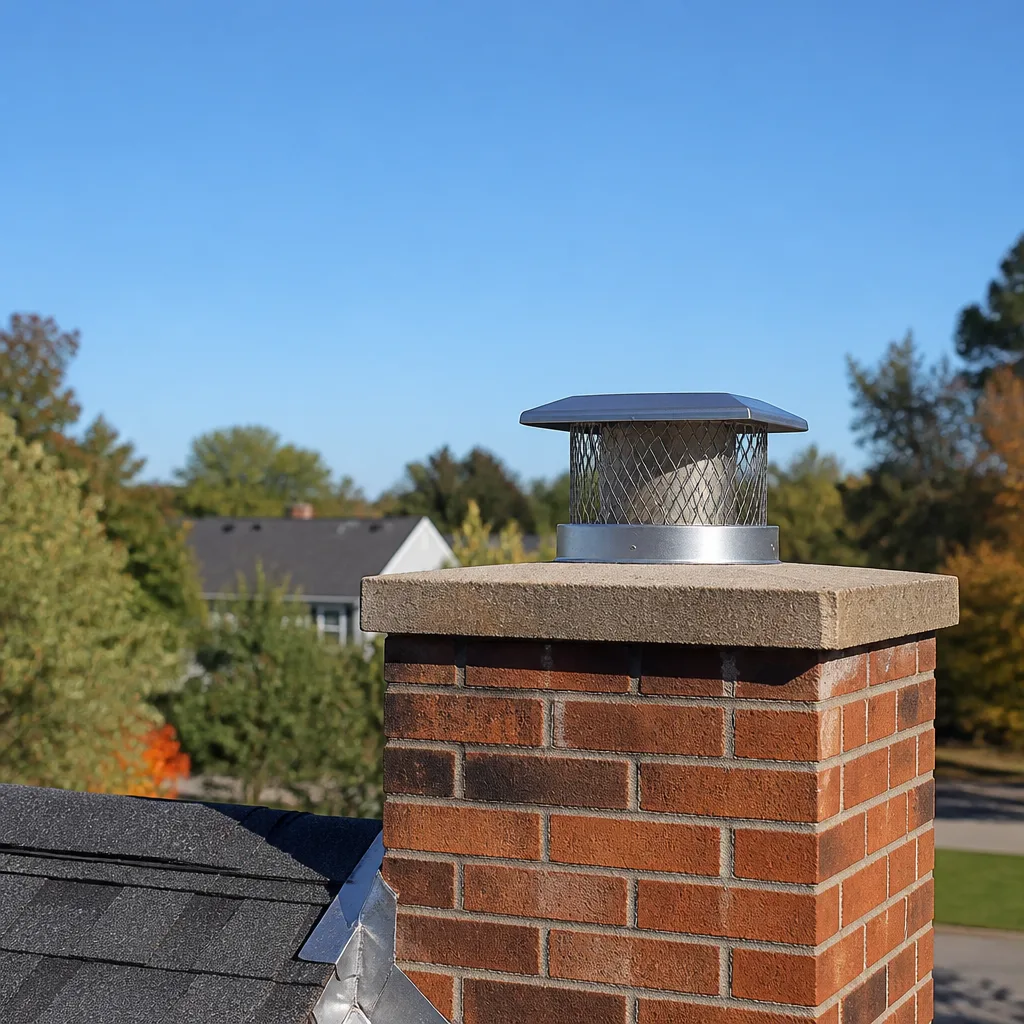
 Sweep & inspection
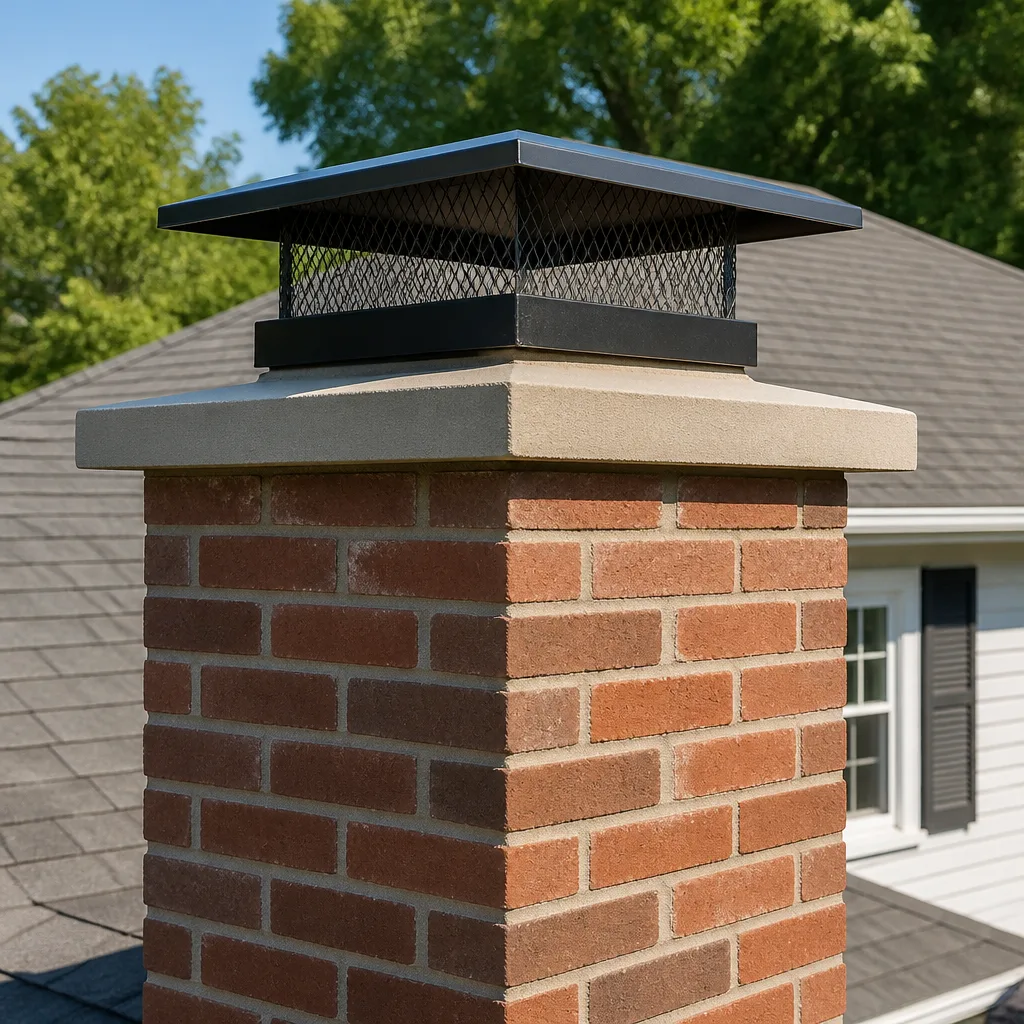 Caps & crowns
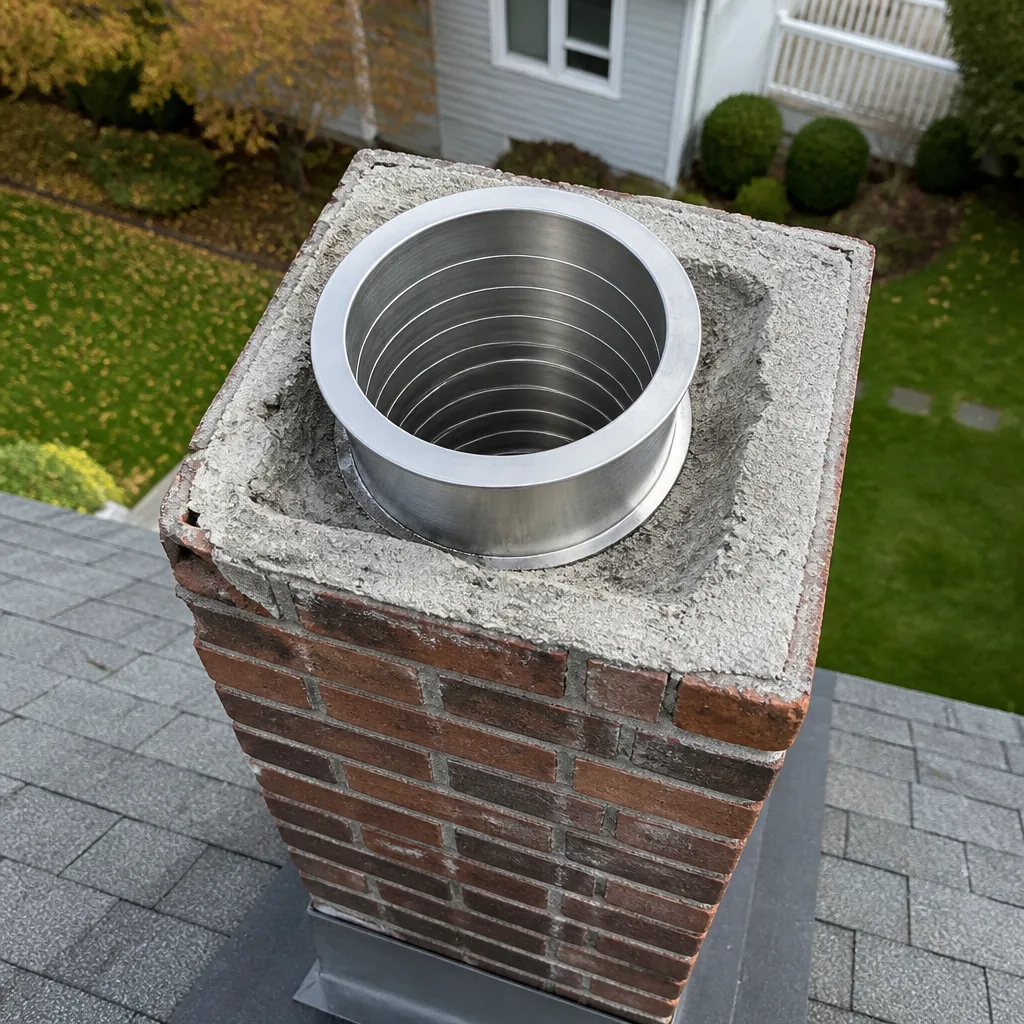 Flue relining
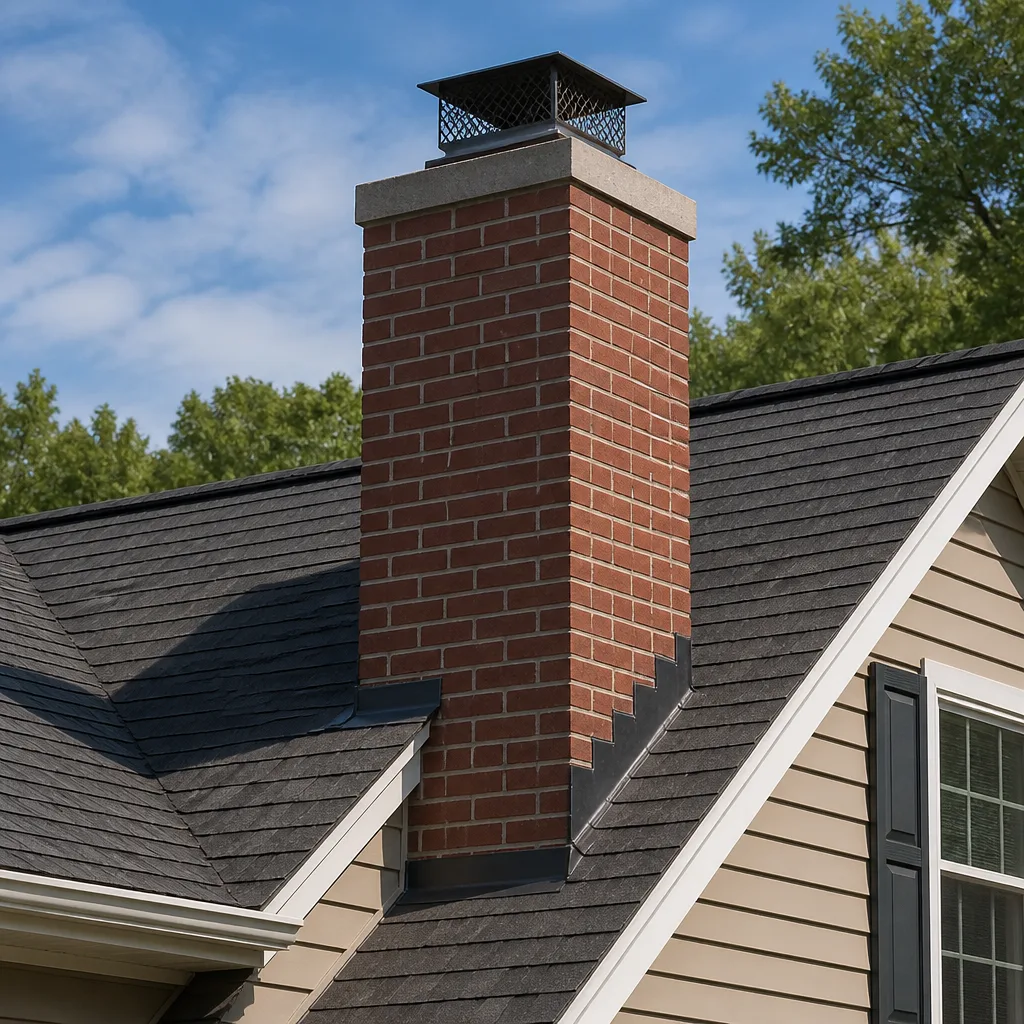 Masonry repair
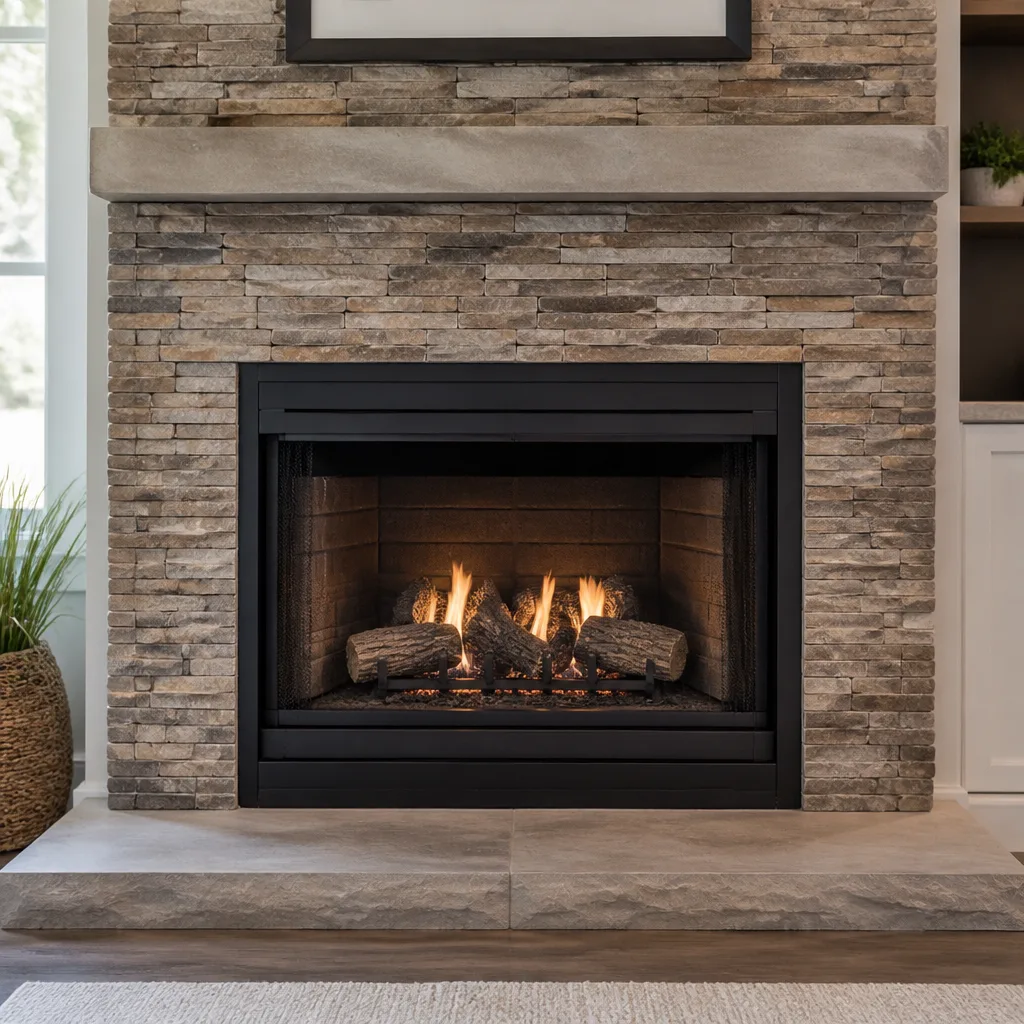 Gas fireplace service
Level 1 sweep and inspection to the NFPA 211 annual standard - flue, crown, cap, and flashing checked and photographed
Chimney sweep logs do not sweep chimneys. They loosen some creosote - which then falls where a brush and vacuum still have to collect it.
HeatShield Chimney Cap Installation: The Miami Owner’s Guide
HeatShield chimney cap installation in Miami typically runs $425 to $780 for a complete removal-and-replace job on a standard masonry flue. We stock HeatShield-compatible caps on our trucks and can usually complete the swap the same day we arrive. Most owners discover the problem after a hard rain, when water streaks the firebox walls or drips onto the hearth. Others notice it after a strong storm off Biscayne Bay, when the cap is hanging by a single bracket or has vanished entirely into the yard.
Here’s the awkward truth about chimney caps in South Florida: they fail faster here than almost anywhere else. Salt air eats galvanized hardware. Summer thunderstorms pound them sideways. And the humidity means rust never really stops working. A cap that might last twelve years in a dry climate can look rough after six in Miami. The good news is that a failed cap is one of the cheapest serious chimney repairs you’ll ever make, if you catch it before water works its way down into the flue liner and the masonry around it.
Key takeaways:
- We install HeatShield and HeatShield-compatible caps, with the full job documented before work starts
- Every installation carries our 365-Day Done Right Promise in writing
- Replacing a failed cap now is a $425 – $780 fix; rebuilding a water-damaged flue after two years of ignoring it starts around $2,800 in Miami
We’re an independent chimney service company. We’re not affiliated with HeatShield directly, but we’ve been installing and working around their products for years, and we know what fits what.
Which HeatShield Models This Applies To
HeatShield chimney caps come sized by flue tile outside dimension, not by fireplace model. So the question isn’t really “which HeatShield model do I have” as much as “what size is my flue tile, and which cap does HeatShield make for that size.” Here’s what that looks like in practice.
Standard residential flue tiles in Miami homes run 8″×8″, 8″×13″, or 13″×13″ outside dimension. HeatShield caps are built to those tile dimensions with a skirt that slides over the tile and gets secured with bolts. If your existing cap is a HeatShield, there’s usually a stamped label on the underside of the cap or on the skirt. But here’s the compatibility gotcha we run into constantly: the cap size is not the flue size. The cap is always slightly larger on the inside than the tile is on the outside. So if you measure your flue tile and get 13 inches, you don’t order a 13-inch cap. You need the cap made to fit over a 13-inch tile, which is a different number.
The second gotcha, and this one’s Miami-specific: salt corrosion. Older HeatShield caps with standard stainless hardware hold up fine. But if somebody installed one with galvanized or zinc hardware, the bolts swell and seize against the cap skirt. We’ve had to cut these off with an angle grinder more times than I can count. When we replace a HeatShield cap, we upgrade the hardware to stainless steel rated for coastal exposure. It costs a few dollars more and it’s the difference between a cap you replace in six years and one you’ll probably never touch again.
For HeatShield specifically, we install genuine HeatShield caps when the customer asks for them. We also stock quality aftermarket equivalents from Gelco that are built to the same flue tile dimensions. The aftermarket Gelco caps run $40 – $70 less per unit and carry the same fitment for standard tile sizes. Tell me what you saw, I’ll tell you what it costs.
Styles & brands we work with
Signs Your HeatShield Chimney Cap Installation Is Failing
- Water on the hearth or inside the firebox after rain. This is the clearest signal. A cap that’s doing its job keeps rain from ever reaching the firebox. Water staining on the brick or damper means the cap has a gap, a rust hole, or is missing entirely.
- Rust streaks running down the exterior chimney chase or masonry. When a cap’s skirt or hardware starts corroding, rust bleeds down the flue exterior and stains the brick. In Miami humidity, this happens quickly once the protective coating goes. The rust itself isn’t dangerous, but it means the cap’s structural metal is thinning.
- The cap is loose, rattling, or no longer sitting square on the flue. Storm wind off the Atlantic gets under the skirt and works the cap side to side. Over time the bolts loosen. A cap that shifts when you look at it is a cap that’s about to become a projectile in the next named storm.
- You can see daylight through rust holes from inside the firebox looking up. If you open the damper and can see pinpoints of light through the cap mesh or metal, water is getting through, and so are embers. Rust holes don’t heal themselves.
- Birds, bats, or nests inside the flue. This means the cap’s mesh screening has failed or the cap is missing. Miami’s roof rat population moves into an uncapped flue fast.
One more thing to know: some of these symptoms overlap with flue liner problems. If you have water in the firebox and the cap looks intact, the issue may be higher up the flue or in the liner joints. We diagnose this during the replacement visit and we’ll tell you straight if the cap swap alone will solve it or if there’s a second issue to address.
See the difference
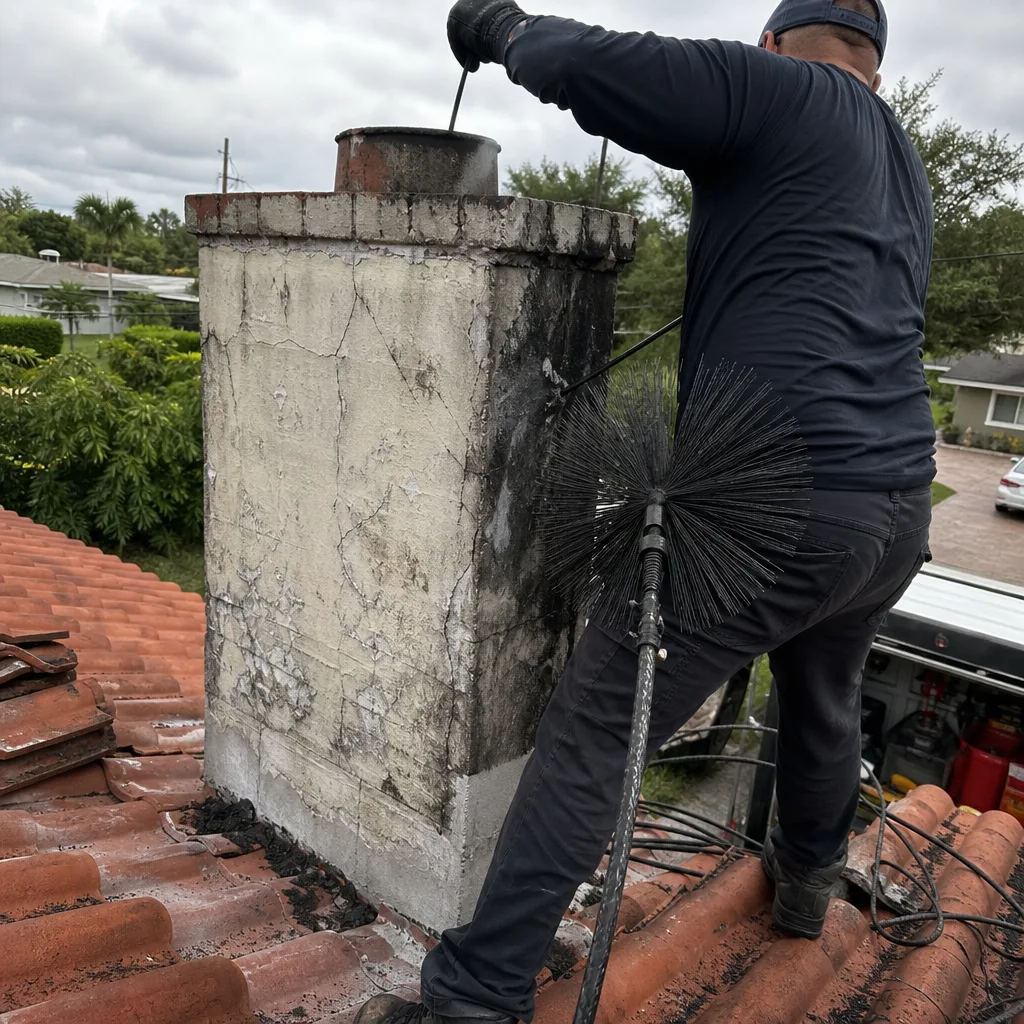 Before
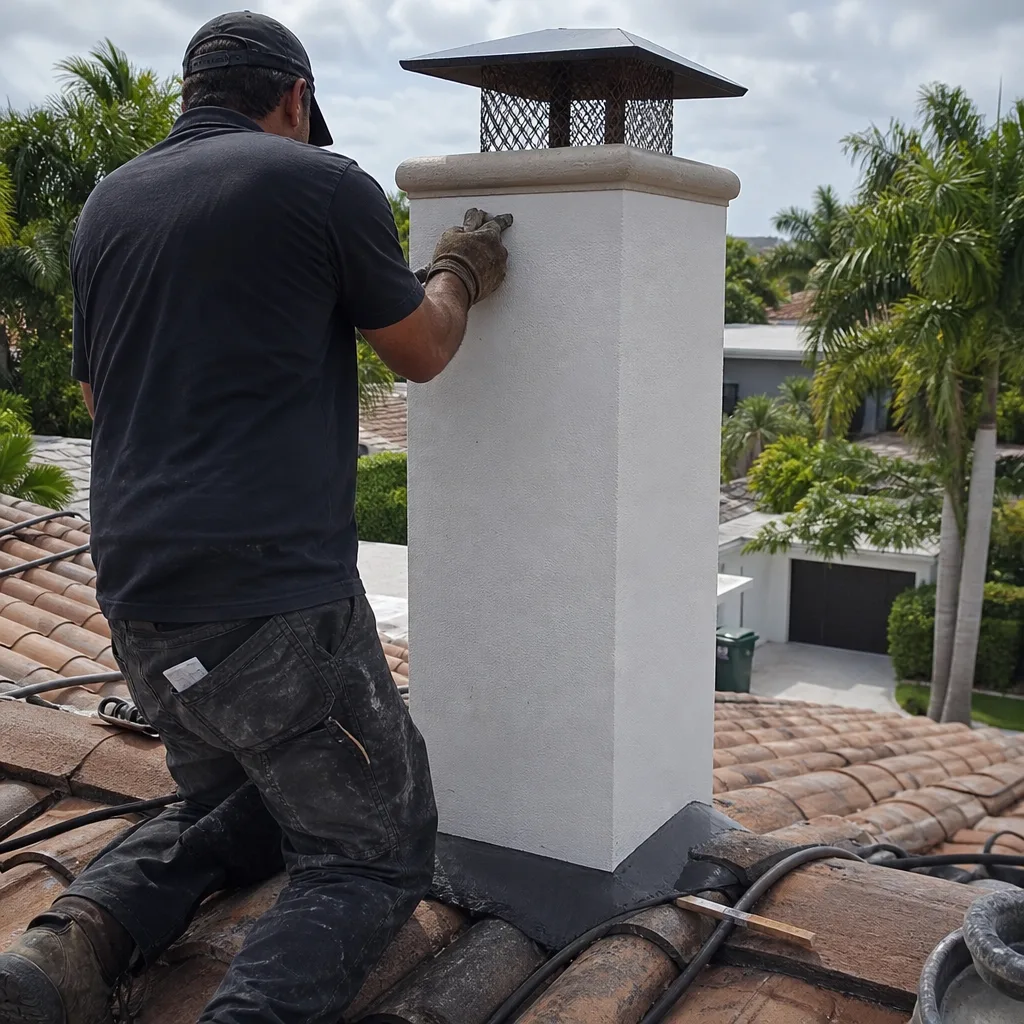 After
After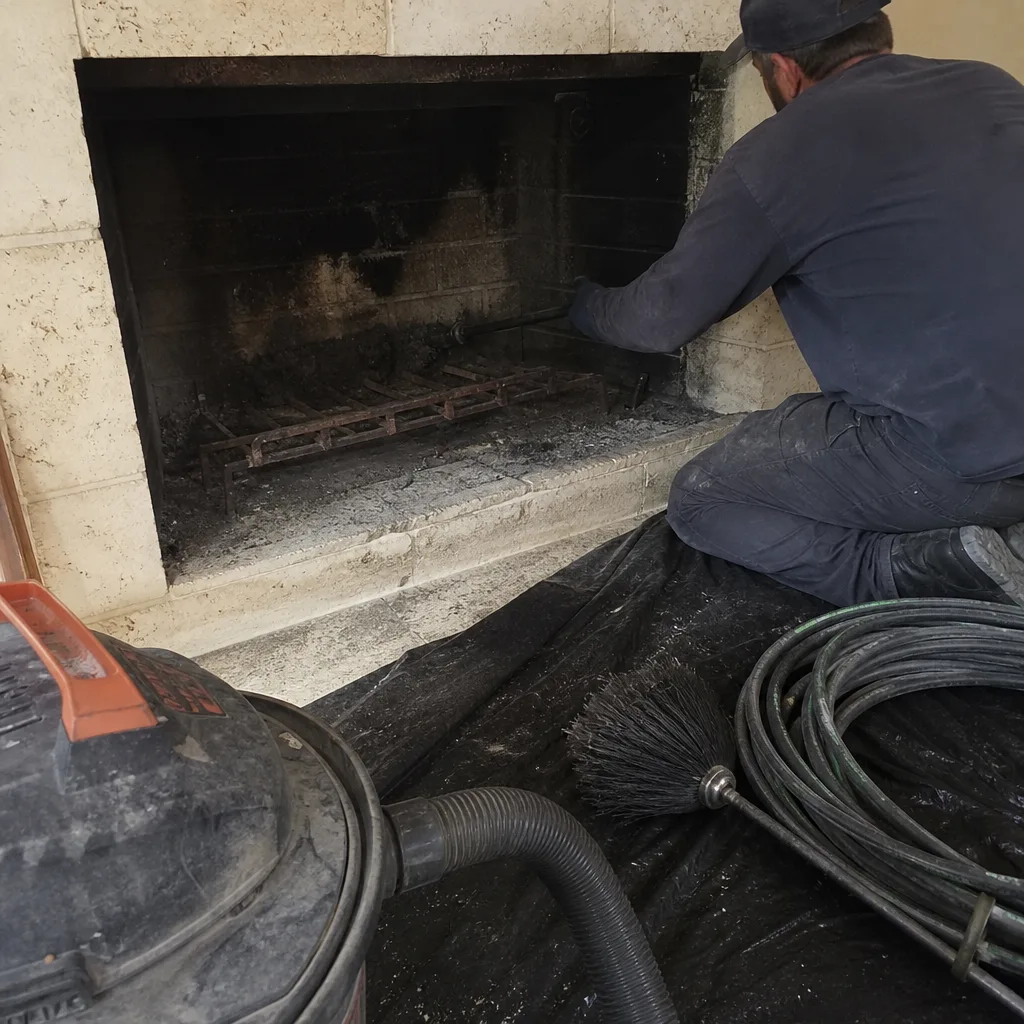 Before
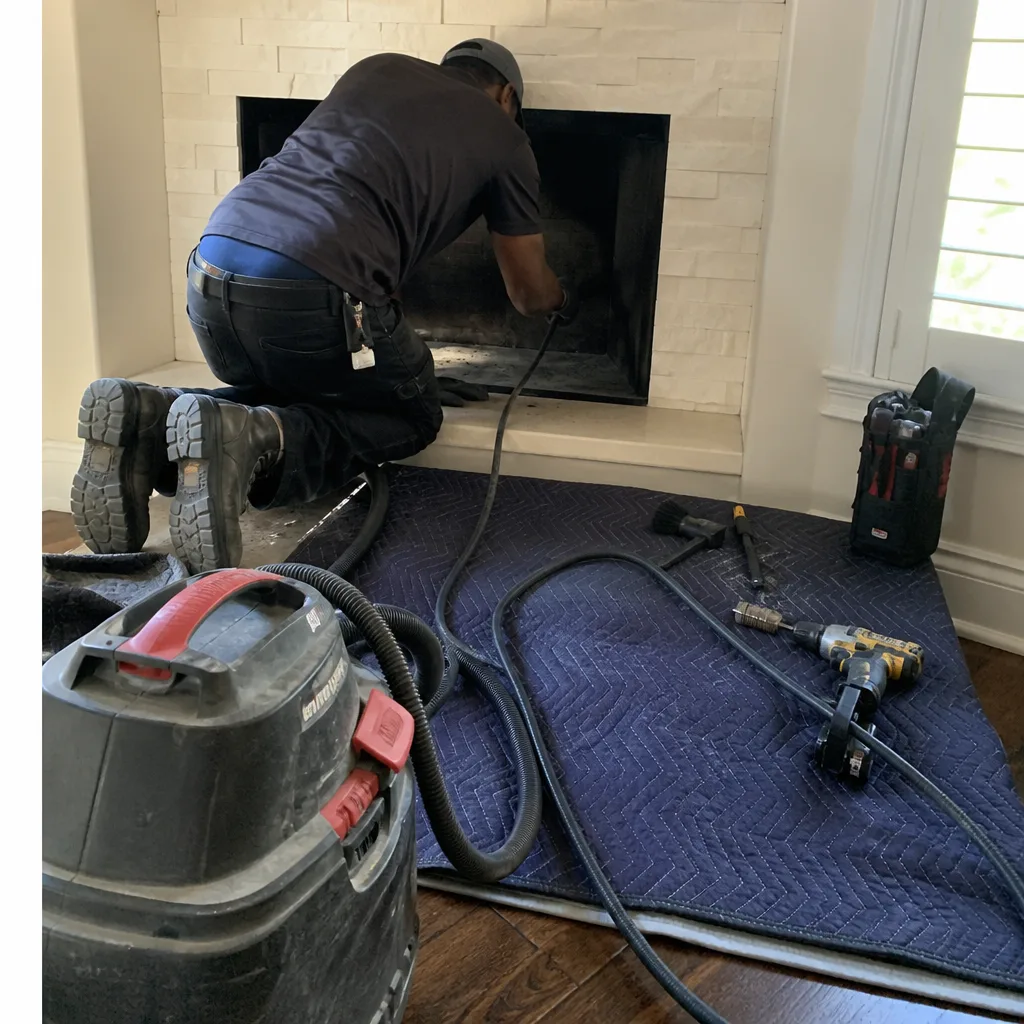 After
After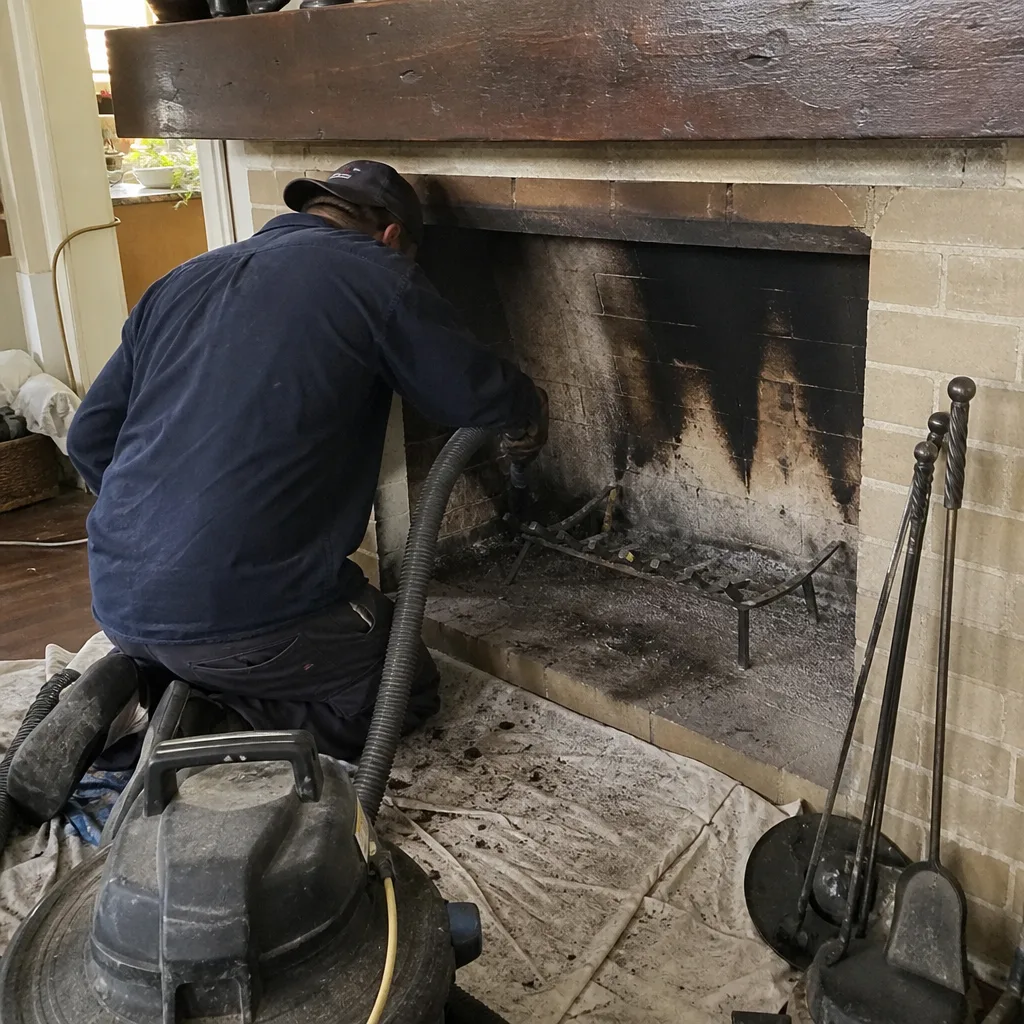 Before
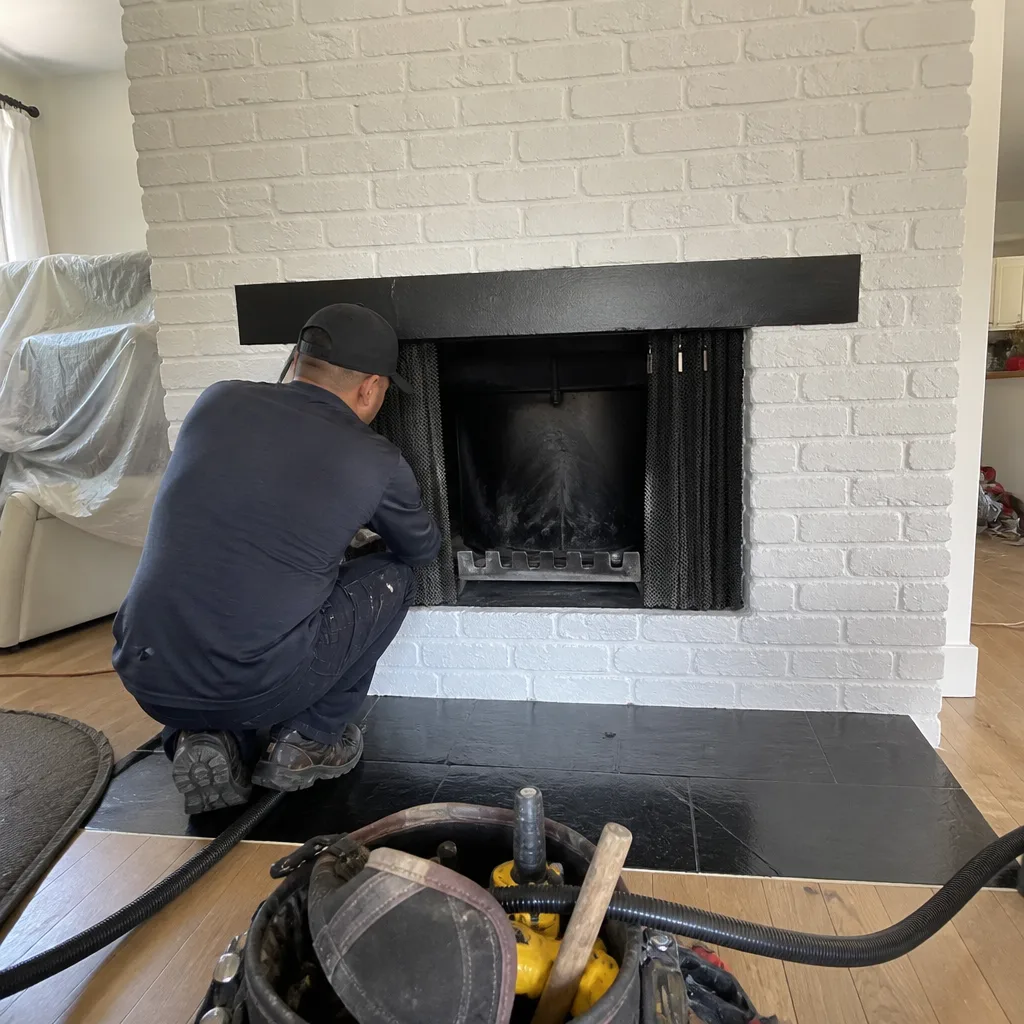 After
AfterReplacement Cost & What’s Included
HeatShield chimney cap installation in Miami runs $425 to $780, all-in with labor, parts, and the written guarantee. Here’s how that breaks down.
- Cap unit (HeatShield or Gelco equivalent): $120 – $340, depending on flue tile size and whether we use single-flue or multi-flue cap
- Labor, including removing the failed cap and corroded hardware: $180 – $280
- Stainless steel mounting hardware and sealant: $40 – $75
- Rooftop access setup and basic debris cleanup: included in labor
What drives the price range: how tall the chimney is, whether it’s a steep tile roof or a walkable flat roof, whether we have to grind out seized bolts from an old rusted cap, and whether you have one flue or multiple. Each of those is a real cost variable. The price we quote is the price you pay. It’s in writing before we touch the roof.
Every cap installation carries our 365-Day Done Right Promise. If the cap, the hardware, or the installation fails within one full year from the service date, we return and fix it at no charge. No argument, no re-quote. That’s the Garrison Standard, and it applies to every job we do in Miami, from Coral Gables to Brickell.
DIY or Call Us?
We’ll be direct: installing a chimney cap means working on a roof, usually at height, often on a slope. That’s a fall risk. We don’t recommend it as a weekend project. Here’s what’s reasonable to check on your own.
From the ground, use binoculars to inspect the cap. Is it sitting square? Is there rust bleed? Is hardware visibly loose? From inside the firebox, shine a flashlight up and look for light through rust holes or gaps. Those checks are free and they’ll tell us what we’re walking into. What we don’t recommend: getting on a ladder with a drill, trying to free seized bolts on a roof, or attempting to reseat a storm-loose cap. The risk isn’t worth it, and if the cap goes off the roof in the middle of the job, it’s coming down on a car or a person. This is one of those times to call us at (786) 305-7861 and let a trained tech with a harness and the right hardware handle it.
FAQs
In Miami’s salt air and humidity, a HeatShield cap with standard hardware typically lasts six to ten years before it needs real attention. With the stainless hardware upgrade we install as standard on replacements, that extends to twelve years or more. The cap body is decent metal. It’s usually the fasteners that fail first.
Sometimes. If the only problem is loosened bolts and the cap body is still solid, we can resecure it with stainless hardware for $125 – $220, depending on access. But if there’s rust through the metal, bent skirts, or failed mesh, the repair won’t last and we’ll tell you that plainly. Replacing a $340 part that lasts twelve years is cheaper than re-repairing every two seasons. Call (786) 305-7861 and we’ll give you a straight answer on which path applies to your cap.
Most HeatShield chimney cap replacements take 45 to 90 minutes from the time we’re on the roof. The longer cases are the ones with seized bolts or multi-flue configurations. We usually complete the full job, including cleanup and before/after photos, inside two hours.
We carry HeatShield caps for standard 8″×8″, 8″×13″, and 13″×13″ flue tiles on every truck, plus Gelco equivalents if you want to save a little on the part. If you have an unusual tile size, we’ll measure, order, and be back within the week, and we’ll document the delay in writing. But for most Miami homes, we have the right cap on hand the day we arrive.
Written by Hank Delano, Owner, Flint Chimney Co Miami at Flint Chimney Co Miami, serving Miami and nearby areas.